
Welcome back to what used to be my seasonal Retro Arcadia Gaming Pickups feature, but with my Weekly Spotlights recently hitting #250 and the existing format bowing out, it seemed like the right time to tidy things up elsewhere too. From here on, the new releases I’d normally cover in those Sunday Spotlights will get their own standalone Spotlight Reviews, while all the older bits and pieces I’ve picked up over the last three months will exclusively live here instead, in these newly named Retro Haul Review Drops. Same old games and systems, same coverage, same long rambles, same questionable spending habits though – just a clearer home for everything! And with that explained, let’s get into what I’ve been buying (and playing!) in this summer’s all-new Retro Haul…
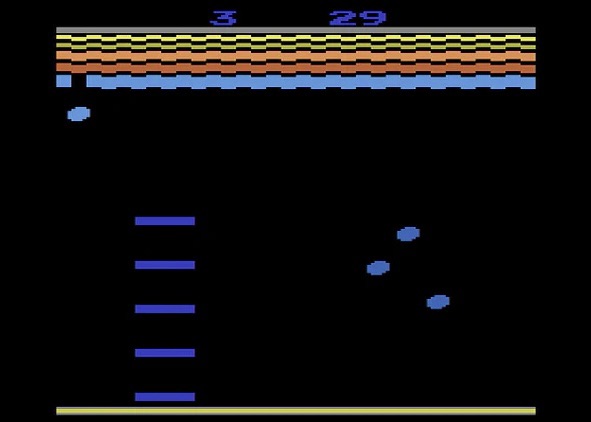
I’m going to start with one of several games I was kindly given for my birthday in May that just missed out on being included here last time, and it’s Avalanche for the Atari 2600+ (primarily), a modern port of Atari’s 1978 arcade game, built around John Champeau’s highly respected homebrew version and officially released in a traditional big-boxed, backwards-compatible cartridge format in 2025. Despite the (only-slightly) simplified presentation, it keeps the original’s twist on the Breakout concept intact, with you trying to prevent rows of falling rocks reaching the bottom of the screen (where your scientific research station is apparently situated) by catching them on your stack of shields (what it says!), which decrease in number the more rows you clear. You’ve got a bunch of in‑game variations and four difficulty levels too, but it’s all instantly familiar if you know the arcade game and wonderfully simple if you don’t, although I reckon the paddle controller implementation could do with being smoother and more precise, even if your fingers do learn to compensate. Apart from that, it’s a bit flickery, as you’d expect, and the sounds couldn’t be more, er, authentic, but it eventually hits its stupidly addictive stride, and also fills a weird historical gap in the system’s library pretty nicely, so if you’re a fan of the arcade game like I am, it’s probably the conversion you always wanted. Oh yeah, check out the cool box art in that pic just up at the top of the page too! And credit to Atari for the one here, which does their game far more justice than a crappy photo of my TV screen would have!
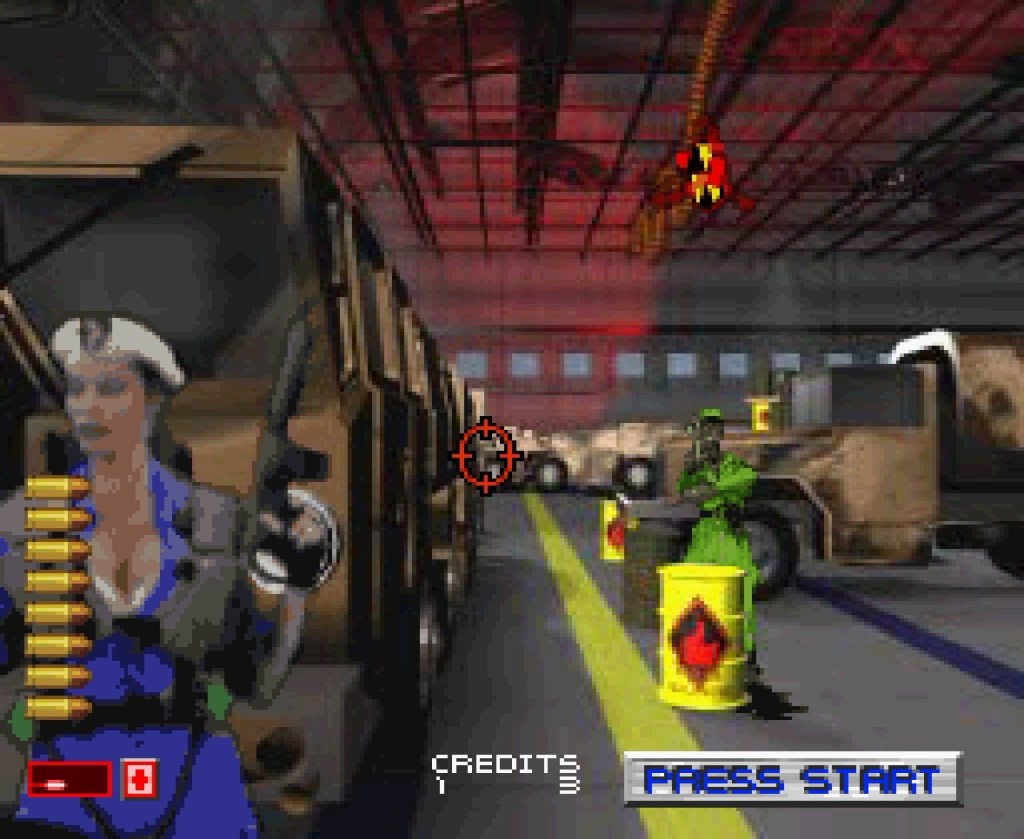
I’ll come back to the rest of my birthday booty later, but I think I’ll go with the first of a couple of original PlayStation games I’ve picked up next, starting with Area 51. Much like Time Crisis on there last time, this is a rail shooter that would be far better served by a light-gun controller, but what are you going to do nowadays? And it’s not like I haven’t been happily playing things these all wrong since Operation Wolf with a Kempston joystick on the ZX Spectrum anyway! This was originally an Atari arcade game from 1995 that got ported to PS1 (and Saturn) a year later, dropping you into the titular top‑secret military base that’s been overrun by aliens, zombies and other nasty stuff you need to blast your way through as part of a last‑ditch clean‑up operation. Or something like that! It’s obviously missing the spectacle of the arcade machine but it’s still a master-class in bad b-movie FMV in its own right, with some of the hammiest “acting” you’ve ever seen, and the digitised enemies and special effects are like nothing you’ve seen since! It’s six stages of mid-nineties nonsense at its finest, complete with unnecessary cleavage and a proper straight-to-video soundtrack too, and okay, it would undoubtedly play better with a Konami Justifier, but a regular controller is actually less of a compromise than I expected – the reticle moves smoothly, predictably and fast enough to keep up with what’s not the most frantic of these games in the most part. I’ve always found it loads of fun for all the reasons above though, and I’m glad to now have a copy of my own!
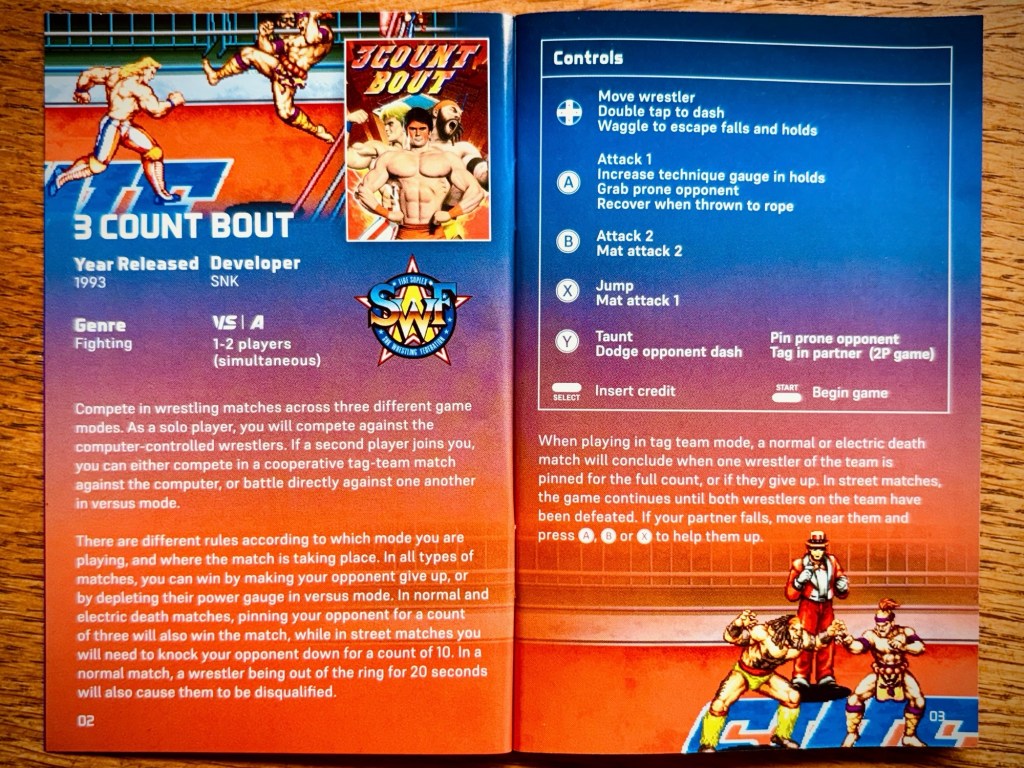
We’ll now look at the first of a couple of new Evercade cartridge reviews with NEOGEO Arcade 4, the next in what’s been a very welcome flurry of these over the past year or so. I wouldn’t argue if you said any of the three previous collections was the best cartridge available on Evercade either, and the same goes for the dedicated Super Pocket handheld with a whole bunch of other titles on top! We were still missing one game for me though… And here it finally is on the new NEOGEO Arcade 4 collection! Not only that, but what are probably my second and third favourite NEOGEO games are here too, so I take it back – I’m already arguing this is the best before we’ve even looked at it! We will go through each of the eight games included in a minute, but first let’s look at the overall package. As usual, an actual cartridge in an actual box with an actual manual inside, filled with game histories, trivia, instructions and a few tips (and fighting moves!) to boot. Once you fire it up, you’re also getting typically slick, sortable on-screen game-select menus, quick saves and loads, game info screens and brief instructions. Should mention support for two players where applicable too, providing you’re on an Evercade VS attached to your TV or one of the Alpha cabs, rather than one of their handhelds. And some games will also offer some extra modes or difficulty settings if you switch from arcade (MVS) to console (AES). And you might welcome the latter for some of these…
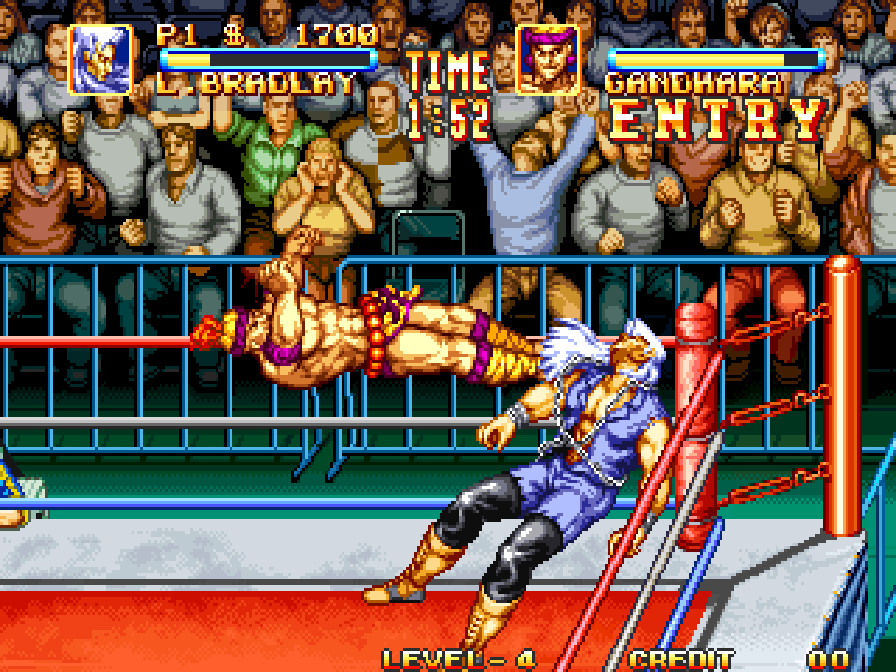

Games then, and the first thing to mention is that as well as two more of them on here than the six on each of the previous collections, there’s a bit more variety about this one too, with a more balanced mix of fighters, shooters, sports and oddities that only SNK could have thrown together for this marvellous machine! However, I should also mention that two of them, Blazing star and Fatal Fury Special, are both on the NEOGEO Super Pocket handheld as well. Right, let’s have a brief look at everything included, and we’ll go alphanumerical because first up is 3 Count Bout from 1993, an in-your-face and joyfully ridiculous wrestling game that actually plays like a more accessible SNK fighter rather than it does WWF No Mercy… Well, once grappling with a d-pad clicks, although that applies to most of the stuff here. Huge, sweaty sprites, bonkers special moves and typically raucous early-nineties sound effects more than make up for any lack of depth, and if you can go at it two-player even better. What a start, and it doesn’t stop there because next is both my favourite game on the system and my favourite baseball game ever (see my top ten here for more) – it’s 1992’s Baseball Stars 2! This is early nineties arcade sports at its finest, all about big hits, big animations and even bigger reactions from the crowd, with those wonderfully exaggerated batting poses and explosive home‑run cutaways that fill the screen with colour and energy every time. The wacky sound effects and triumphant musical cues keep everything bouncing along in-between, and it’s impossible not to get swept up in its momentum.
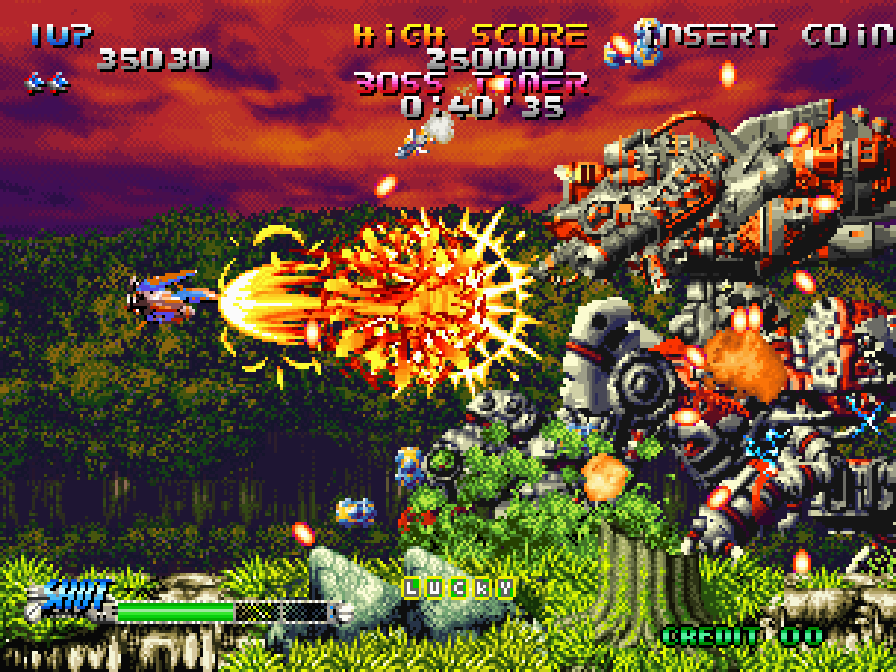
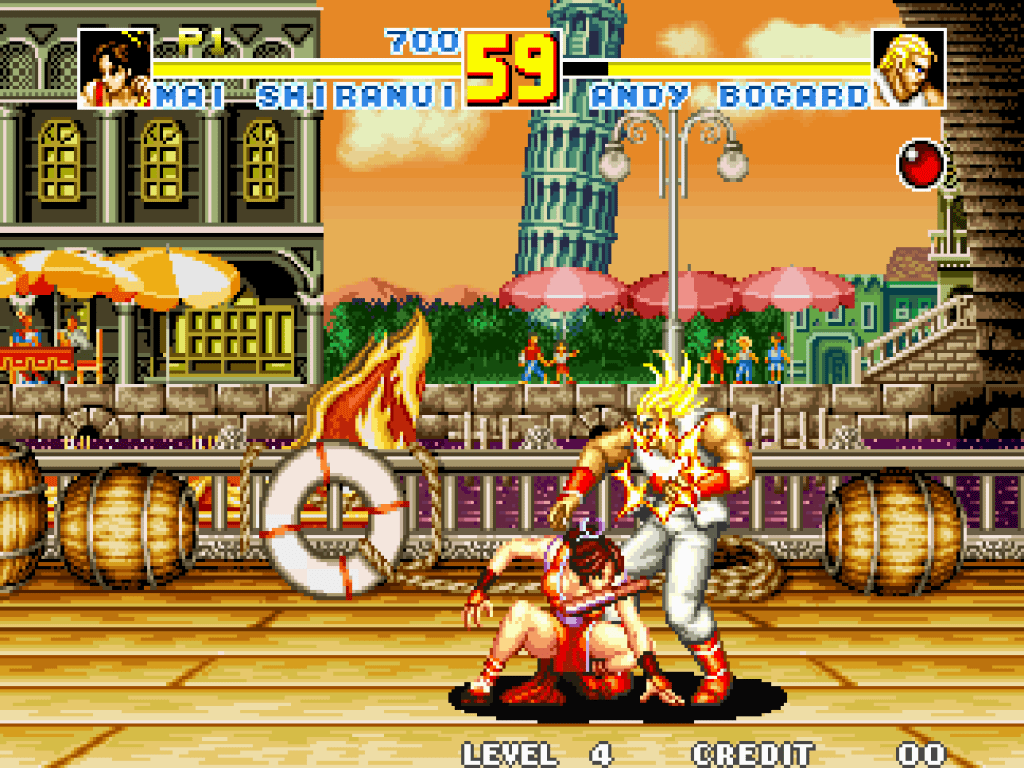
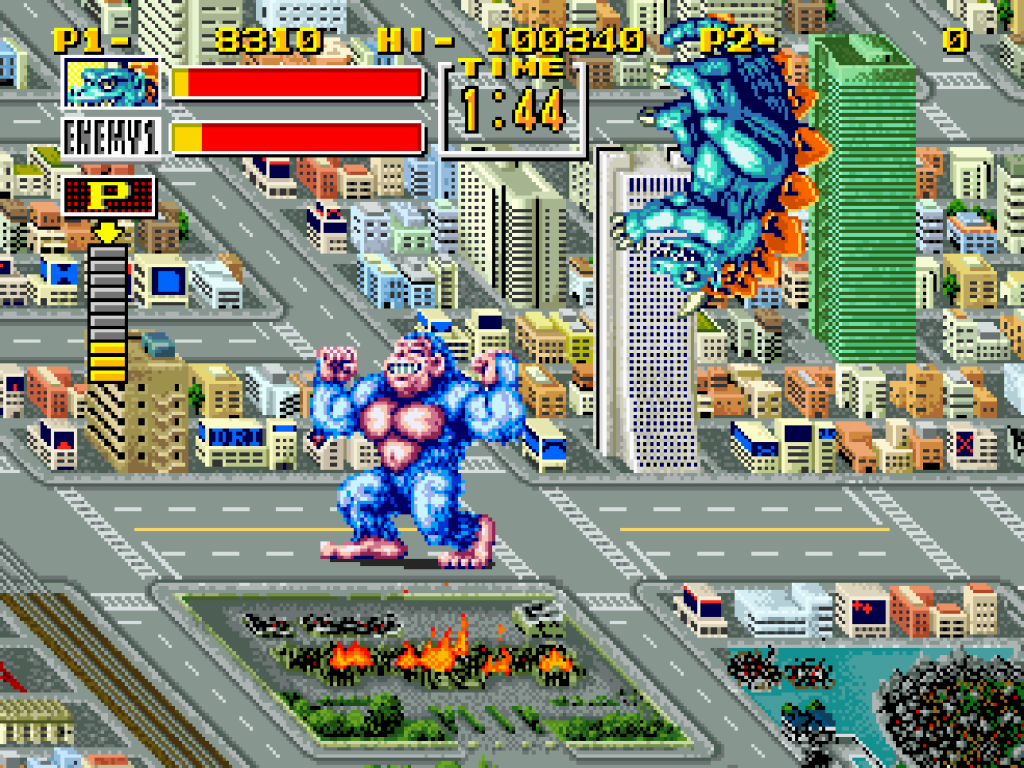
Completing my top three NEOGEO games ever – as well as the video game equivalent of Prince’s 1999 album for the strength of its opening – is Blazing Star from the year before then, still one of the most spectacular horizontal shooters ever created! This oozes SNK, with dazzling pre‑rendered backgrounds, absurdly detailed ships, and a constant barrage of explosions and particle effects. The slightly off-kilter sound design pushes the pace even harder, and the scoring is deep but accessible and totally one more go! And then there was 1993’s Fatal Fury Special, undoubtedly a polished and masterfully put together one-on-one fighter that’s full of energy if not so much full of spectacle, but as great as it mostly sounds on paper, it’s just too unforgiving and doesn’t give enough back quick enough for me to have ever wanted to invest the time to do anything about it. I’m sure loads of people love it though, so your own mileage may vary. King of the Monsters from 1991 is more my thing – a completely bonkers kaiju wrestling brawler where you stomp around cities as giant monsters, bouncing off the power lines and suplexing each other through skyscrapers. The oversized b-movie sprites and their slapstick destruction of these vibrant, living environments are great. Yeah, it’s a bit clunky and totally chaotic, but that’s the fun – all fur coat and no knickers, and brilliantly so!
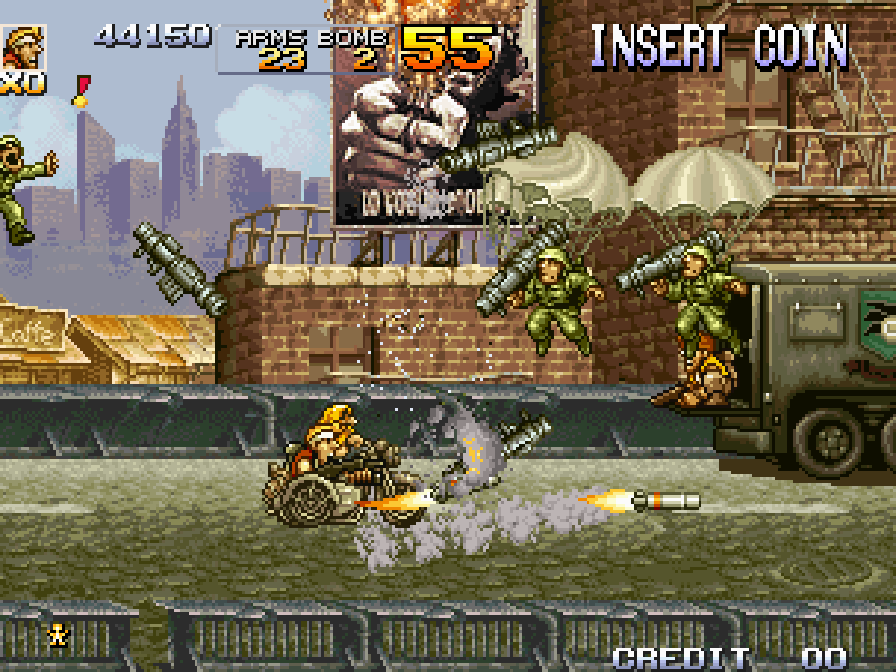
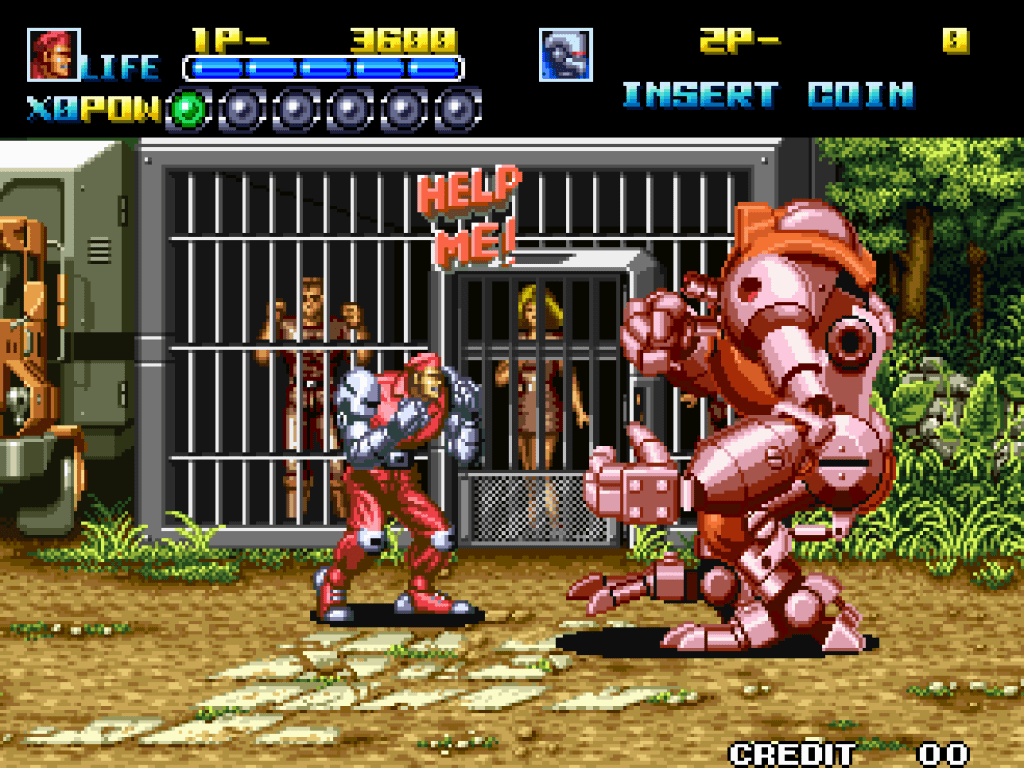
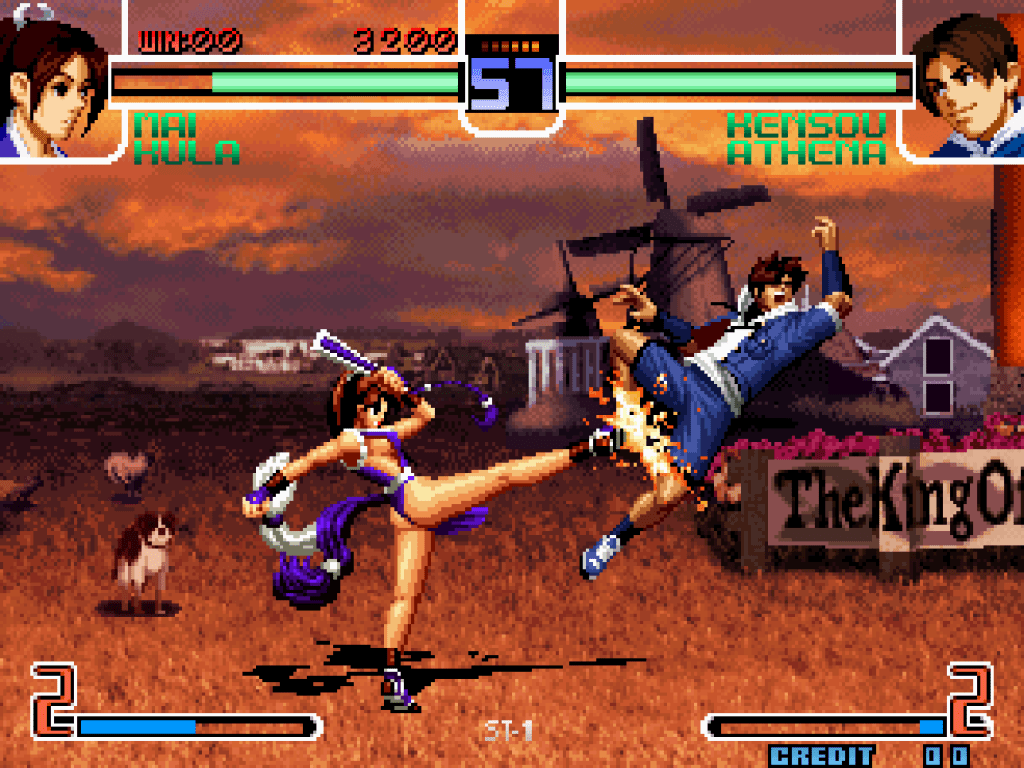
Metal Slug 4 is by no means the genre-defining run and gun series’ peak, but I challenge anyone not to have the time of their lives with this entry from 2002! All the usual Metal Slug hallmarks are there regardless, with gorgeous pixel art, frantic animation and that unmistakable mix of explosions, screams and brass‑heavy music. It doesn’t quite have the groundbreaking flair and outrageous invention of its predecessors or X, but the new weapons and combos add a hint of freshness, and even a “lesser” Metal Slug is still better than most games, run and gun or otherwise! Now here’s a nice curveball! Robo Army is an almost deliberately stiff 1991 NEOGEO beat ’em up where you punch, kick and transform your way through waves of robotic enemies in a grimy, industrial future. The heavy, metallic clanks and sparks give it real impact, and the straight-to-VHS sci-fi presentation and occasional power‑ups keep it going. Not exactly essential, but definitely enjoyable! I’m no expert but for me The King of Fighters 2002 is a series highlight, stripping things back to pure three‑on‑three fighting and focussing entirely on tight mechanics and fast pacing. The huge roster is beautifully animated, the stages are full of subtle movement, and the soundtrack drives the action with real urgency. Fantastic sense of momentum, and it’s slick, deep and endlessly replayable – a real big-hitter of an inclusion and a perfect closer to what’s a real big-hitter of a compilation. And although I don’t think any future ones are likely to be a better fit for me personally, I reckon there’s at least two or three more absolute classic-filled NEOGEO compilations still to come on Evercade!

I’m a bit hesitant every time I cover a chess game here, not least because I remember perfectly well how mind‑numbingly dull it once seemed to me too, but after spending so much time with The Chessmaster 3‑D and Chessmaster II on the original PlayStation, it was inevitable that I’d eventually end up with a copy of their PlayStation 2 successor as well! It was first released in 2002, which would have made it an ever harder sell, dumped as it was right in the middle of that era’s blockbusters, but this instalment classily refines everything the earlier games were going for, dropping the novelty of spinning 3D boards and atmospheric flourishes in favour of a sharper-looking and more mature presentation that simply gets on with being a really good place to play chess. There’s a new elegance about the way you move pieces, as well as how you navigate the menus, and just the general ambience, leaving the game modes and computer personalities to shine, with a deep roster of opponents and their distinct play styles, a nice set of tutorials and training tools and, as usual, a load of customisations, which are also far less fussy this time. And that’s not to say I won’t continue enjoying the two PS1 titles for exactly what they are, but now I’ve got another place to play another proper game of chess. Wonder if there was a PlayStation 3 game…
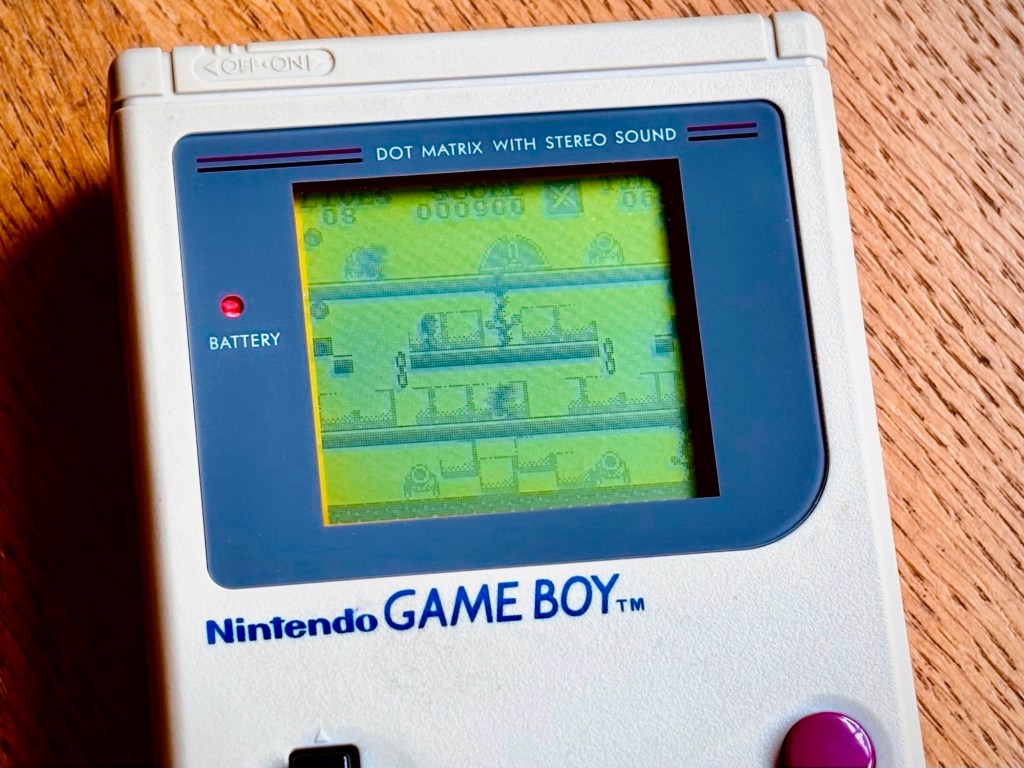
Occasionally, there’s more to finally going physical with a game after years of emulation than just feeling better about yourself, and in the case of Bill & Ted’s Excellent Game Boy Adventure: A Bogus Journey (on the original Game Boy), the simple transition to a “real” screen makes a very small (literally!) but surprisingly significant difference! It’s a single-screen puzzle-platformer from 1991 in the US and the following year here in Europe, with the most tenuous of links to Bill & Ted – in fact, if it wasn’t for a couple of “Excellent!” cartoony intro screens with them on, you’d have no idea! There’s a vague plot about recovering time fragments from ten different periods, loosely signified by the level backgrounds and occasional helping hands from the likes of Billy the Kid and Napoleon. Each one then has five stages, made up of an increasingly complex maze of platforms, ladders, ropes, gates, hazards and enemies to negotiate a route around to collect all the fragments, then get to the exit before the clock runs down. What starts out fast-paced and pretty free and easy soon becomes the opposite, ending up properly fiendish, especially with that time limit! The frantic music adds to the pressure too, while visually it’s all tiny, contextually unrecognisable and generally nothing special, but here’s that thing about the real thing – there’s a bit of hardware motion blur going on, which is weirdly kinetic and adds this kind of mischievous energy to the game that’s missing from the sharp edges of emulation. It’s as barely there as the license but I was surprised at how much it elevated the gameplay for me, which wasn’t exactly lacking in energy in the first place! Anyway, however you play, it’s not bogus in the slightest, and is definitely worth adding to your cartridge collection if you have one!
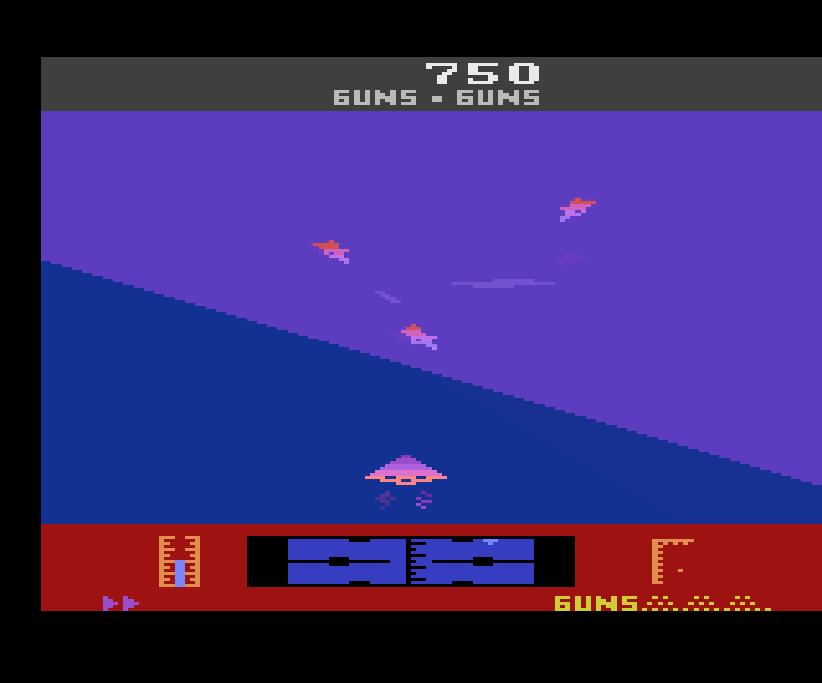
Which also goes for the next game – my most recent buy here, and why it’s missing from the image at the top of the page if you look closely! As instinctive as it is to describe Radar Lock on Atari 2600 as some kind of proto-arcade dogfighter, it actually came out two years after Sega’s Afterburner! As is the case with a lot of these very late releases on there though, this one from 1989 is a bit of a miracle regardless, which is no surprise when you also consider it’s by Doug Neubauer, the genius behind the astounding Star Raiders (astoundingly released on Atari 8-bit machines a whole decade before this), and its spiritual successor and best game on the 2600 (in my humble opinion), Solaris! Plenty of both of their DNA here too, pushing the system to the limit, which my new (old) boxed copy now allows me to experience in all its original glory! From the second you launch into the sky, from your from-behind but cockpit-style 3D view with instruments below it’s surprisingly intense, as you juggle throttle, weapon selection (on a separate joystick), target tracking and fuel management in a far more ambitious way than in most shooters on here, and then you’re weaving through waves of different enemies over five different mission types, lining up radar locks or peeling away to desperately hook-up with your refuelling plane before you run out. Obviously, we’re still talking Atari 2600, so everything is flickery and a bit abstracted (including the sound effects), but it’s detailed and colourful, the sense of speed is fantastic, the controls are responsive once you get into their groove, and the whole thing just has this fantastic confidence about it. Very impressive technical showpiece indeed, but it’s also a lot more besides!
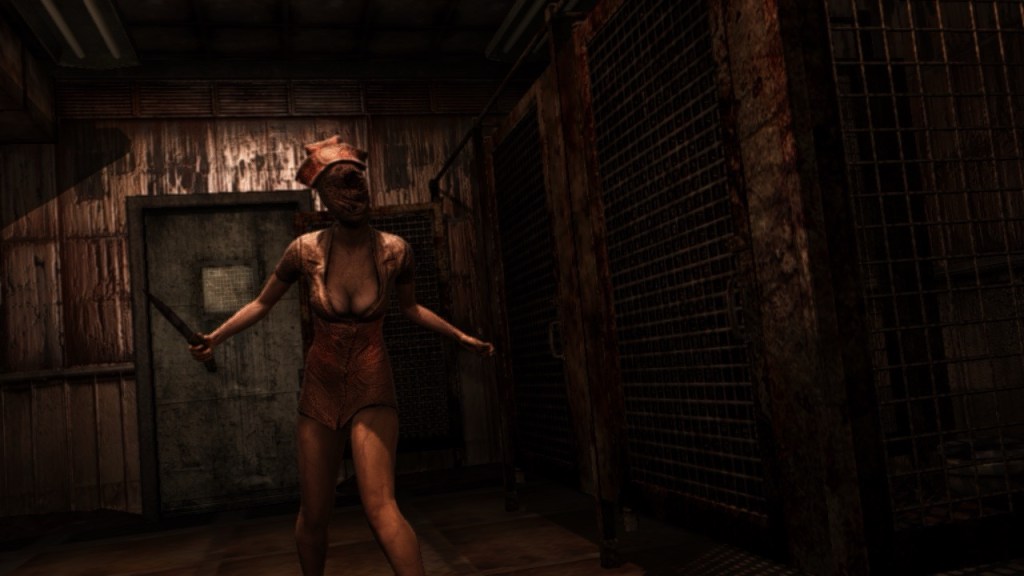
I’m pretty much up to date with the rest of them, but Silent Hill: Homecoming has always managed to pass me by, so as it’s one of the less expensive titles in the series to pick up (on PlayStation 3 in this case) nowadays, I decided it was time to put that right! It was originally released in 2008, and I believe was the first mainline entry developed outside Japan… And it shows, from the second you start dealing with the murky lighting, awkward navigation and pretty much awkward everything else! It goes so hard on darkness from the outset that rooms and even some standalone puzzles are often totally unreadable, and not in that deliberate and oppressive way the earlier Team Silent titles did so wonderfully, but in a turn the brightness up because you literally can’t see the exit kind of way – not that doing that helps much anyway – and it’s made worse by invisible walls that block perfectly logical routes around furniture and stuff. The controls don’t help either, with sloppy and imprecise movement, and clumsy combat even after you adapt to its timing, although you’ll never trust that dodge mechanic! The plot follows Alex Shepherd, returning to his hometown of Shepherd’s Glen to search for his missing brother, only to uncover a collapsing community, buried guilt and a nightmare that inevitably draws him back toward Silent Hill itself. It’s alright, but while voice-acting is hardly a series strong point at the best of times, here it seems to suck any life out of the psychological unease it did build its reputation on. There are flashes though, with some very cool creature designs and nice environmental ideas, and even occasions (especially in the last hour or so) when the mandatory fog and typically atmospheric sound design do briefly click… But it’s mostly a very low point in one of my favourite gaming franchises, and that’s saying something once you get beyond the brilliance of the first four.
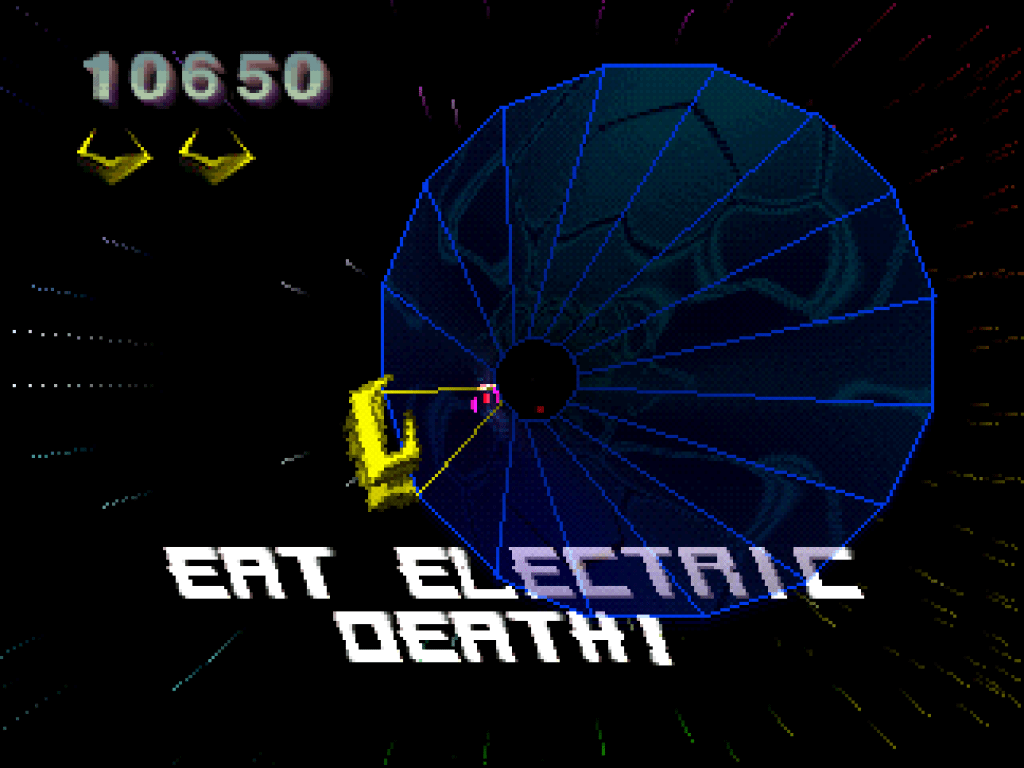
While the original 1981 arcade classic and its various early ports were always things I liked rather than loved, Tempest 2000 on the Atari Jaguar is something else entirely, as you can see from my Top Ten Favourite 3D Shoot ‘Em Ups countdown right here! In that feature, I do mention a similar like-not-love feeling for Tempest X3 on the original PlayStation as well, which never quite clicked for me at the time, undoubtedly in no small part because who wanted a rehash of some stuffy old arcade game on there in 1996??? Well, thirty years later, I decided I did after all, so I’ve been on the lookout for a copy for ages, not so much waiting for a decent price (although it’s not the cheapest of PS1 games to pick up nowadays) but waiting for a copy to appear full-stop… They always turn up in the end though! It’s maybe a more accessible and console‑friendly experience than previous entries but still nails that hypnotic pulse that defines the series, together with colourfully patterned, dynamic geometries, smooth rotational movement and a barrage of enemies and power‑ups that steadily escalate into this wonderful, totally absorbing state of controlled chaos! The soundtrack’s techno tendencies were never my thing but – not unlike Wipeout – I don’t think you’d change it, as it keeps time perfectly behind all the explosions of colour, the cascading particle effects and the giant floating words of, er, encouragement constantly jumping out of the screen at you. Very cool two-player split-screen duel and traditional old-school arcade modes on top of the main new one too. As frantic and fun as it is though – and definitely worth every penny I spent on it – it’s still not the psychedelic, primal, in your face Jaguar game, playing things cleaner and safer and a bit more structured, maybe more akin to the panic-based purity of the original. Which was probably the point! Maybe not my favourite Tempest then, but there’s never been a better time to appreciate it regardless!
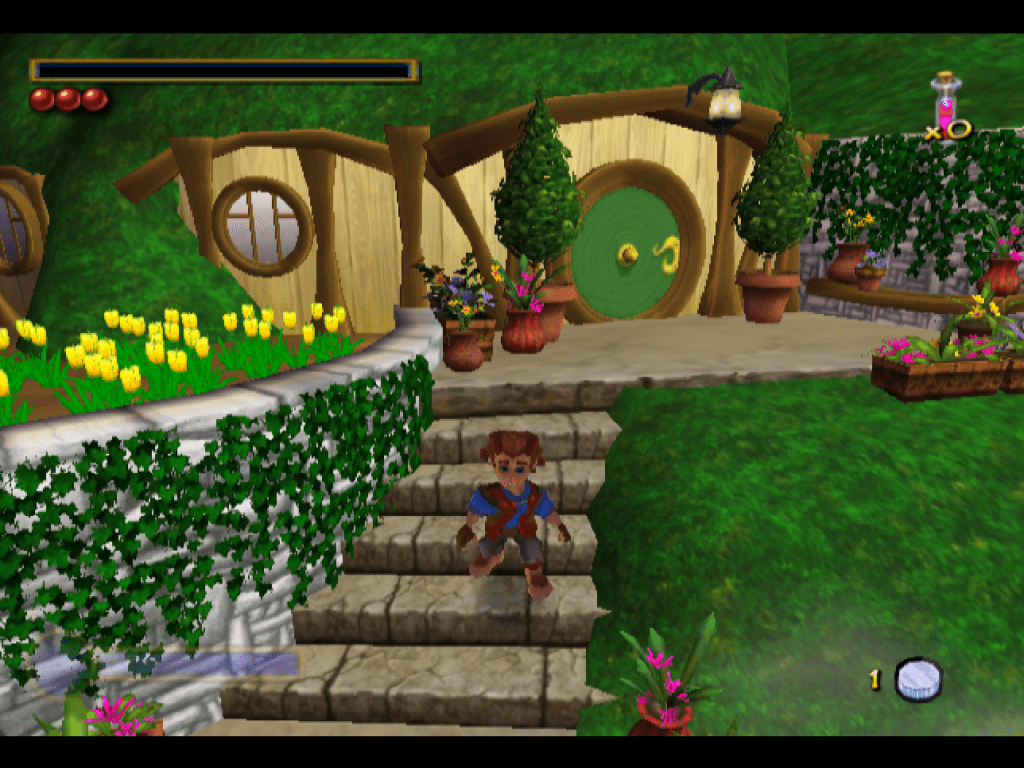
I’ve been a big Tolkien fan since my early teens, but I’d never really come across this take on The Hobbit for Nintendo GameCube (and elsewhere) until more recently, so after keeping an eye on eBay for ages waiting for a copy to appear at a price I wanted to pay, one finally turned up and I grabbed it. First released in 2003 – which was circa Peter Jackson’s Return of the King – it’s based strictly on the book rather than any films for rights reasons, so from the off, it’s a bit out of kilter with what you might expect from Middle‑Earth in the early‑2000s, but it’s exactly what you’d expect from an action‑platformer around then! Loads of box‑pushing, switch‑hitting, simplistic combat, collectibles and what barely qualifies as stealth, and while none of it is necessarily broken, it’s all so lightweight (or janky) that you’re very quickly mostly still playing because of the the source material (as well as realising you’ve just spent more on it than it’s probably worth!) rather than it being especially worthwhile. No surprise either that the camera is just about adequate, the platforming never feels very precise, and the combat is little more than decoration, but the game keeps it coming regardless! Even so, the narration and music do a decent job of carrying the story, and the colourful cartoony take on it does give you something to distract you from the controls, but it’s still very much a very average licensed adaptation doing the bare minimum as usual.
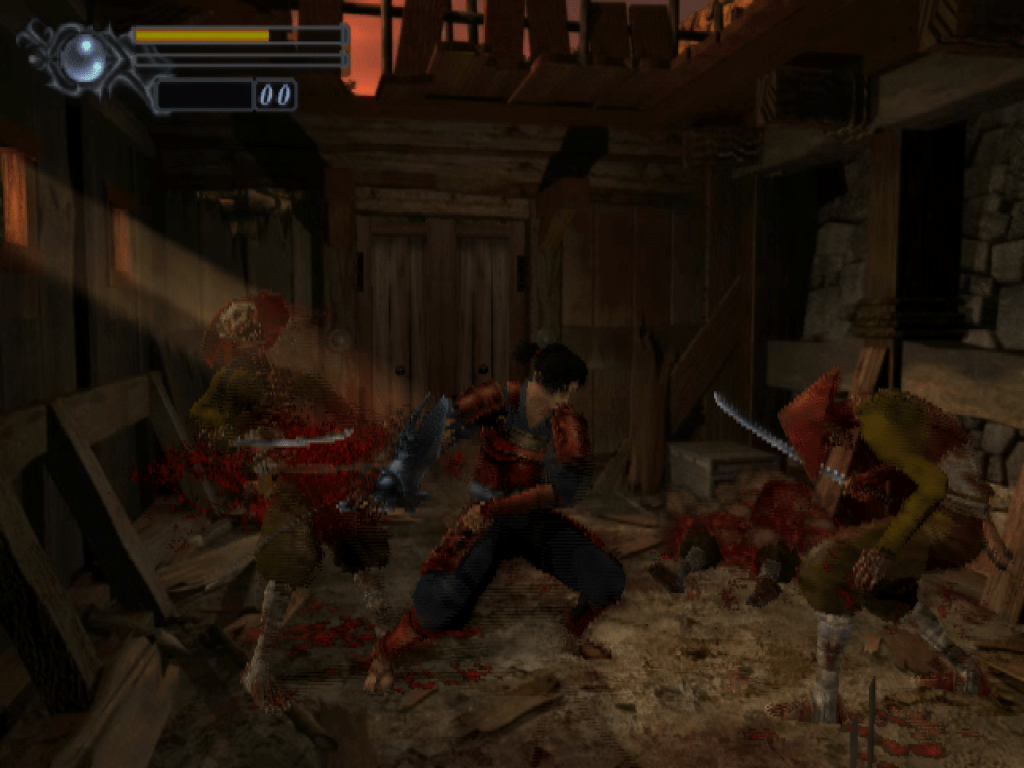
The Onimusha series has never really held much interest for me, but a typically knowledgeable and passionate recent deep‑dive on the Cane and Rinse podcast finally pushed me to pick up Onimusha: Warlords on PlayStation 2. What I hadn’t appreciated until I listened to the show was how closely it sits alongside the old Resident Evils in lineage, with its 2001 release effectively acting as Capcom’s attempt to translate its fixed‑camera, pre‑rendered survival‑horror template into a Sengoku‑era samurai fantasy. It resulted in a world built from meticulously staged backdrops, forcing deliberate movement through carefully framed corridors, but with a completely different vibe thanks to the weighty swordplay and the myth‑tinged atmosphere. The story mixes period Japanese over-dramatics and supernatural menace, as you try to rescue a princess from a demon-lord thing, involving lots of surprisingly fluid melee combat in confined spaces, given the inherited tank controls, and a counter system that also works a lot better than it should, given the stiff animation you’re timing it against! It’s aged pretty well to look at otherwise though, often beautifully lit and with some big-budget cutscenes. The sound design is theatrical enough too, and you’ve got predictably hammy voice-acting and a soundtrack that swept me along very nicely even if it never really blew me away. It all ends up right between the Resident Evil structure and the more expressive action Capcom would continue to pursue for many years to come; it’s also worth noting it arrived the same year they’d take that formula in a completely different direction with Devil May Cry. For something I’d always thought of as not really my thing, it turned out to be a fun few hours, made all the more interesting by that missing bit of historical context, thanks to Cane and Rinse, so do check them out if you haven’t before.
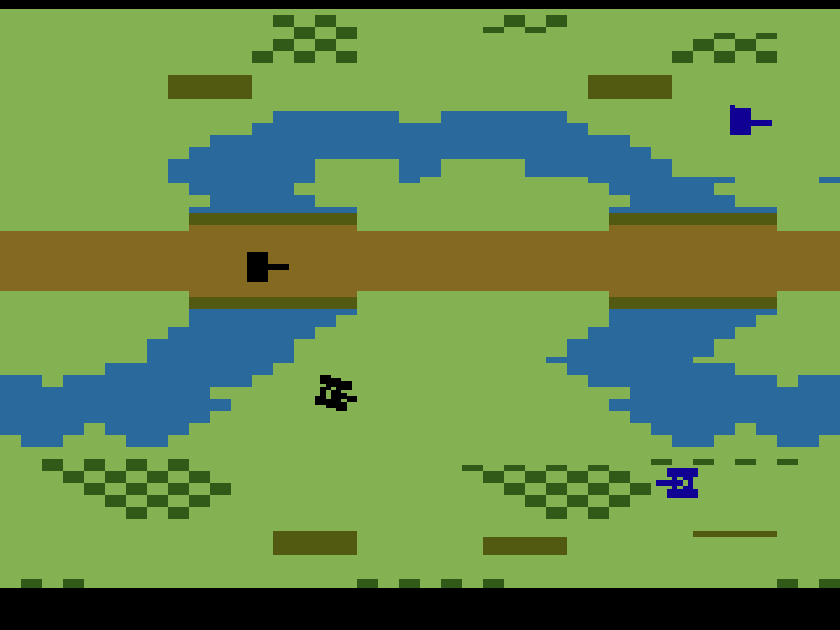
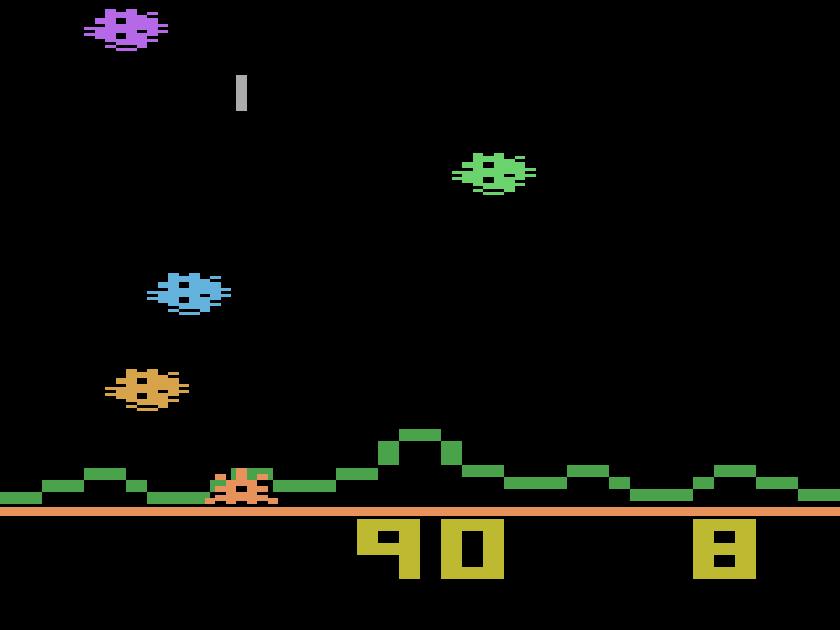
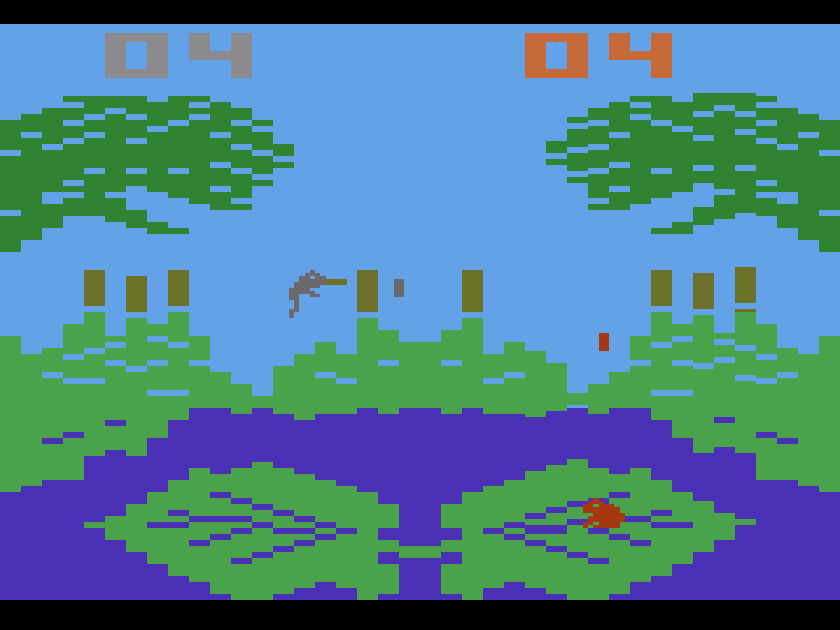
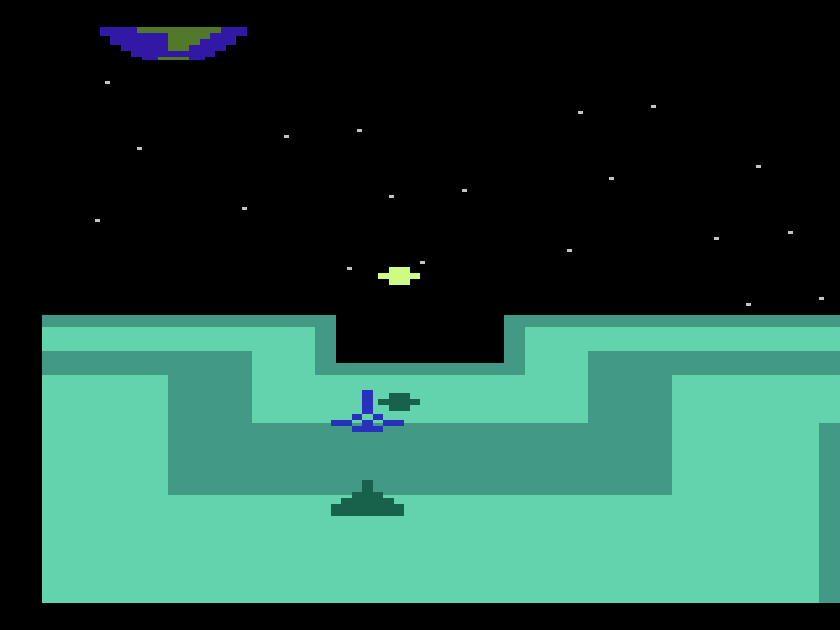
Along very similar lines to Avalanche earlier, I was also given the M‑Network Collection for my last birthday, which got an official boxed release on the Atari 2600+ in 2024 as a four‑game (backwards- and sideways-compatible) cartridge, containing ancient ports of ancient Intellivision games including Armor Ambush, Astroblast, Frogs and Flies, and Star Strike, each selected using combinations of four physical switches on the cart itself. Armor Ambush (originally Armor Battle on Intellivision) gives you a more tactical, terrain‑driven tank battle than Atari’s own Combat, with obstacles that affect how each encounter plays out. Astroblast is a quick-fire reinterpretation of the Space Invaders meets Asteroids anti-scoring oddball formerly known as Astrosmash, that unusually plays with either joystick or paddle controller (but stick to joystick)! It’s a shame Frogs and Flies in particular got the renaming treatment at the time because Frog Bog was loads better, but it remains a minimally atmospheric and mostly perfectly formed duel of timing and positioning. It’s got some very early day-night cycles too. My dear old favourite Star Strike rounds things off with a stripped‑back, Star Wars-inspired trench‑running 3D shooter that gives the hardware as much of a workout as it does your poor fingers, as you try for a clean sequence of bombing runs against a cruelly ticking clock… I can sometimes still just about beat it though! All the games have all the usual 2600 variations and difficulty levels, and overall, it’s nice snapshot of M‑Network’s approach to reshaping Intellivision ideas for Atari hardware, with plenty of pick up and play variety, although a player two will definitely help you get the most out of it.
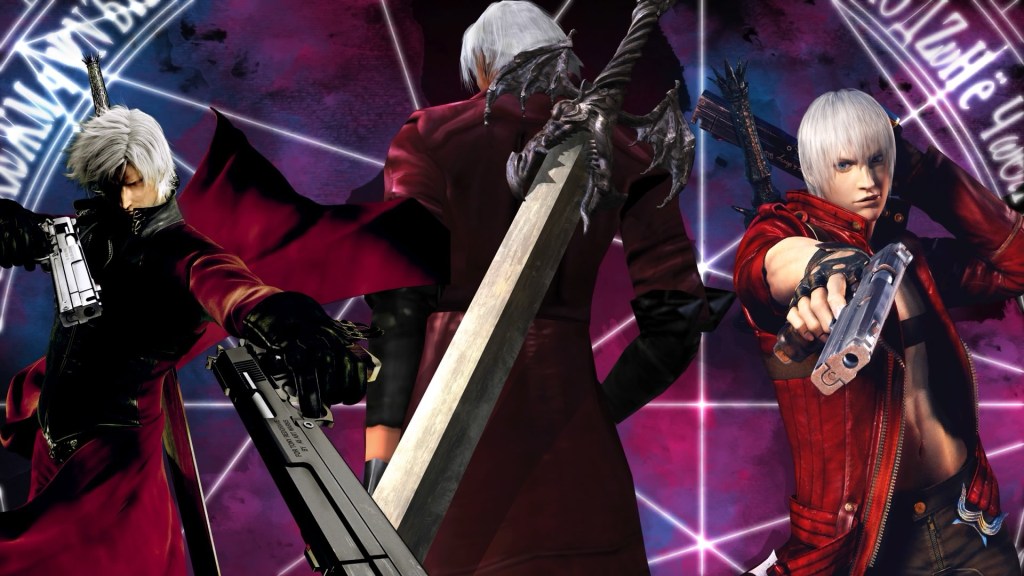
One more birthday present left, so we’ll get that out of the way now too, and it’s the Devil May Cry HD Collection on PlayStation 4 from 2018, which is regularly on Amazon now at a real bargain price! What you’re getting is the original stylish, expressive, combo-driven supernatural hacking and slashing PlayStation 2 trilogy, which was then previously collected in cleaned-up form on PS3 in 2012, and is given another resolution boost with sharper textures and smoother performance here. Otherwise though, it’s pretty much untouched from what I can tell – some trophies, some bonus art and audio, but no reworked systems or modern quality‑of‑life tweaks; just the games as they were… For better and worse! 2001’s aforementioned Devil May Cry was originally a Resident Evil sequel before spinning-off into its own thing, but you can still see where it came from in the fixed‑cameras, decadent gothic corridors and slightly awkward movement, although once the combat kicks in, it becomes obvious why they switched to its naturally-fitting genre – it’s still a joy! The plot is simple but engaging enough too, with hero Dante storming a demon‑infested fortified island to confront the evil forces that killed his family. And once you get your head back into its exploratory rhythm, it still plays great for the whole of its ten or so hours, slightly rough around a few edges by modern standards or not, and the same goes for the presentation, constantly reminding you how good this thing looked on the PS2! Will always be a classic!
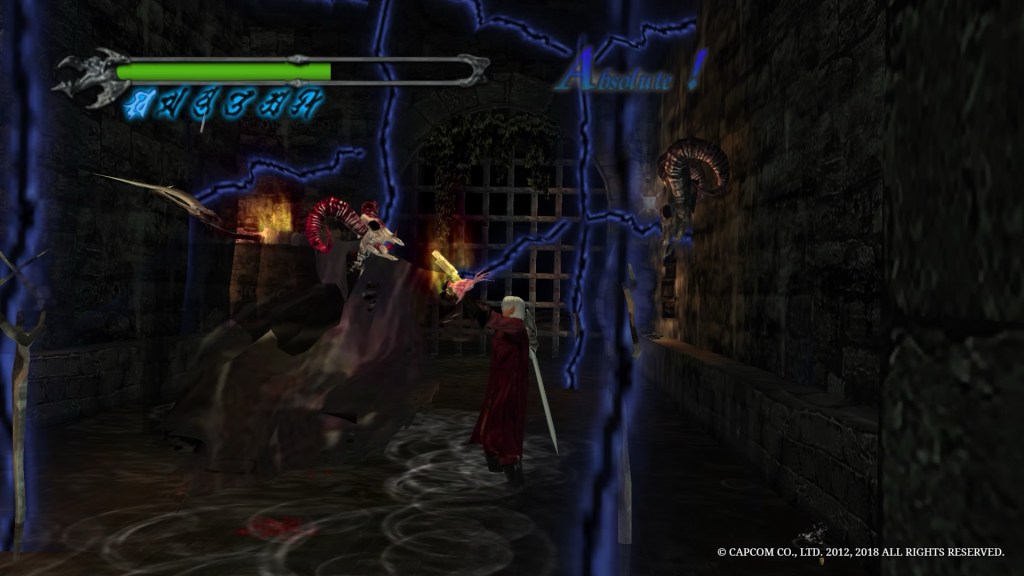
Less so Devil May Cry 2 though… The story pretty much passed me by, with Dante and newcomer Lucia fighting demons in a bland modern city, while the combat – meant be the series’ backbone – is suddenly weirdly weightless, repetitive and lacking any kind of creativity. Then there’s the glitches, the jank, the dreadful signposting, the even more dreadful checkpointing… Easily the weakest game of the three in this collection, and no amount of HD polish could have disguised that was also the case when it first came out in 2003! All that said, I wouldn’t not have it here, and I was happy enough going back to it again for the first hour or so – until Mission 5 to be precise, when it gets really rubbish! Devil May Cry 3: Dante’s Awakening from two years later is thankfully the complete opposite! It’s not just the huge correction that saved the series either, but it arguably defined how this kind of thing would play for the next decade or more too. It’s a prequel involving Dante’s rivalry with his brother Vergil, but this one is really all about the massively enhanced combat system that introduces styles, cancels, weapon switching and a ton of mechanical depth that still feels incredible today. Looks and sounds stunning, runs beautifully, and unless you’re like me and the first game will always be the one you love the most whatever followed, this is probably worth the price of entry alone for most people. And overall, despite doing the bare minimum to preserve three inconsistent but undoubtedly important pieces of early‑2000s combat-action-adventure history, for what it costs today it’s a no-brainer, especially if you can get someone else to buy it for you!
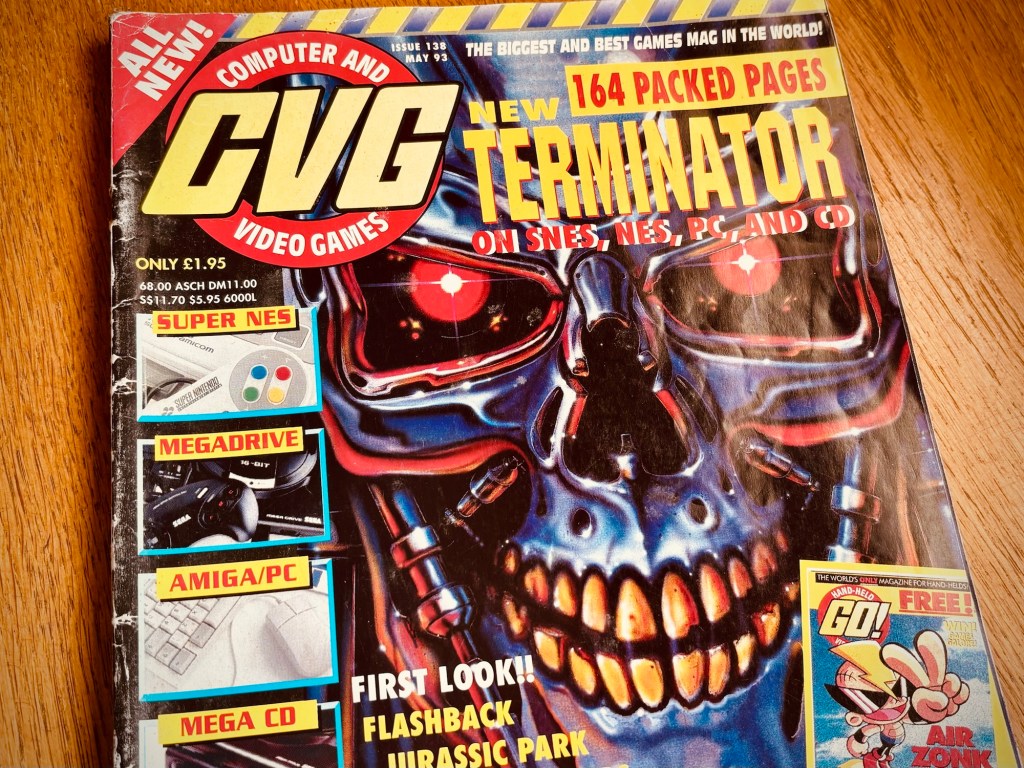
Regular readers of my Retro Rewind features will know that the pretty extensive collection of Computer & Video Games magazine we look at every month spans from not long after it started in the early eighties to around the middle of 1992, then from there, I’ve got bits and pieces but coverage is pretty spotty to say the least. I do pick up the odd copy as and when they come along and the price is right though, and that was the case with the May 1993 issue recently, so I thought it would make a nice change to throw a quick look at that in here too… And what a time to be alive! In the news, the Mega-CD launches in the UK, although the regular Mega Drive still has this month’s best reviewed game, Flashback, scoring 94% and being described as “graphically almost perfect” with “the best animation ever seen in a computer game.” Nice version of Fatal Fury on there too. The classic Star Wars dog-fighter X-Wing is the headline act on PC, where Terminator 2029 also does alright for itself – bit of an obscurity nowadays but a bit like a reskinned Dungeon Master. The Terminator on SNES is a more traditional action-platformer but scores a lot lower for being just too hard; some similarly average-scoring big names elsewhere on that this month too, with the likes of Wing Commander and Batman Returns, while its Lethal Weapon tie-in just stinks!
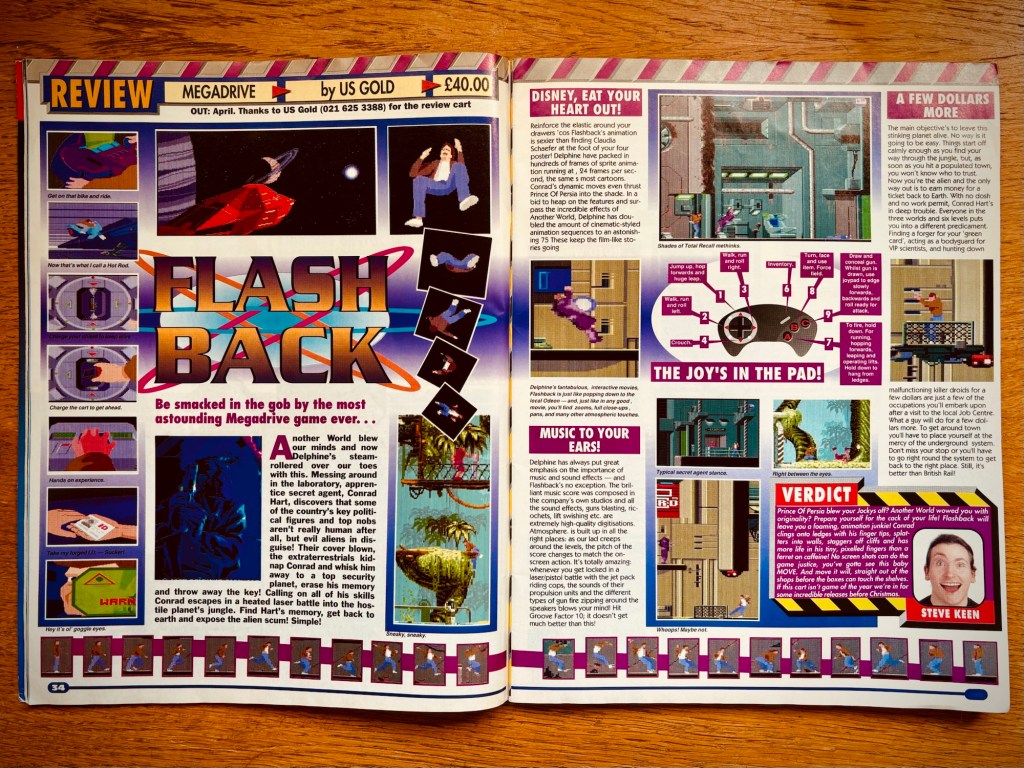
If you’re after something new on the Amiga, the choice is probably between Lemmings 2 and Desert Strike, but nice to see one-on-one fighter Body Blows scoring high too. Back on the Mega-CD, not off to a great start, with what’s now a bit of a cult classic piece of interactive manga (or “car version of Dragon’s Lair”), Road Avenger, scoring 64%, and all-time classic (whatever they say!) interactive b-movie Night Trap hardly doing justice to the controversy surrounding it in the wider world either! In the arcades, we’ve got brilliantly bonkers beat ‘em up Cadillacs and Dinosaurs scoring a lot higher, then there’s a Super Mario Kart guide, a SNES Super FX chip developer interview, and I was amazed to find the full Go! handheld magazine still attached in the middle of the Flashback poster on the middle pages (because I removed them from my own copies and they’re mostly long-since gone as a result). Really not a lot to get excited about in there though – the Game Boy take on classic Defender-a-like, Dropzone, scores 93%, Air Zonk on PC-Engine GT (like anyone owned one of them!) got 91%, then it’s diminishing returns from there, with stuff like Super Smash TV on the Game Gear, European Football on the Lynx, and some more very average tie-ins back on the Game Boy, such as Tom & Jerry and The Flintstones: King Rock Treasure Island. All the same, I love seeing all this stuff, and this hobby provides few greater pleasures for me than further expanding my C&VG collection out of one end or the other!
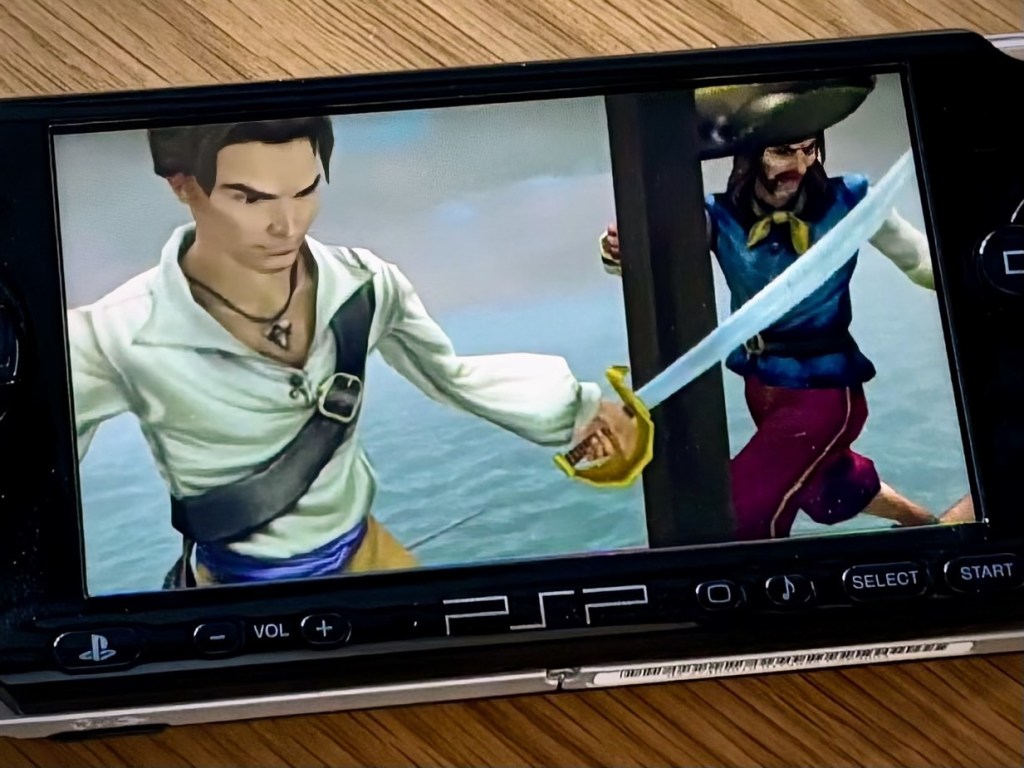
Most of the stuff I buy on PlayStation Portable nowadays has been sitting on a carefully curated (and exponentially more difficult to tick-off) shopping list, but in this case, I didn’t even realise it existed and just bought it very cheap on a whim! Sid Meier’s Pirates! is familiar territory all the same though, having spent many a happy hour up to no good on the high seas with it on my Atari ST when it first came out in the late eighties. I do actually have the 2004 remake this one (from three years later again) is more closely based on in my Steam library on PC too, but like so much stuff in there, it was bought for next to nothing a very long time ago and I haven’t touched it since! Whatever, this is a full reimagining of the groundbreaking original with brighter visuals, more accessible systems and a few minigames bolted on to both modernise and fill out the experience. No change to the core swashbuckling game loop though, with you flouncing around the Caribbean as a free‑roaming privateer, hunting treasure, sinking ships, duelling rivals and generally causing trouble! It’s just a bit more colourful, and things like the dancing sequences, more elaborate swordfighting and a reputation system give your exploits a bit more structure. I’m not sure the PSP is the best way to play it all the same – some of the menus are cramped and some of the locations a bit cluttered on the small screen, and the controls can be stiff, fiddly or both. The original didn’t really need padding out either, but honestly you’ll soon forget all of these things as you get totally sucked in all over again!

I’ve always had a soft spot for the Ace Combat series and its melodramatic flight-combat spectacle, but real-world spin-off Ace Combat: Assault Horizon on PlayStation 3 seemed like a bit of a black sheep to me when it came out, so I’d left it alone until I recently came across a very cheap copy and thought I’d finally give it a chance! It was first released in 2011, when everything had to be grittier, louder, more cinematic and generally more Call of Duty! Bandai Namco properly went for it too, and none more so than in its outrageous “DFM” or Dogfight Mode, where you’re hurled through these mega‑scripted, up‑close chases that are equal parts explosive, exhilarating and exhausting, and nothing like the more free‑form aerial dance an Ace Combat game generally thrives on. Some overly long missions aside, I can’t be too down on anything this excessive though! The camera shakes itself stupid, and there’s non-stop alarms going off, and missiles streaking past everywhere, and then suddenly there’s a skyscraper scraping your wingtip, and the soundtrack is just pounding away like a heroic lunatic on top! It’s spectacular and chaotic and nothing like the far more elegant PS2 games I remember most fondly, or any of the other ones that followed. It’s like Maverick got kicked out of Top Gun and was replaced by John Rambo, and you really can’t hate on that!
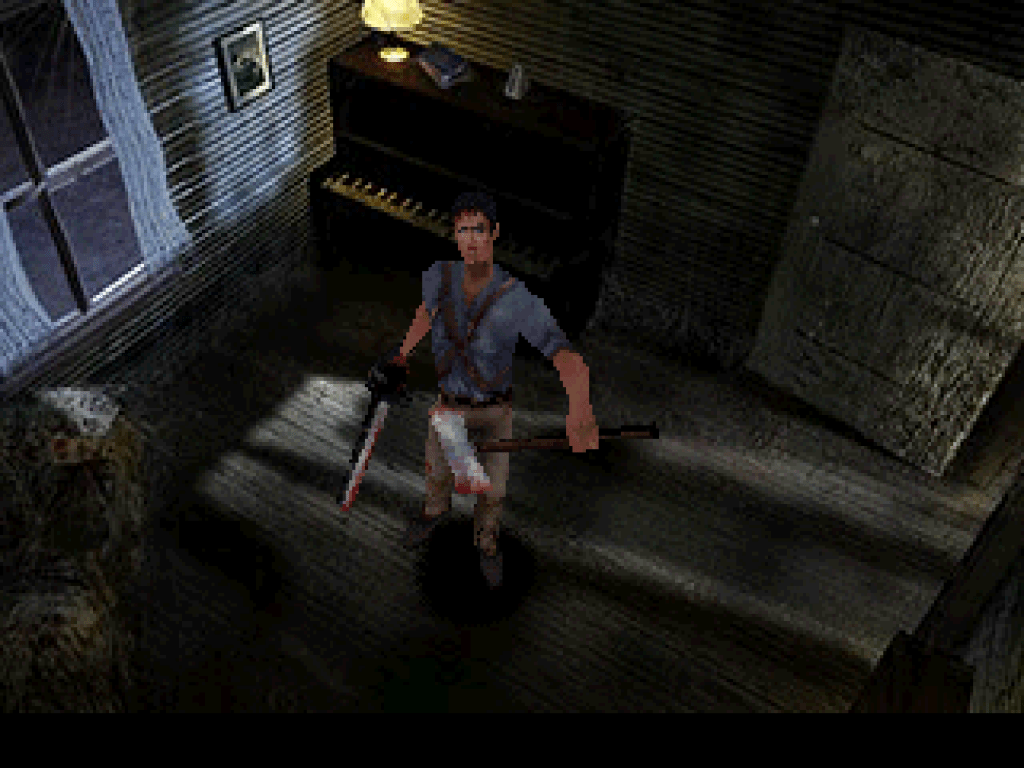
This cost me a bit more than I’d have normally paid if I wasn’t a fan of the subject matter, but I finally got hold of Evil Dead: Hail to the King on the original PlayStation. I’ve loved the films since they were video nasties but money was tight when this came out, and in my mind I was already moving on to PS2 by then, and I just had other priorities anyway. That said, I can safely now say I wasn’t missing much! Released in 2000 as a sort of unofficial follow‑up to the Army of Darkness movie, it tries to shove the Resident Evil formula down the series’ throat, with fixed camera angles, pre‑rendered backgrounds, tank controls, limited ammo, the lot. Unfortunately, none of its polish, atmosphere or tension though! You play as Ash, returning to the cabin to face the Deadites once more, but if the story isn’t exactly Hollywood, then the voice acting definitely isn’t, Bruce Campbell or not. And the controls are truly terrible! So stiff and unresponsive, while the camera makes even simple navigation from one side of a room to the other a chore, and then there’s the inventory system and the constantly respawning enemies… It’s a shame too because sometimes it gets the setting and the tone exactly right, but it’s just so clunky and frustrating that it’s very unlikely you’ll be surviving its horrors for very long today. Oh dear!
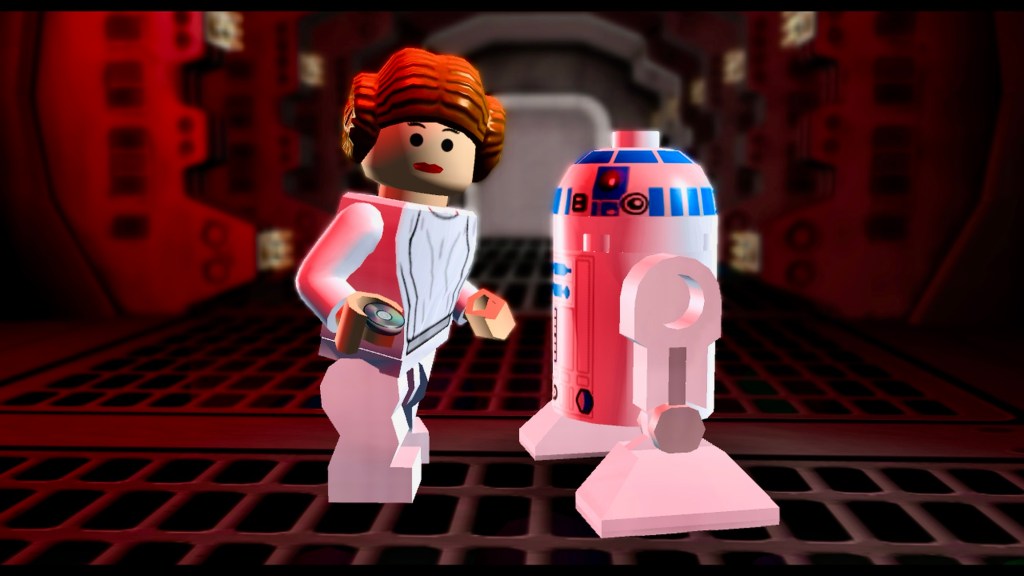
I’d have have no doubt enjoyed it at the time, but like the last game, Lego Star Wars II: The Original Trilogy on PlayStation 2 inevitably also passed me by when it came out in 2006. The prequels never offended me but a Lego game based on them wasn’t my thing, so I’d already skipped the first instalment, then realistically there were other games way ahead of this in the queue, not to mention having a baby on the way! Fast‑forward twenty years and Retro Gamer magazine ran a cover feature on it, and given that it now literally costs less than a coffee, I suddenly liked the sound of it! Amazing how timeless these things can end up looking too, with the PS2’s slightly soft and hazy presentation actually working in its favour, like playing on Lego dioramas rather than a dated video game format. Admittedly, there are a couple of gameplay elements that are less timeless, but overall the subject matter gives the whole thing an inherent swagger, and it’s all so polished and authentic on both sides of the license, whether the swoosh of a lightsaber or the clatter of bricks, the slapstick reverence for the plot(s), or how the animation seems to burst straight out of your big cardboard box of loose bricks in 1984! There so much here too – characters to unlock, Free Play areas to rediscover, and secrets everywhere. And it’s all so uncomplicated and good‑natured and fun. The only problem now is that my potential player two who was on the way the first time around is now far too old to be interested anymore!
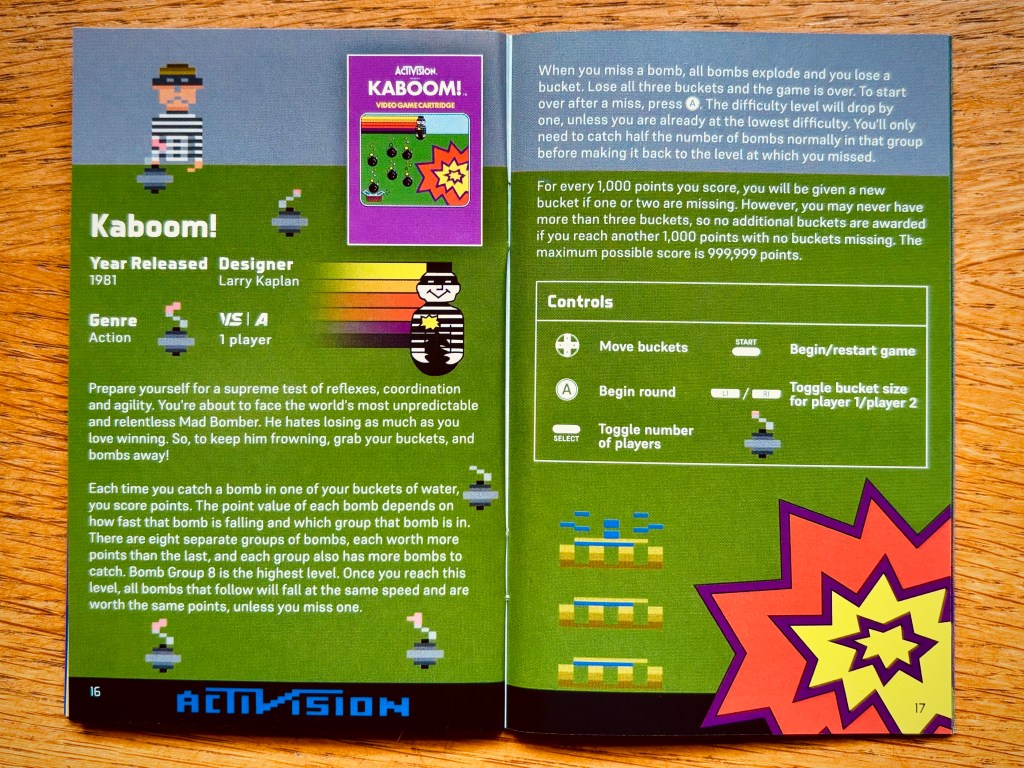
Although you could probably have made one great compilation out of the two of them, I loved both Activision Collections 1 and 2 for Evercade when they both arrived over the past nine months or so. And despite there being a few titles still missing, I thought they’d already covered the key ones and really wasn’t expecting a third batch, but here it is – Activision Collection 3! It includes another thirteen Atari 2600 titles that I think are mostly from the early eighties, and mostly from the very first third-party video game developer, but as before, there’s at least one title here they picked-up from acquisitions along the way, and some that didn’t make it at all. I’ll briefly run through all the games in a minute, but as usual with these, they’re all on a cartridge in a box with a manual that does the usual great job making the originally overly-verbose instructions more accessible! Firing it up will then give you the regular sortable Evercade menu experience, with various display and other options on offer, and a button press taking you to an attractive information screen with an overview of each game, controls, stats and direct access to your last save-state. You also get a handy list of different game modes, which was typical of 2600 games, and will save you a lot of messing around in-game! Which sounds like a good place to look at the games themselves…
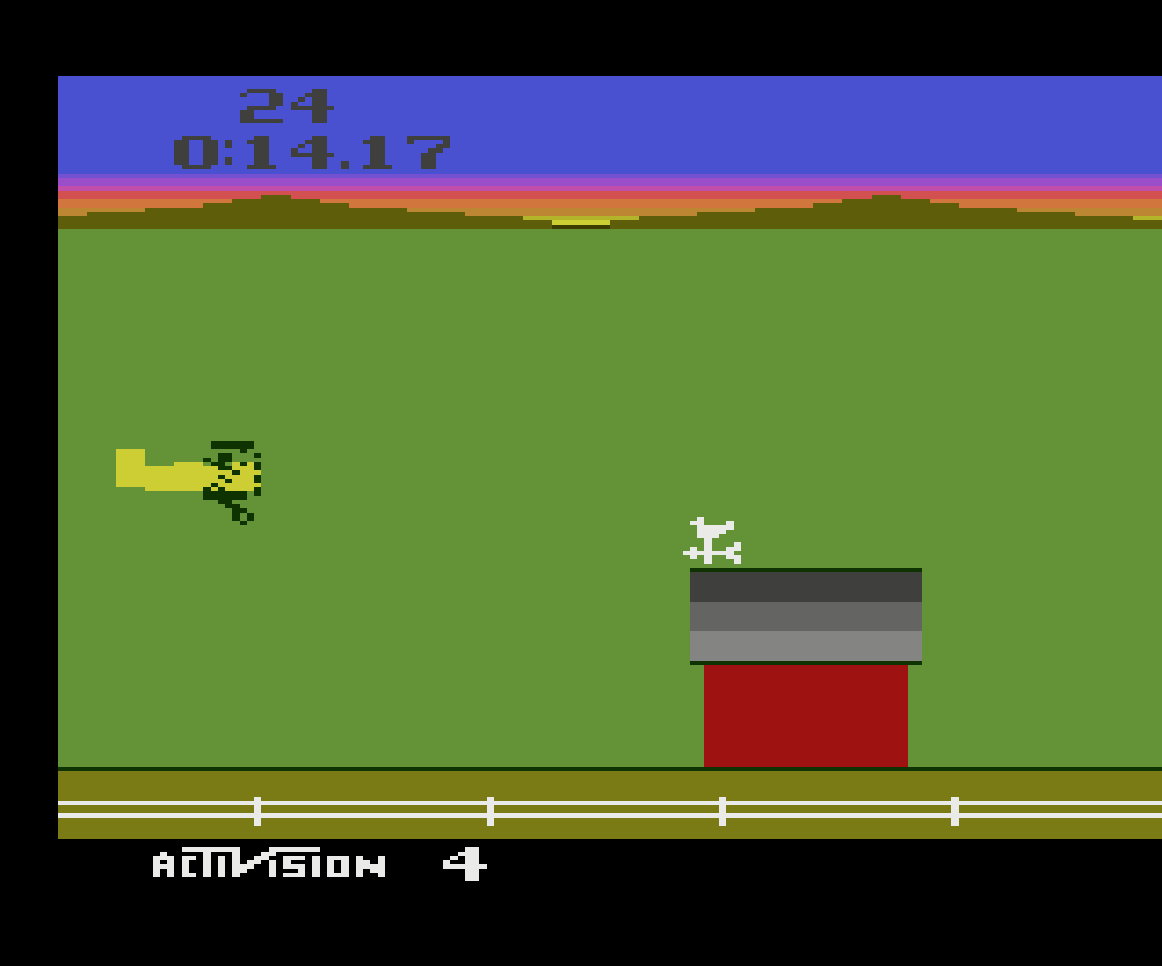
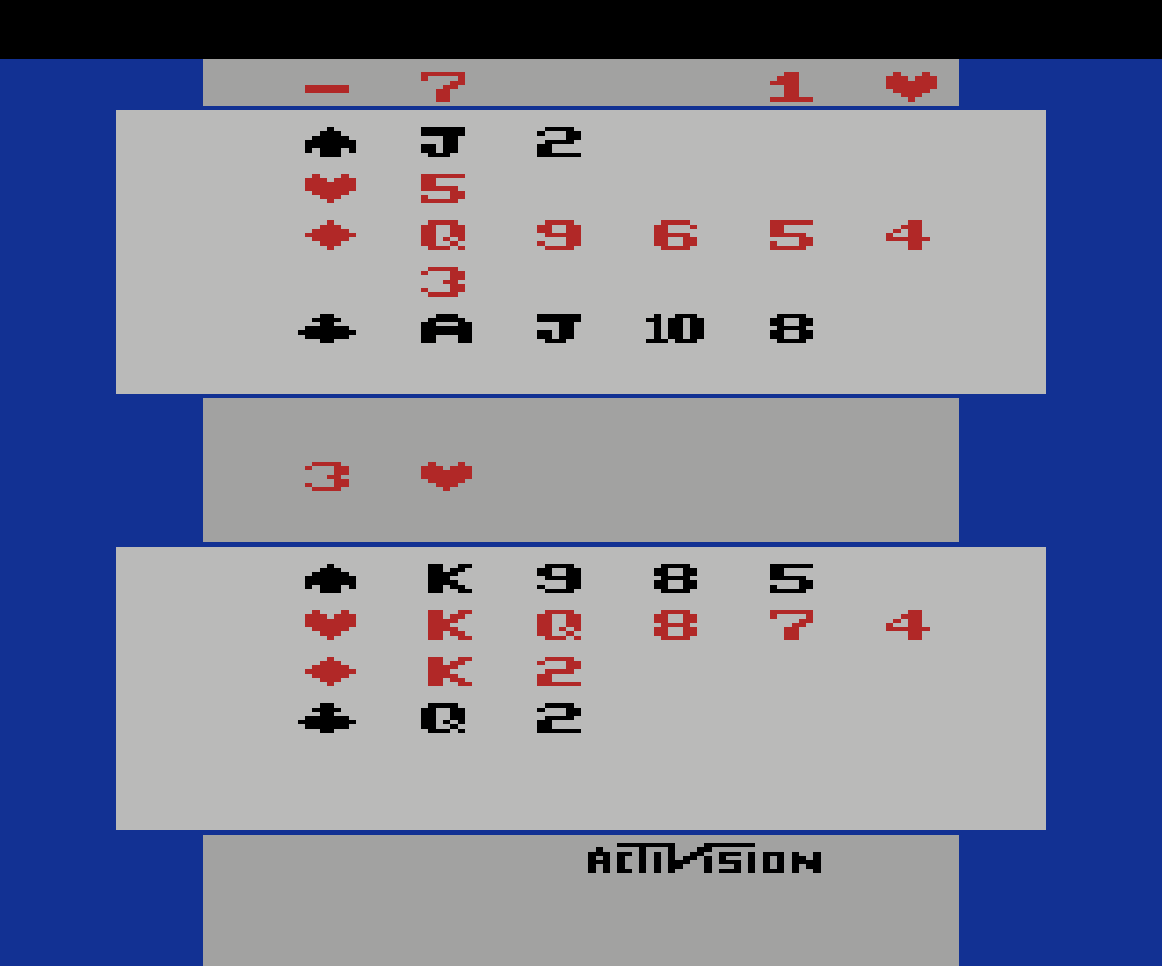
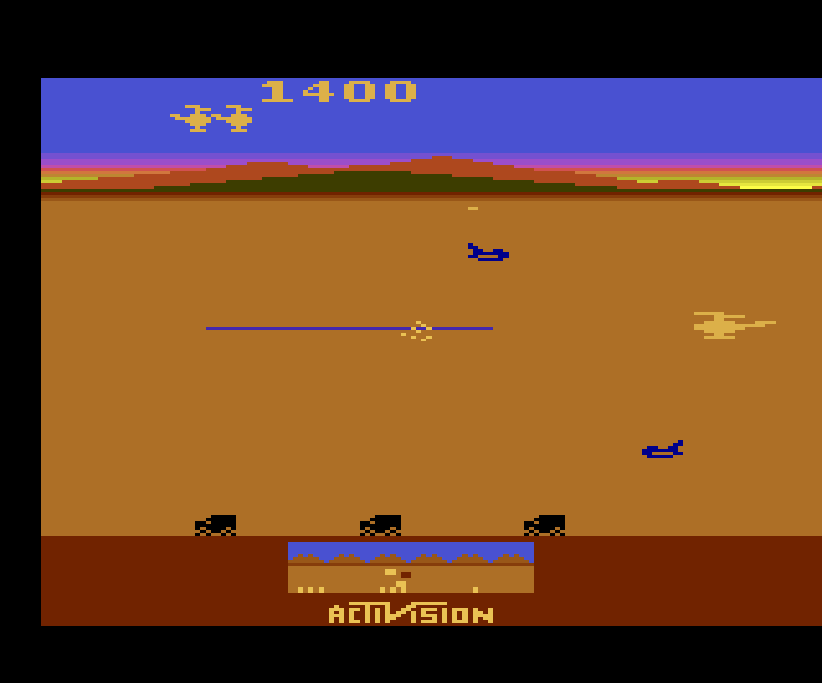
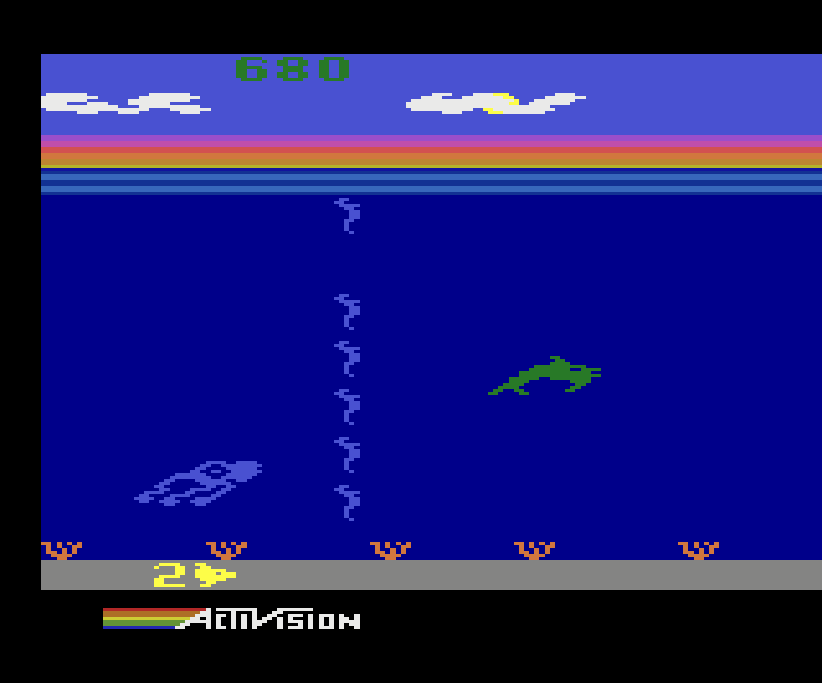
I have to say that none of these are the big-hitters like River Raid and Pitfall or the all-timers like Seaquest and Moonsweeper in the previous collections, but there are a couple of favourites of mine here that I reckon are worth the price of entry for me at least, and plenty of quality and variety elsewhere too. Going alphabetically then, Barnstorming is a side-scrolling stunt plane game where you have to fly through a specified number of barns as fast as you dare against the clock while dodging radio masts and pesky birds. Looks nice but there’s really not much game here. Not sure Bridge is going to get your pulse racing after that either, although it is a competent solo take on the classic card game, with the computer handling your partner and opponents. It’s functional and faithful enough, but easily the most niche and least intuitive title in the collection! Thankfully, Chopper Command to the rescue, a slick Defender‑style desert‑patrol shooter that’s fast, polished and instantly playable, and easily one of the highlights here. It’s not often I come across a game on the 2600 I’ve never played before, but we’ve got one with Dolphin, a high-speed, pattern‑reading undersea dodger where you weave through shifting wave tunnels while staying ahead of a chasing squid. All very simple but there’s something about it once you settle into its rhythm, even if there’s not much there long‑term.
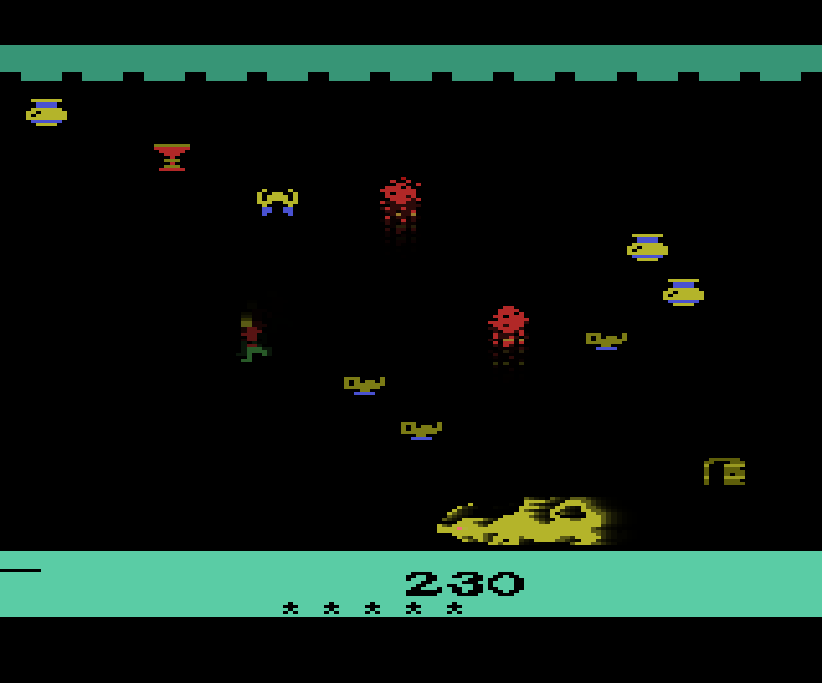
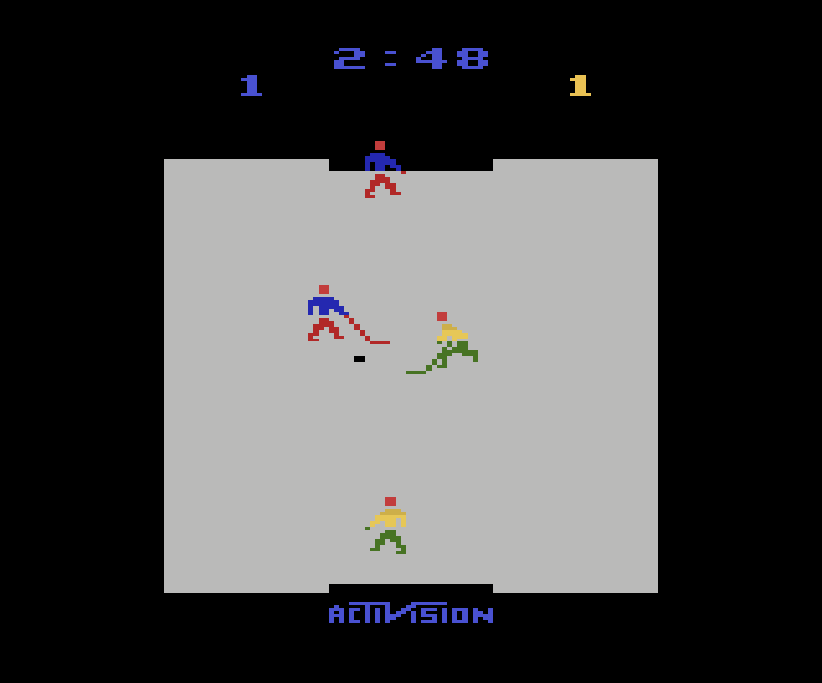
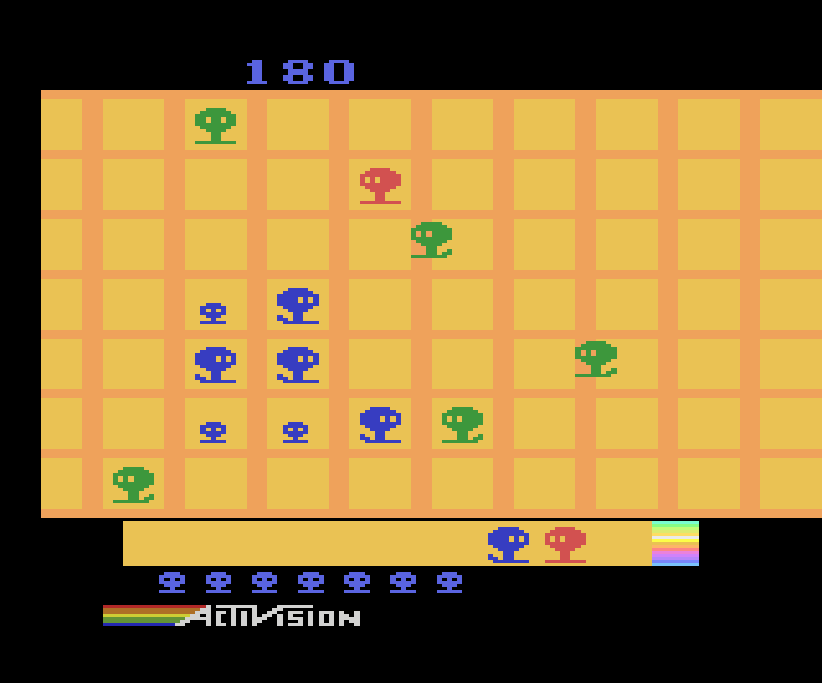
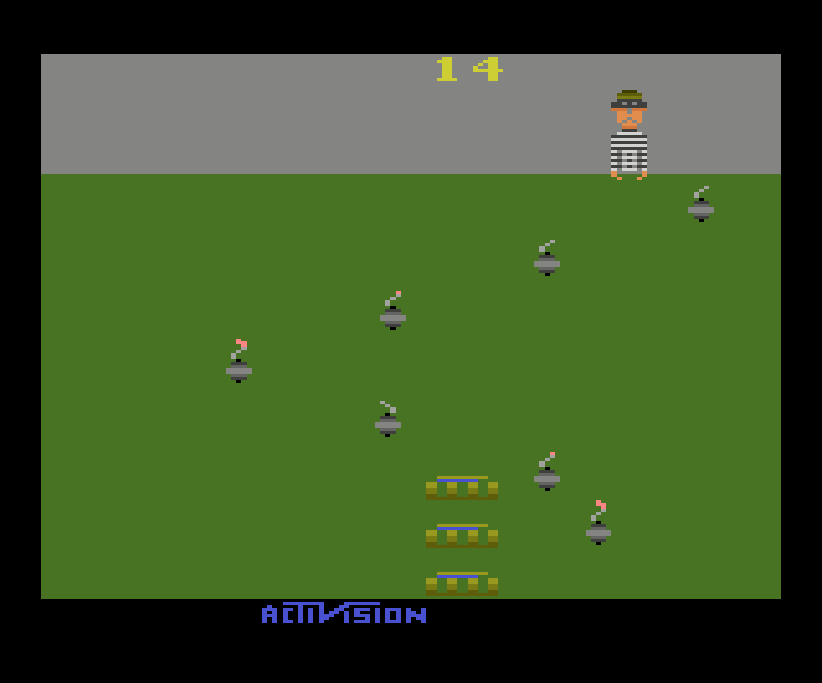
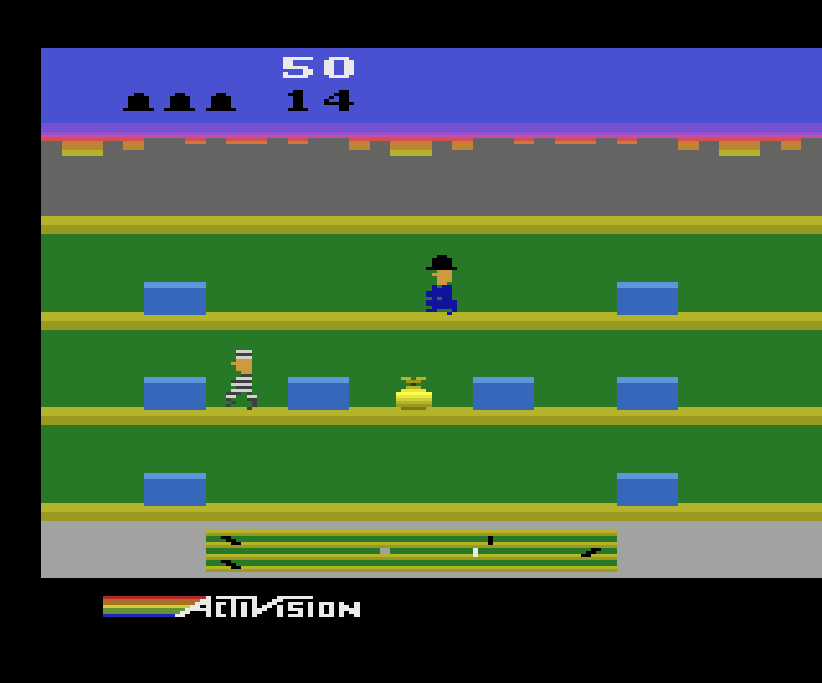
Next is Dragonfire and it’s still great fun – a dash‑and‑grab fantasy game where you sprint, duck and jump across deadly castle battlements on the first screen, then loot treasure while a dragon tries to stop you on the second, which was some serious variety for the time, and the rest holds up brilliantly today in what’s another standout. Maybe not a standout but also a bit of a pioneer too, and I like Ice Hockey a lot! You’re getting a fast-paced two‑on‑two early take on the game, with nice momentum, scrappy tackles and quick rebounds that will keep you going for a while as a single player but does properly come alive with two. I’m not really sure how to describe Kabobber – which may explain why it ended unreleased at the time! It’s a weird chase-type thing where you guide a group of situationally-regenerating creatures while trying to tag enemies in the right form. It does get less confusing than it sounds then gets pretty fun for a while, but it won’t keep you interested for long. Kaboom! is much easier to get to grips with, offering pure twitch‑reflex mayhem as you race to catch falling bombs from the Mad Bomber before they hit the ground. It works a bit like Breakout in reverse, and as such could use a paddle controller, but it’s fine once you get a fix on the slight stickiness to the controls, and then it’s still totally addictive all the same. Easily one of Activision’s most polished 2600 games now, Keystone Kapers, a cops‑and‑robbers chase around a multi‑level department store, dodging obstacles and strategically using elevators and escalators as you sprint after the escaping crook. It’s fast, smooth, ambitious and still hugely entertaining!
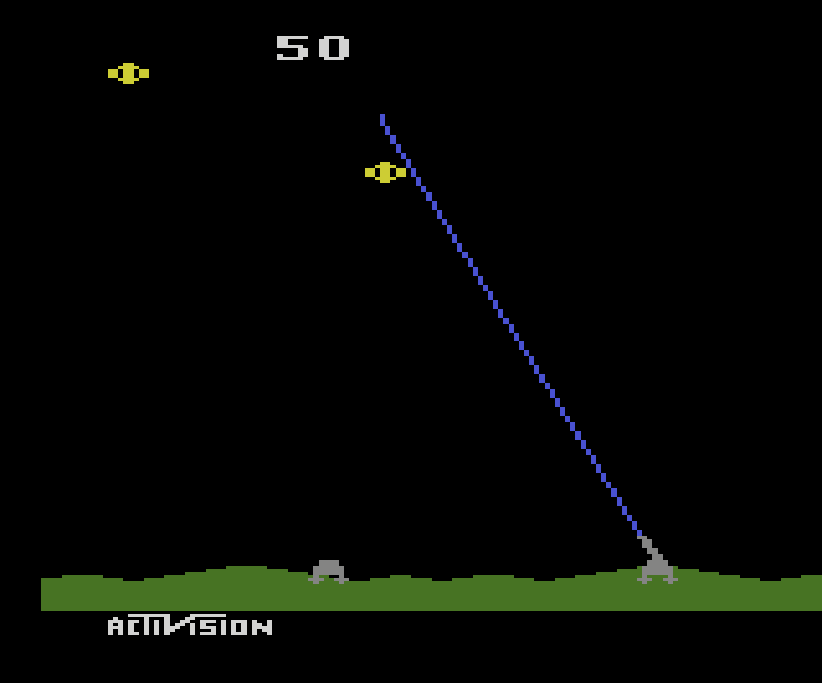
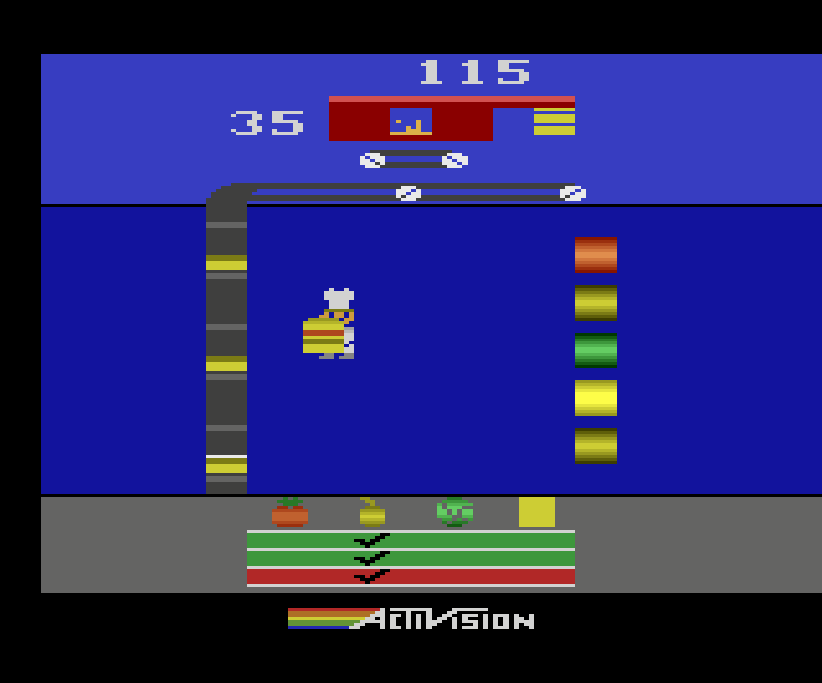
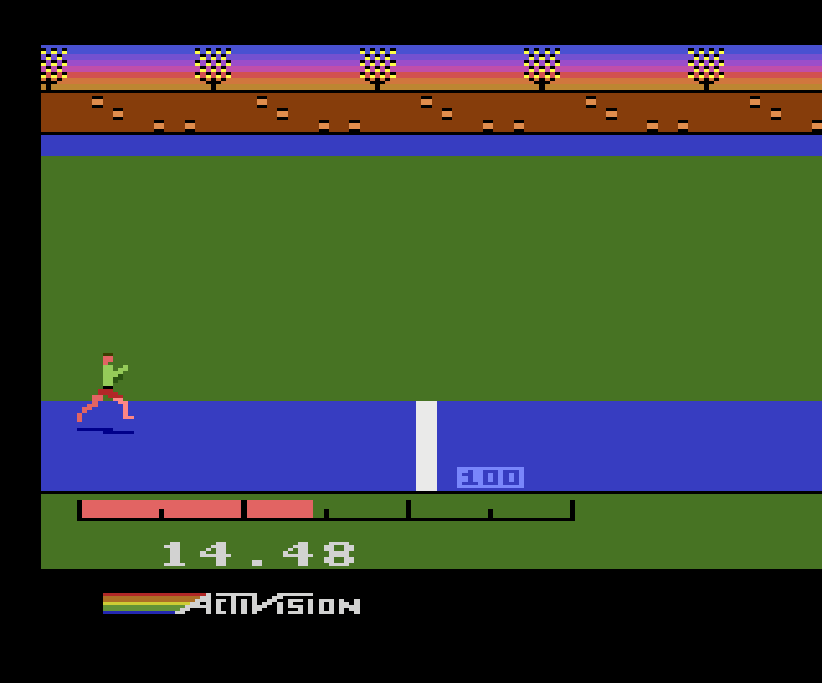
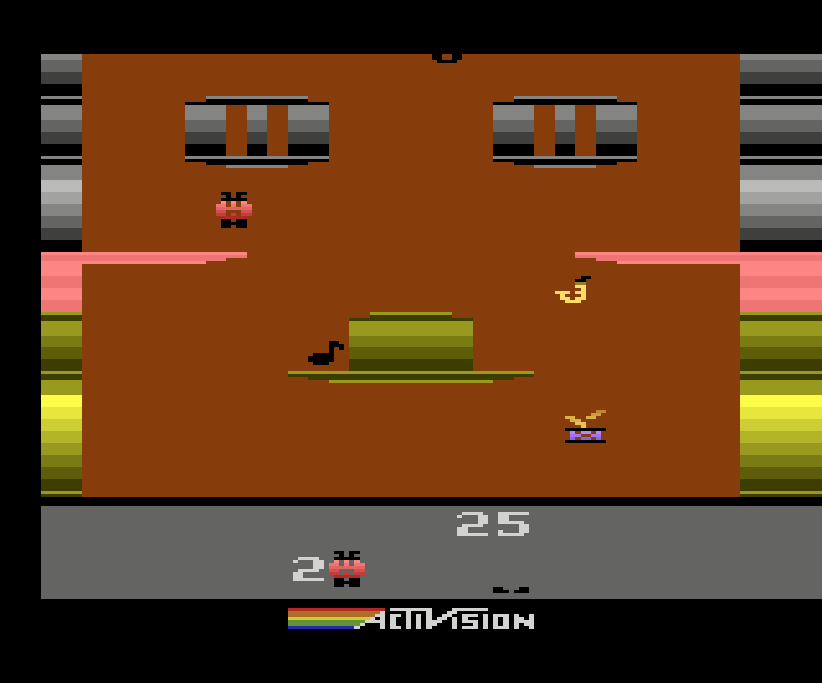
Less so Laser Blast, a minimal flying saucer shooter where you move across the screen, picking off ground targets before they get you, but the stiff movement and awkward firing mechanic make it hard to get into a groove with this one. Last few now, and Pressure Cooker, where you’re a chef in a frantic kitchen and have to grab ingredients to build burgers to exact orders while juggling a conveyor belt full of incoming chaos! It’s vibrant, clever and surprisingly demanding, with a pace that ramps up fast, though it can feel overwhelming until the controls click. Well, assuming there’s any controls left because our penultimate game is The Activision Decathlon (or Decathlon as I’ve known it for well over four decades), a brutal joystick‑wrecker featuring ten athletic events of pure endurance where the real challenge today is wrestling a d-pad instead! It’s impressive in scope but even if you do somehow get to grips (literally!) with the controls, any enjoyment will only last as long as you’re happy not being competitive on a modern controller. Or destroying your stick of choice! Last up is Thwocker, an unreleased prototype of a springy, musical maze‑bouncer where you ricochet around tight rooms collecting notes while trying to keep your momentum under control. It’s interesting but clearly unfinished, with no real structure to the levels, and you are unlikely to ever fire it up more than once. Which unfortunately is the case for a few games in this collection! It’s certainly the weakest of the lot so far for me, and once again, I’ll now maintain you could get one great compilation out of all three of them. That said, I’ll get my money’s worth out of Chopper Command, Dragonfire and Keystone Kapers alone, so it’s more or less fine by me. Which is also a fine place to finish this time, but hopefully I’ll see you again in three months, assuming the wife doesn’t catch me buying even more of this stuff first!
As always, I’ll never expect anything for what I do here but if you’d like to buy me a Ko-fi and help towards increasingly expensive hosting and storage costs then it will always be really appreciated! And be sure to follow me on Instagram, X (formerly Twitter) or Threads for my latest retro-gaming nonsense, and also on Bluesky, which is under my real name but most of it ends up there too if you prefer!

