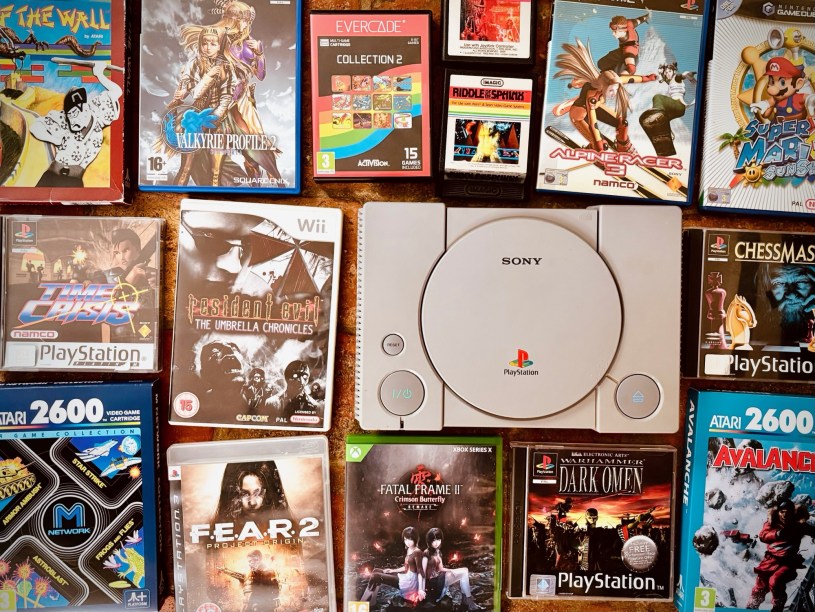
Back again for another instalment of my seasonal series covering all the retro-related bits and pieces I’ve been spending money on that I probably shouldn’t have been over the past three months! That period took in my birthday too, when I received a couple of PS4 games I’d played but had never owned in Resident Evil 7 and Rogue Trooper Redux, and also a couple of recent Atari 2600+ releases, including Avalanche and the M-Network compilation with Star Strike, Astroblast, Frogs and Flies and Armor Ambush on it. Unfortunately, as I write just after the event, I’ve not even had a chance to open them yet, so I’ll try and remember to start with them next time! I did also buy myself a new old original PlayStation – my brothers inherited my day one console in 1999 when the PlayStation 2 arrived and that was the last I saw of it, but long story short, for most of the interim – or since I recovered my old games from them at least – I’ve been playing them using backwards-compatibility on PlayStation 3. Never felt right though, so when the real thing appeared from a related search on eBay recently, I couldn’t resist at what ended up costing less than £20 and the negligible price of a new third-party memory card on Amazon! Apart from that, I wasn’t too naughty this time, and that PS1 sounds like a very good place to get into what else I’ve been buying…
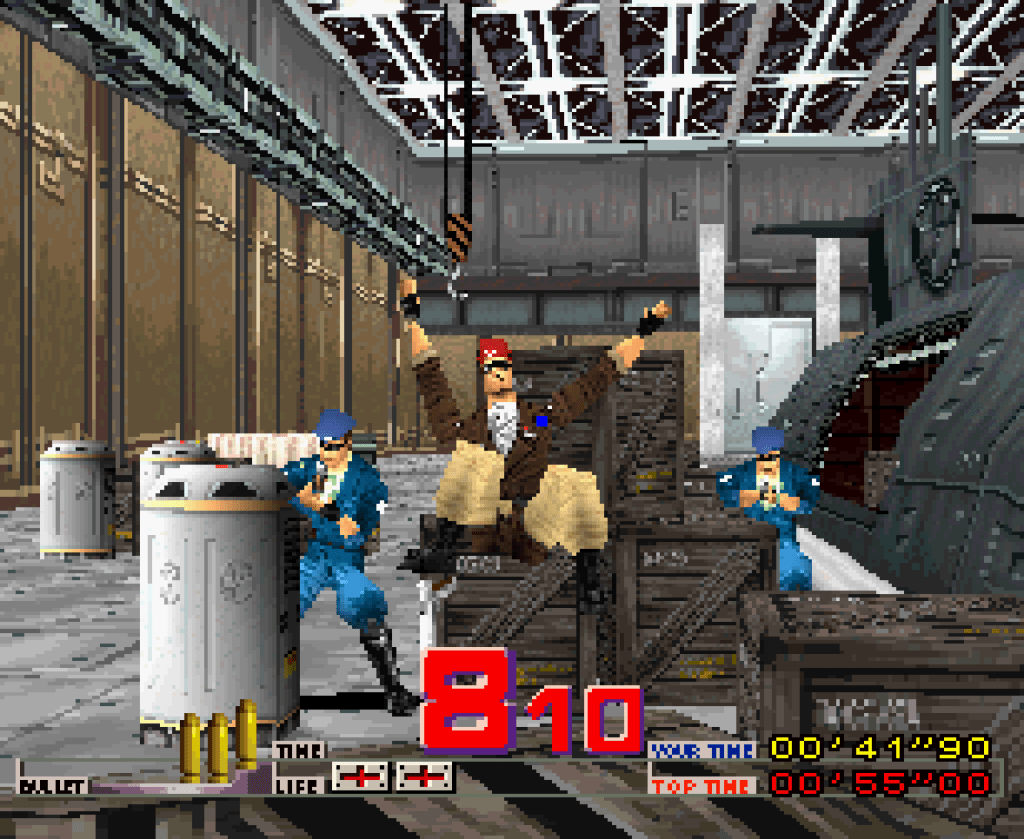
I was recently in CEX, re-buying a couple of PS4 titles I did previously own but sold (at a significantly higher price!) when they first came out, and as I was paying, I noticed a copy of Time Crisis for PS1 hanging on the display for unloved systems behind the counter, and for a fiver I reckoned it worth a punt, no light-gun anymore or not! Although it’s my first time owning a copy myself, I did play it loads on a friend’s PlayStation when it came out in 1997, and I was pretty familiar with the pioneering first-person rail-shooting arcade original from a couple of years prior as well. Hell of a port back then too, apparently built from the ground up by a dedicated team at Namco tasked with getting the most out of the console (and a G-Con 45!) rather than simply converting it. Which does mean chunky textures and the enemies are a bit low-poly, but the superb art direction (not to mention straight-to-video narrative!) carries it to his day, with some great use of colours, slapstick animations and sweeping transitions from one set piece to the next. All the heroic energy of the arcade soundtrack too! Playing it now with a regular controller isn’t ideal though – playable but the gun peripheral brought an immediacy you just can’t replicate, so what was subconsciously perfect pacing takes a hit as you try to manage the cursor rather than simply snap to a target. It results in a kind of friction that’s not meant to be there and does interfere with the frantic action. Maybe not as intended then, but I’ve been loving these things all wrong since Operation Wolf on a Kempston joystick on the ZX Spectrum, and it’s still a great game however you play, and definitely worth what I paid for it!
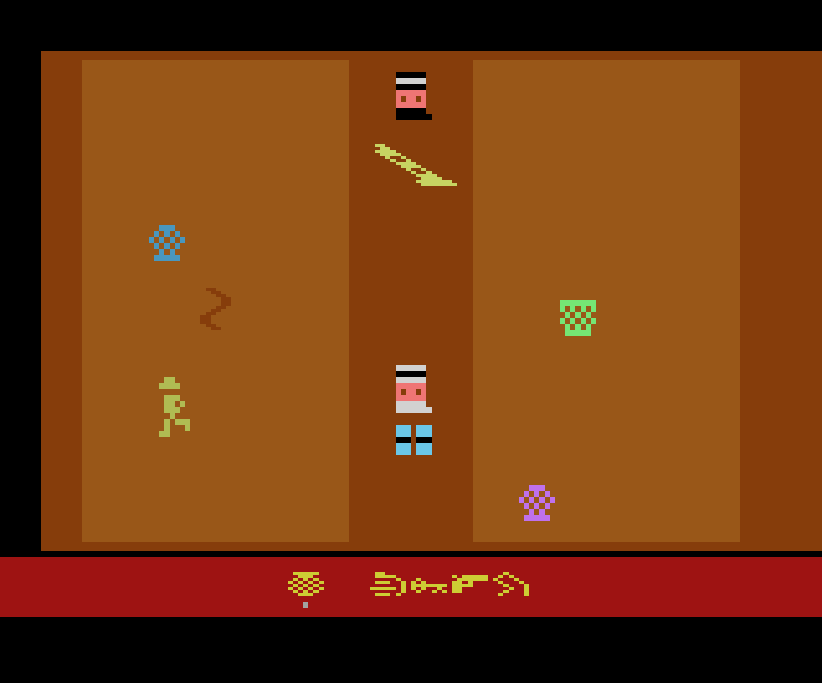
Raiders of the Lost Ark on the Atari 2600 is ambitious way beyond its means, although in this case, that doesn’t seem to have done it as much harm as it did certain other well-known movie tie-ins on there! This one was just a few years ahead of its time, playing across multiple screens, introducing inventory management and item combination, trading and timed events, and generally predicting The Legend of Zelda all the way back in 1982… Not least demanding you read the manual inside out! I have to admit though, despite the manual coming with the original cartridge I picked up a couple of months back, it still took me a while to appreciate any of that, with just moving my little Indiana Jones across the desert sands enough of a challenge before even thinking about wrenching a second joystick around at the same time to manipulate anything I’d managed to pick up! Yep, you read that right, two at once, which is as much of a puzzle as any actual puzzle you’ll come across in the game later! And those puzzles are so obtuse, but then so are some of the regular screens you’ll attempt to negotiate to get to them, with those clunky controls further compounded by some infuriating design and visual cues that are more unrecognisable than they are simply primitive! You’ll possibly recognise a “rendition” of the theme tune though, and persevere a while (and read that manual again!) and a logic starts to emerge, and a rhythm, and experimenting with everything – almost Monkey Island-style – starts paying off, and its movie-adjacent, relic-hunting narrative starts to take precedence in your imagination over the of-its-time-and-place presentation. And it’s suddenly not just impressive for what it’s trying to achieve, but is a pretty decent adventure too, even if I would still rather be playing E.T. – gets far more hate than it deserves, that game!

Since it first appeared in 2002, as of a couple of months ago I’ve now sold two and bought three copies of Super Mario Sunshine on the Nintendo GameCube! The thing is, although I sometimes get the urge, I’m really not into 3D platformers, and this pretty much encapsulates all the reasons why! There’s the dreadful camera controls that struggle to keep up with the action. There’s the pixel-perfect movement demands on sloppy associated controls. There’s the dodgy physics and unpredictable jump mechanics… And it’s all at once and all the time, and then you’re also wrestling with the stupid water-powered jet-pack that sprays everywhere except where you need it to, and then the water’s run out and you have to start again… And those stupid impossible boss fights, and lily pad rides, and pachinko machine levels… Okay, I know Mario Galaxy fixed all this stuff but despite everything, it still didn’t grab me like this one did when it first came out, and apparently sometimes still does to this day! It’s just so tropical and sunny and happy and gorgeous, taking that pioneering sense of adventure from Mario 64 to a whole new level across big and varied and oh so colourful environments that just beg to be explored for every last blue coin they hide! And when it works, it feels great, driven along by a surprisingly engaging story about clearing your name after being accused of polluting this idyllic island, and is filled with the best-looking renditions of all your favourite characters (and some new ones) that we’d ever seen to this point. They’re voiced for the first time too, backed by a fantastic summery soundtrack, wacky effects and really atmospheric ambient sounds. No escaping there’s bits that really stink but I reckon once you tame it, that big water spray thing on your back can get rid of most of them too, which might be why I seem to have acquired it again!
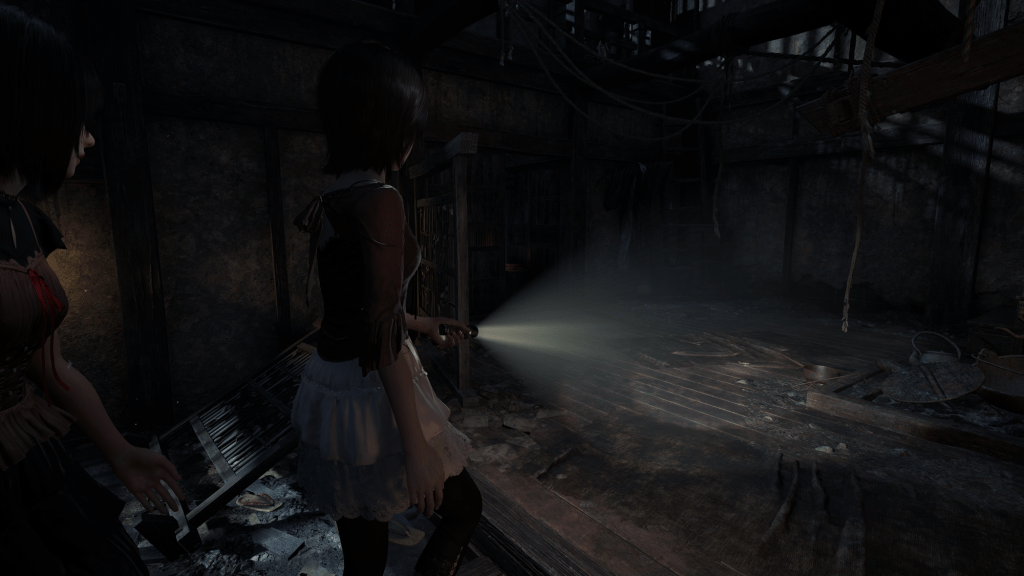
I know it’s not exactly retro, but the source material definitely is so we’re not far off… Whatever, I picked up Fatal Frame II: Crimson Butterfly Remake when it released back in March, and I liked it enough to include it here! From what I remember, the original PlayStation 2 game from 2003 was always a bit niche, overshadowed by Silent Hill and Resident Evil, and on one hand maybe a bit too Japanese for its own good, while on the other, it got a generic local renaming, Project Zero 2: Crimson Butterfly, which probably hurt its cause even more! Bit of a quiet masterpiece of survival-horror all the same though, that would become the very definition of a cult hit, and together with the series going dormant for many years (although it actually got the remake treatment already on Wii back in 2012), it’s a pricey addition to your collection nowadays too, so this new version was very welcome to me having never got a copy, not for the want of trying! The plot is classic Japanese folk-horror meets ghost story, as sisters Mio and Mayu stumble upon the abandoned All Gods Village, where a failed ritual has left it frozen in time and haunted by the understandably irked spirits of its former inhabitants.
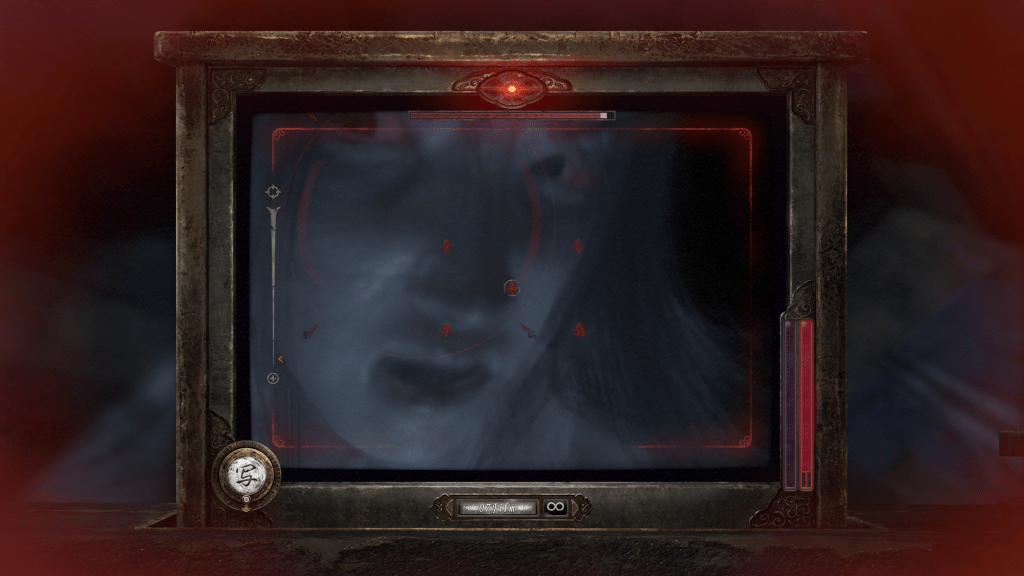
They soon also stumble upon the Camera Obscura, which Mio must use to fend off vengeful ghosts, as simply trying to escape turns into a tragic tale of sacrifice and sorrow, which Mayu is suddenly right in the middle of. It’s all built on dread rather than spectacle, which the original apparently pulled off spectacularly regardless, and this does the same again, not only with the expected lick of very atmospheric paint and mournful sound design, but it more or less plays like a modern game now too! Not that anything’s particularly transformative, in the way that Resident Evil 4 Remake was, for example, settling for reverence over ambition. It’s nowhere near as polished either – lighting can be off, animations can be stiff, “combat” even more so, and some environments look more remastered than remade, and not always to great effect. It’s still a beautifully haunting and consistently unsettling experience though, with no denying it knows its J-horror, and there’s loads to uncover and get easily sidetracked by too. And while it could potentially have offered more overall, I absolutely loved my time with it – it properly got it hooks into me from the very outset, and there were so many times I was just left with a big grin on my face, at least until I remembered how much I’m inevitably now going to spend on finally getting hold of the original!
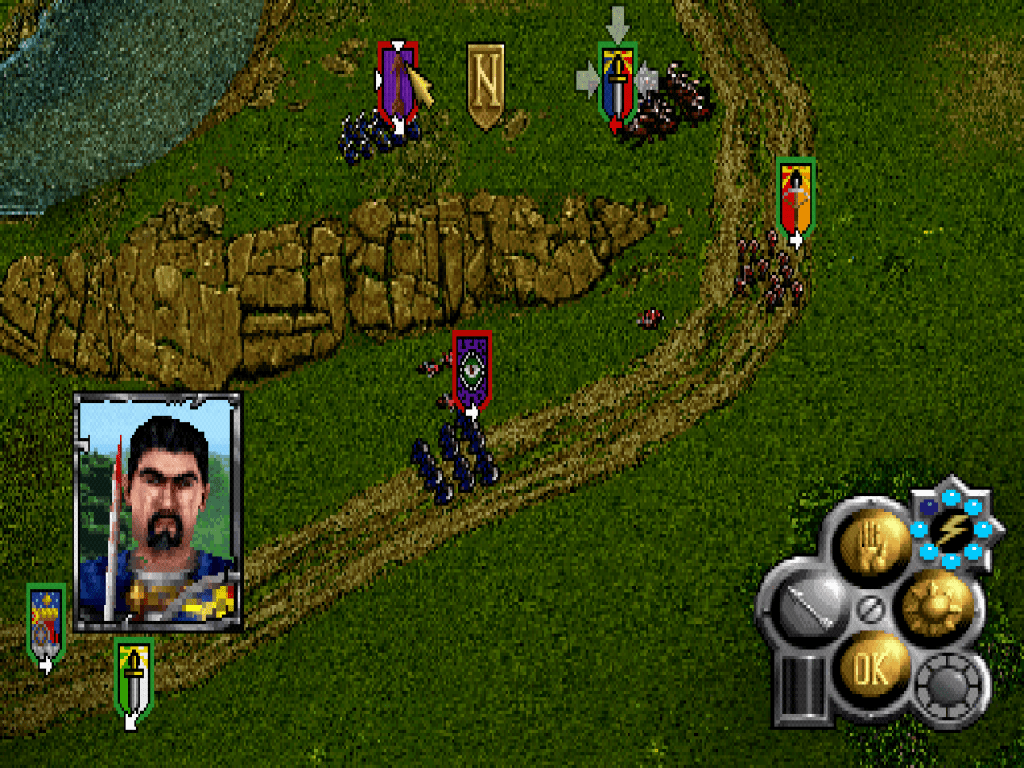
I’ve now solved the majority of the mysteries of my early gaming history – mostly forgotten names of arcade games I’d briefly enjoyed many years before, such as Bagman and Hydra, but there was one game I had a demo for on an old work laptop that never did ring any bells… Then Retro Gamer magazine did a feature on some Warhammer stuff a few months back, and there was a familiar-looking screenshot, captured from a game called Warhammer: Blood Omen on the original PlayStation… Mystery solved! And although it wasn’t where I’d originally played it, a quick test on emulation confirmed my hopes, and a proper copy soon followed! This was originally released in 1998 – which also ties in perfectly with when and where I remembered first playing it (on the sofa in my now-wife and I’s first flat together in East London) – and is a real-time tactical war game, obviously based on Games Workshop’s medieval fantasy tabletop games of the same name, where you command a mercenary army against The Dread King and his undead horde. There’s a load of nerdy backstory if you want it on top too, but you’re effectively going from battle to battle across the expanse of the Old World, taking on orcs, goblins, zombies, evil wizards and the like with your own infantry, cavalry, artillery and magical forces.
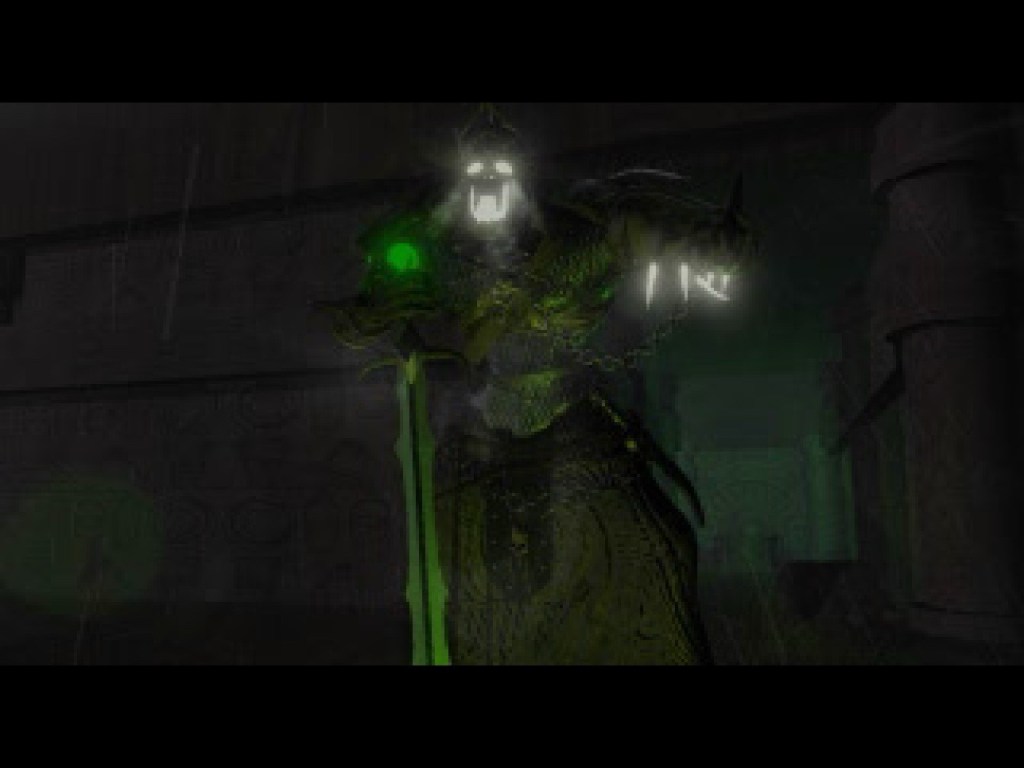
Oh yeah, obviously it was mandatory for everything to be 3D around this time too (although strangely not everything here is), but in this case, it did bring different terrains to life and line of sight into play with your archers and stuff, which I seem to remember was one of the innovations that kept me going back to that demo, albeit clearly not enough to actually buy the thing for thirty years… In my defence, we were very poor back then! Anyway, it’s atmospheric and authentic enough but hardly a visual or audio feast – which would have been another factor when so much was – but in retrospect, it does what it needs to, and the interface is pretty intuitive, and once you’ve got the hang of it, getting around it with a PS1 controller isn’t too offensive either… Just a bit fiddly! There might be a bit of rose-tinted when it comes to the gameplay though – it’s fun and all but I’m not entirely convinced about how much strategy is at play against the computer. Two player too though, in the unlikely event anyone into this has a friend to play with, and there’s plenty to keep you busy solo otherwise, with persistent losses and the Warhammer narrative (complete with some, er, lovely FMV) propping up deficiencies elsewhere once you eventually work out how to win every time! For me at least, it might have cost more than I’d normally pay for something like this, but I reckon I’ve had my money’s worth, and not wondering what it is anymore is priceless!
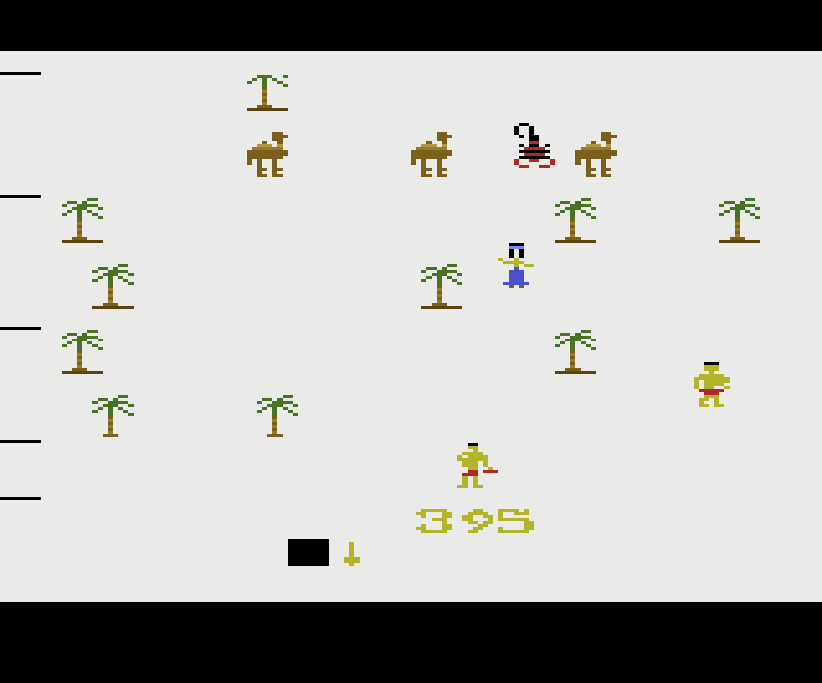
Not sure what it is with Ancient Egypt and needing two joysticks on the Atari 2600, but Riddle of the Sphinx is another one that does, so we’ll go there next while they’re both still plugged in! This was by Imagic in 1982, and is another of those quietly ambitious Atari 2600 epics that returning to today seems slightly out of sync with the system it’s running on. It has you taking the role of the Son of Ra, no less, trekking across a vast, scrolling Ancient Egyptian landscape to lift a curse by gathering sacred items, navigating deserts, temples and some unnecessarily cryptic hazards. And speaking of unnecessary, those two joysticks, with the left one moving your character and the right one managing your items as well as your divine powers. I didn’t mention it earlier with Indiana Jones, but fortunately my old QuickShot II was still plugged into the Atari ST sat next to the 2600+ console I’m playing these new old cartridges on, but all the same, it’s another strange and awkward proto‑RPG control scheme they’ve gone for ahead of their time. It all adds to the game’s intended grand scale though, I suppose. Visually, it’s vintage Imagic, with typically shimmering colour schemes and boldly primitive but character-filled goings-on, giving it a surprising sense of place that more than makes up for the far less atmospheric beeps and blips accompanying it! Hardly a thrill ride though, with a deliberately slow pace that does at least allow you to get your head around the not-straightforward-at-all mix of exploration, combat, resource management and item usage. And that’s all rewarding enough once you get into its head, but I can’t help but think it’s yet another addition to that list of 2600 titles I now own that are just a bit too ambitious for their own good.
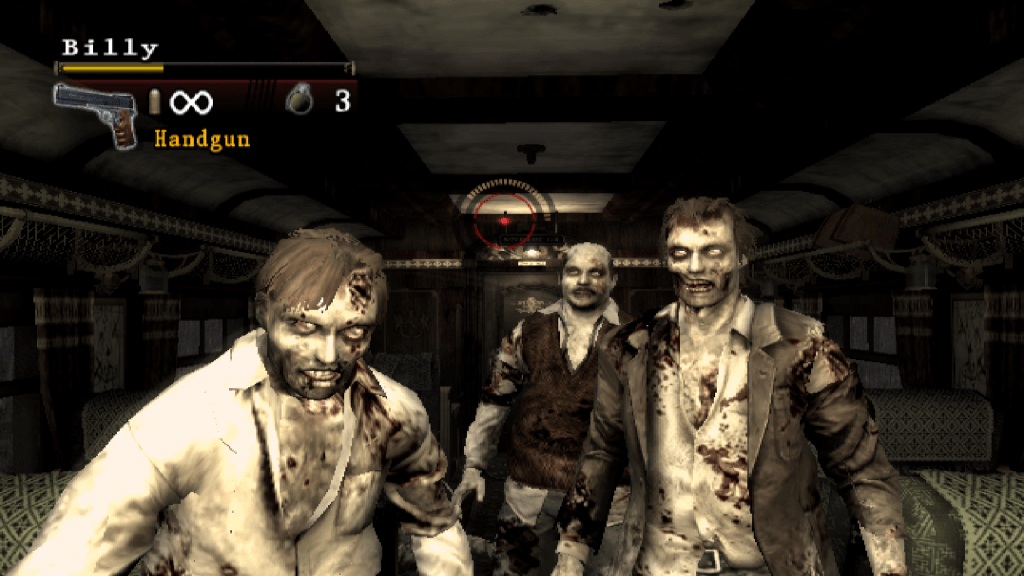
I always think of my Wii as something of an unloved system in our house, despite it having survived all this time under the main TV in the living room, unlike every other one I own apart from the “current” Xbox Series X and my Evercade VS! I suppose the main reason is I don’t actually own it, so it wasn’t mine to move – we bought it for our young son in its heyday, although he showed barely any interest at the time, let alone now! I do occasionally still buy the odd game for it though, which is how I’ve ended-up with a copy of Resident Evil: The Umbrella Chronicles. It was originally released in 2007, and is one of those light-gun rail-shooters that have always played better on here than other “modern” consoles (such as the PlayStation 3 in this case) because actual light-guns don’t generally mix well with modern TVs, but no such problems with a Wii Remote! The game is a bit of a greatest hits revisit and retelling, picking up some of the key zombie-infested encounters that shaped the early series, like the express train from Resident Evil Zero, the Mansion from the original, and what’s left of Raccoon City from Resident Evil 3. It adds a new chapter too, Umbrella’s End, getting into the collapse of the corporation that was only really hinted at elsewhere. You jump between familiar characters too, like Rebecca and Billy, Jill and Chris, Ada and Wesker, who are all played as campy and amateur dramatic as you’d expect, over some nasty (in a good way) sound effects and a typically theatrical score. The Wii’s typically soft visuals suit the gloomy environments very nicely too! Gameplay is effortlessly point, fire and flick to reload, more forgiving than something like Time Crisis from earlier but more methodical than the otherwise quite similar House of the Dead, with a right old menagerie of undead enemies that stagger and moan and turn to goo convincingly as stuff splinters and explodes all around them, and then you’ve got desperate, screen-filling boss fights as well. There’s also branching routes, secrets to find and alternate scenarios to unlock and come back to as well, and once you find its rhythm – a few dodgy checkpoints aside – it can still very quickly put a smile on your face and keep it there for the duration. I’m messing around with a first-person rail-shooter top ten at the moment, but despite this coming from one of my all-time favourite game series, it’s one I’d never played before. That said, I reckon is already in with a real shout of finding its way onto the list!
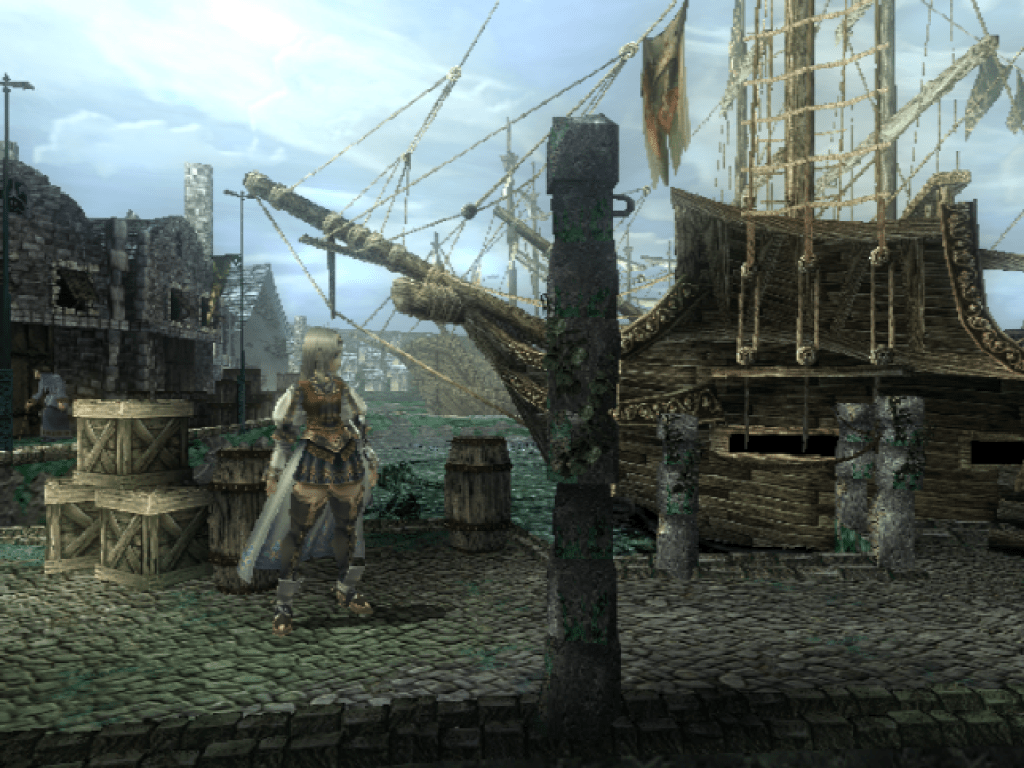
Luxurious Square Enix RPGs aren’t typically my thing, but sooner or later I find myself in the mood again, which is how I’ve ended-up buying a copy of Valkyrie Profile 2 Silmeria on PlayStation 2, all the way from its later years in 2007 (in Europe at least). That it was this one in particular was originally for very superficial reasons too – I was simply watching a “best graphics on PS2” video a while back and there it was. And honestly, that ongoing visual wonder is the main reason I’m still persevering with it several weeks on – I can take or leave both the overly-involved gameplay and the typically melodramatic fantasy narrative, but it really is one of the most stunning things I’ve ever seen on there! It’s all lavish, medieval-style pre-rendering with these gorgeously detailed character models and the most exquisite lighting and particle effects for the time. No on-screen clutter is nice too, as is a wild baroque-prog soundtrack, albeit countered by exactly the twee voice-acting you’re probably already imagining! I’d have just preferred something a bit more Final Fantasy in design, rather than side-scrolling dungeon-crawling with obtuse navigation and puzzle-platforming elements, and this fiddly semi-real-time combat system built on complex party management and tactical positioning, and action points, break gauges, attack chaining, combo routing and other sub-systems that just make my eyes glaze over and I’ll never get the most out of. I can just about get enough out of them to keep the spectacle coming though, even if I’m not sure how far into its apparent fifty hours or so that’s ever going to get me at about one quick session a week now. But as alaways, as long as it’s enough to get my money’s worth then that’s fine!
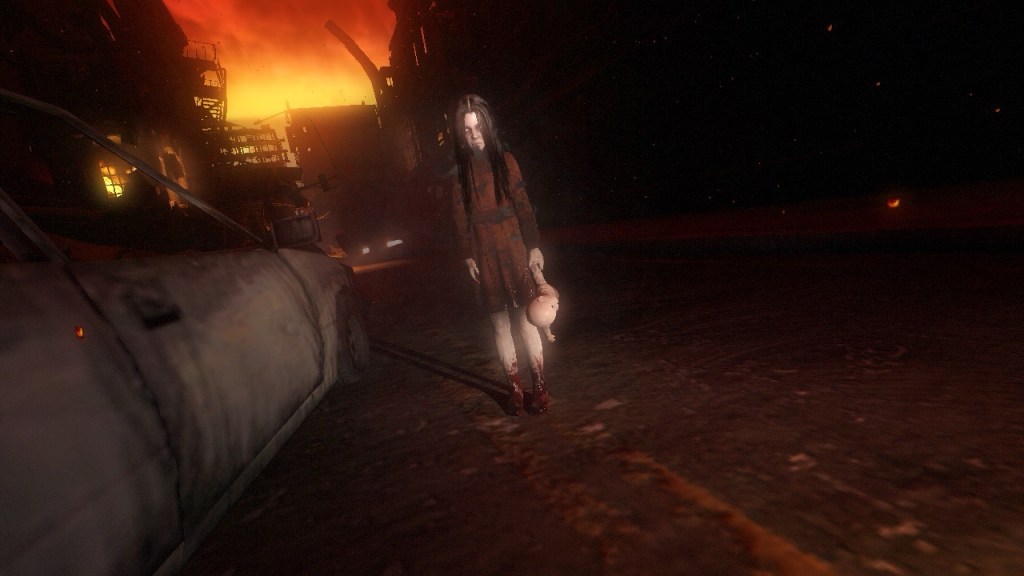
I bought F.E.A.R. 2: Project Origin for PlayStation 3 on a whim – it was going cheap and I seemed to remember having a good time with a rented copy of the original F.E.A.R. (First Encounter Assault Recon) when it first came out in 2007, not long after I got my PS3. This sequel came in 2009, and once again mixes first-person shooting and psychological horror, with you playing as a special forces operative on an extraction mission that goes wrong when a psychic shockwave devastates the city and draws him under the growing influence of the super-psychic young female entity behind it. What follows is a post-apocalyptic world of disturbing visions, secret experiments, J-horror nightmares, mysterious paramilitaries, and some very cool mechs to help you take them down! All the same, as an FPS it’s a seven out of ten – combat feels good, and there’s loads of weapons, reasonably intelligent (if not massively varied) enemies, and it’s generally a lot of fun, albeit without breaking any boundaries. The supernatural creepiness soon starts to elevate it though, and it’s just so polished too, from the exquisitely detailed and impressively destructible environments to its superb sound design, and combined with an increasingly engaging (but consistently big and dumb) narrative, ends up being far more than the sum of its parts. Doesn’t outstay its welcome either, ramping everything up nicely towards a suitably dread-filled and desperate – if slightly abrupt – scary old climax. Really nice time overall, and I’m definitely up for looking out for the next one now, and maybe my own copy of the first game too!
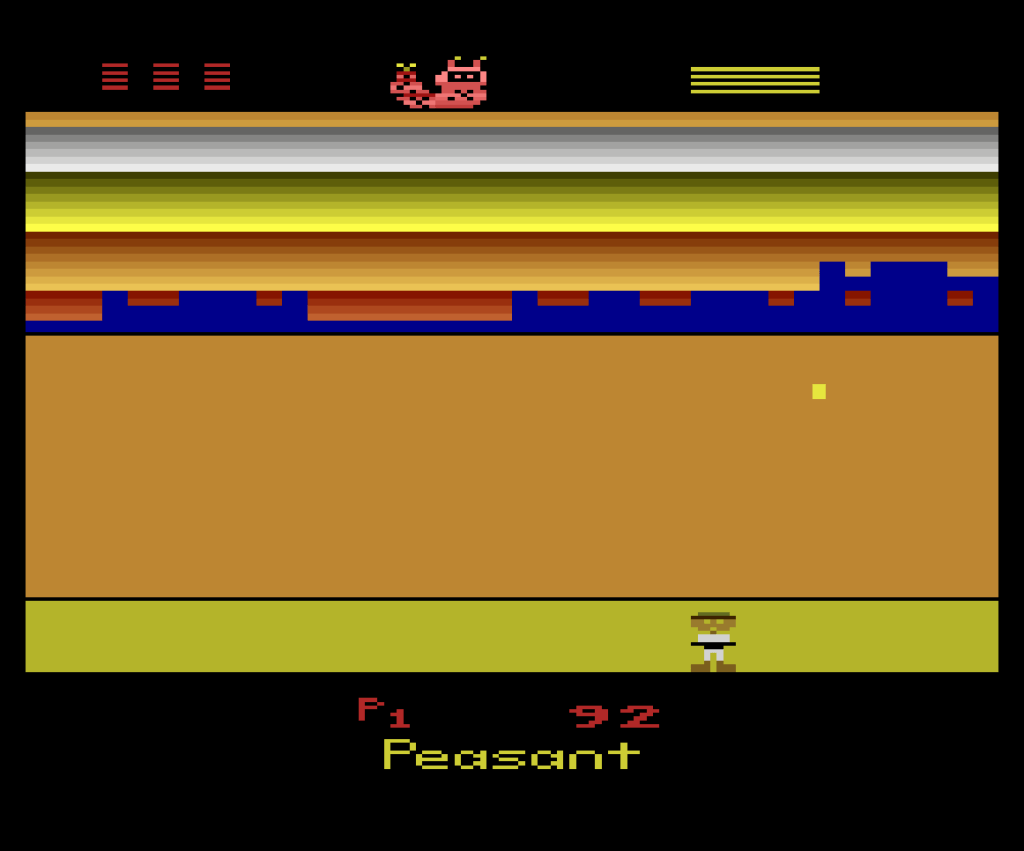
I’d always assumed that Atari’s off-the-wall take on Breakout from 1989, Off The Wall, would use the 2600’s paddle controllers, so I can’t say I wasn’t a bit disappointed when I picked up the original cartridge a few months back (complete with box this time!) and discovered it didn’t, because it’s really crying out for them! One of the last games they ever released on the system though, so maybe they were just moving on like pretty much everyone else had by then… Actually, I already owned an Atari ST when this came out! Anyway, it’s a “modernisation” of their original brick-buster, rounding the circle from stuff like Arkanoid with a bunch of power-ups, and applying a kung-fu theme, which I think most people were about done with by then too! Despite all of that, good game though, which I why I’ve had it on my eBay wishlist for the past year, first patiently waiting for it to actually appear, then at a decent price. You play a little guy called Kung Fu Lu, who you move across the bottom of the screen, bouncing the mystical ball or whatever to smash a very vibrant brick wall to get at the evil dragon prancing about at the top. Once you clear the wall (and the very caterpillar-like dragon for big bonus points), it’s onto the next level. The power-ups are the usual suspects, with bombs, slowdowns and stuff, but there’s a nice one that allows you to steer the ball, and then there’s also a bird that sometimes gets in the way, and that’s about it apart from three difficulty levels and two player modes, where you weirdly share the same wall but go one after the other. Joystick or not, I reckon it still plays better than Breakout and Super Breakout on the Atari 2600 (and I’m fond of both), with smooth and precise-enough movement that also benefits from being relatively forgiving. It looks and sounds really good too (again, relatively!) with loads of colour, madcap animation and constant little ditties playing. Maybe not exactly what I wanted, but I’m happy with what I’ve got.
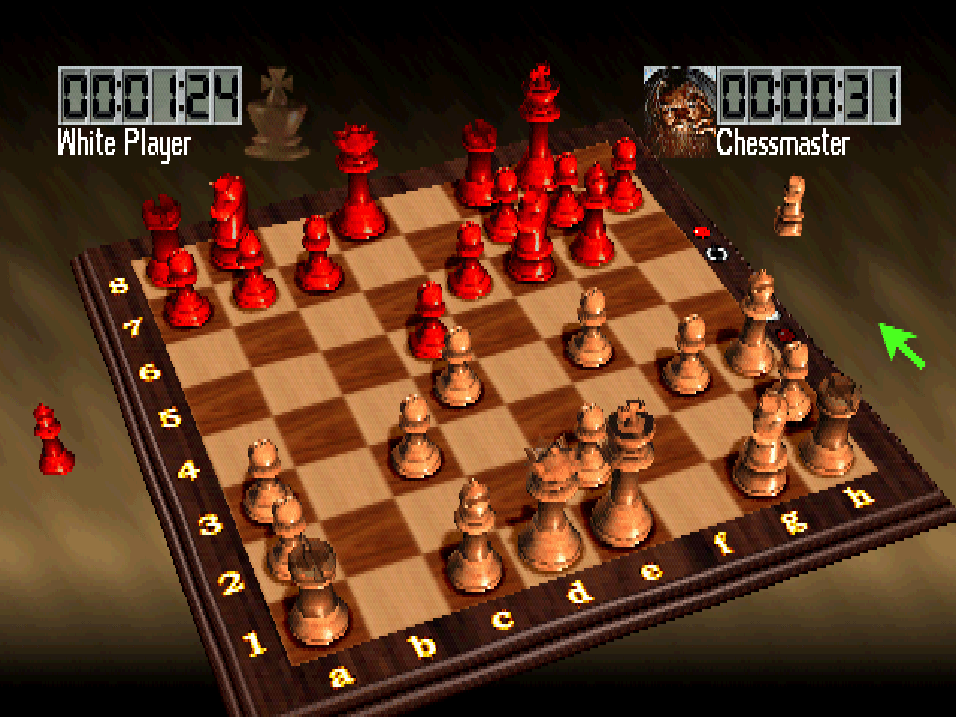
I always worry about covering chess games here because, having only got into it relatively recently myself, I remember perfectly well how boring it is to everyone else! Oh well… I picked up a copy of The Chessmaster 3-D on the original PlayStation a while back, having been enjoying it for ages on emulation and thinking it finally deserved a belated purchase. I’d never even played its 1999 follow-up, Chessmaster II, though, so when I came across it on eBay, I couldn’t resist! Not that it’s massively different to play, but where 3-D was all about giving you exactly that, this one is more focussed on a clean, immediate, frictionless game of chess first, then worrying everything else – via a hundred customisations (including every visual preference under the sun) – later! That said, the presentation here is a step above the last game right from the off too, maybe less “atmospheric” but very polished and easy on both the eye and the ear, with laid-back, deliberately functional commentary over a pleasantly neutral, almost ambient soundtrack as you play. I love that the back of the box talks about “real time board zoom and rotation” too, like it was still a big deal by then or anything you’ll ever do more than once to try it out, but that works fine too, as do the twenty-four different chess sets at hand, with a choice of 3D and 2D views to your taste, all of which feature instantly identifiable pieces, and as just said, you can tweak literally everything, right down to the type of wood that the table the board’s sitting on is made from. That goes for audio, interface and general ambience too, but more importantly, the real customisation lies in the game itself, where you’ve got a whopping sixty-four human-like computer “personalities” who all have their own play styles, skill levels and even biographies, then thirty more Grandmasters, and of course, you can play head-to-head with a real person too. Then there are teaching options, and you can mess around with rules and scenarios and things, but like its predecessor, you can also just have a really nice game of chess, and that’s what I really now love the pair of them for!
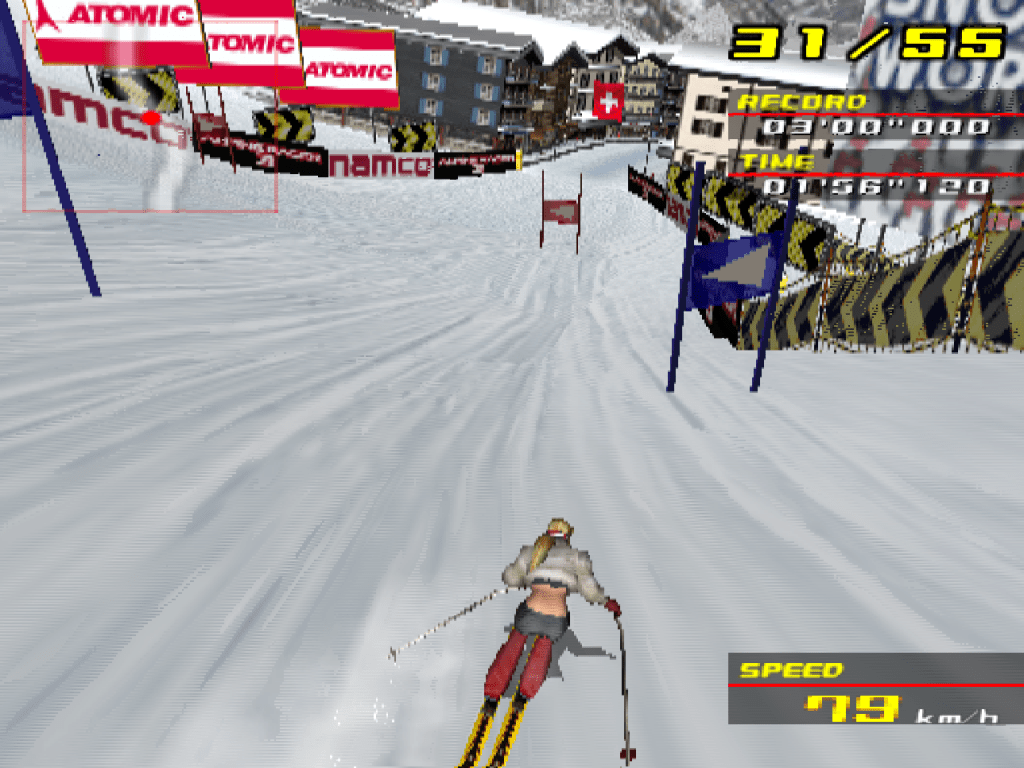
What seems like ages ago now when the Winter Olympics were happening, I got sucked right in as usual and was trying to get Alpine Racer, Namco’s arcade spectacular from 1994, running on my crappy laptop… Which soon became apparent wasn’t going to happen! It’s generally fine with PlayStation 2 stuff though, so as an alternative, I tried Alpine Racer 3 on there instead, and I was instantly so taken with it that I bought a physical copy! This sequel was a 2002 exclusive on there, still developed and published by Namco, and continuing on from the previously arcade-only snowy racing thrills of that first game, then 1996’s Alpine Racer 2 (which had more skiers to choose from), and Alpine Surfer, a snowboarding spin-off from the same year. What it lost in fancy stand-on controllers, it made up for in expanded gameplay, with five modes including a big downhill tournament, slalom, cross racing against three CPU players, time attack and split-screen multiplayer, with loads of courses to open up as you go. And as you can see from the screenshot here alone, it’s no SSX, but once you’ve got a feel for how things control, and the authentic-ish approximation of friction between ski (or board) and snow, it’s a really nice arcade racer with plenty to keep you busy! Great sense of speed too, and although the visuals are generally no great shakes (and even more so the lightweight sounds and dreadful lounge-synth music), it’s got enough of a sense of scale and being on a mountain, combined with some neat environmental effects and rider personality, to create a bit of atmosphere and identity alongside what’s admittedly a very short-term variety of ways to race – no career stuff or particular progression apart from some equipment to unlock, which is a shame when there’s a bunch of characters and disciplines to try and perfect. All the same, as an arcade throwback on a throwback system, there’s something there that’s easy to enjoy and ideal for quick bursts… Which are something I’ll never manage with my beloved SSX 3, so there’s my justification for buying it right there!
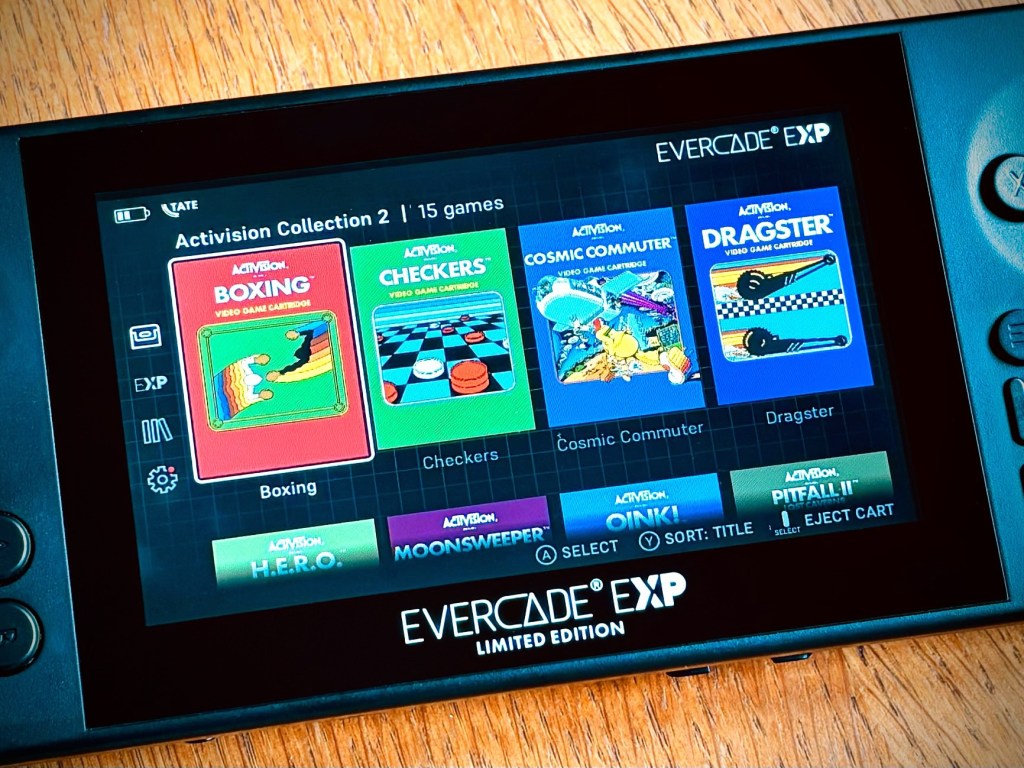
Following on from all that snow, which is hopefully well behind us now, I’ve got a flurry more Atari 2600 games to finish with but don’t worry, we’ll get through them all at once this time! I was thrilled with Activision Collection 1 for Evercade when it arrived at the end of last year, but as surprisingly hit-filled (and favourite-filled) as it was, there was enough not there to make me hopeful for at least one more… And there is – Activision Collection 2! It includes another fifteen Atari 2600 titles from the early eighties, most of which came from what I think was the very first third-party video game developer, although once again, I also think there’s at least one title here they picked-up from acquisitions along the way. I’ll quickly run through the games in a sec, but as usual with these, they’re all on a cartridge that comes in a box with a really nice manual – as I said when I looked at the first collection (here), originally these games often came with War and Peace despite their general simplicity, and the folks at Blaze have done their usual great job making the instructions digestible! Firing it up will then give you the regular Evercade (sortable) menu experience, with various display and other options on offer, and a button press taking you to an attractive information screen with an overview of each game, controls, stats and direct access to your last save-state. You also get a handy list of different game modes, which was typical of 2600 games, and will save you a lot of messing around in-game! Which brings us to the games themselves…
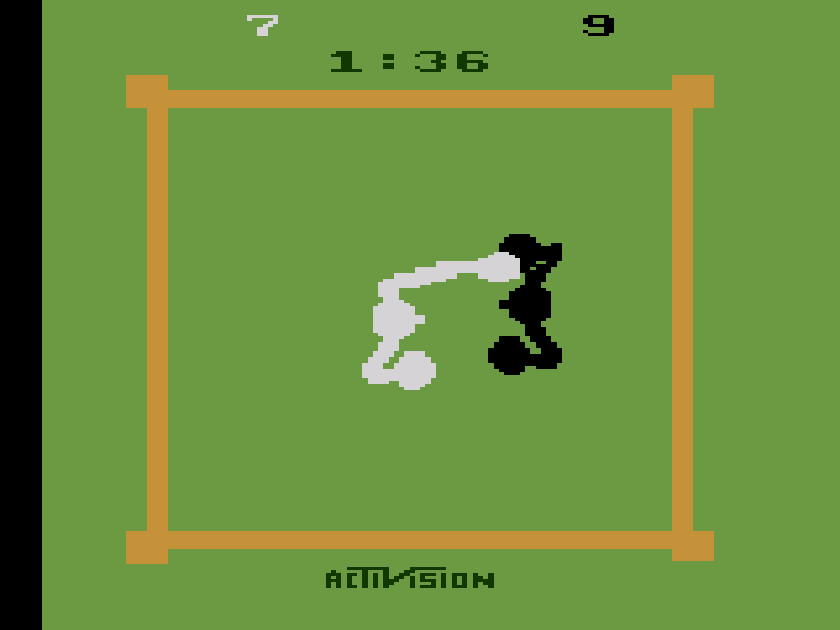
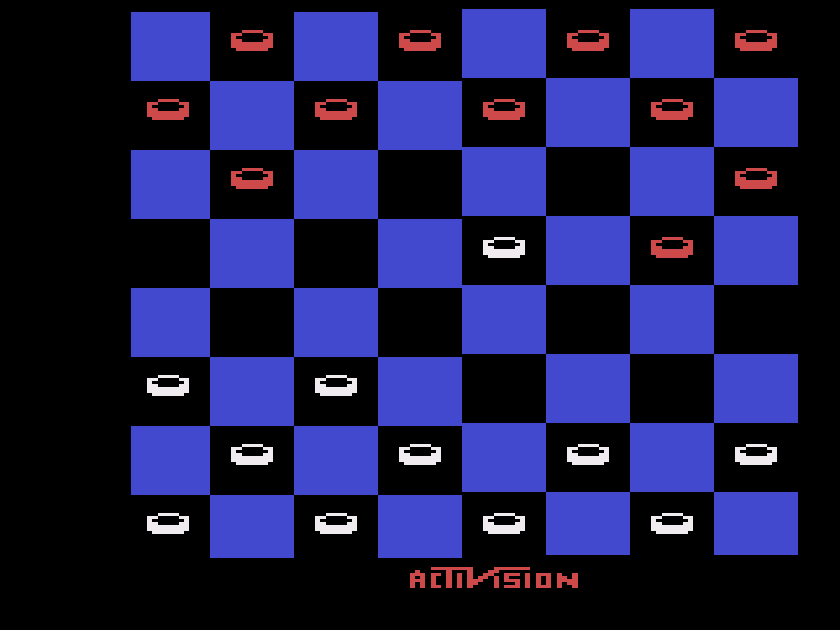
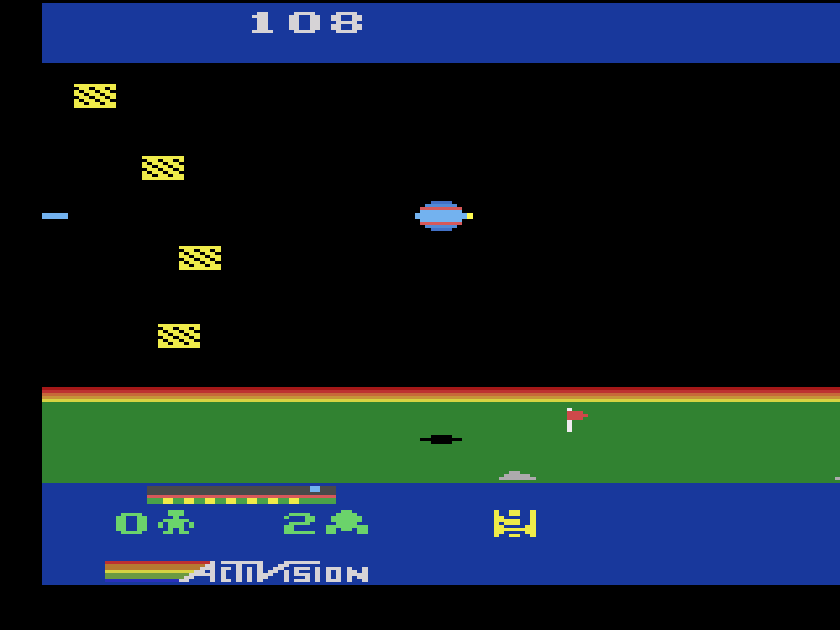
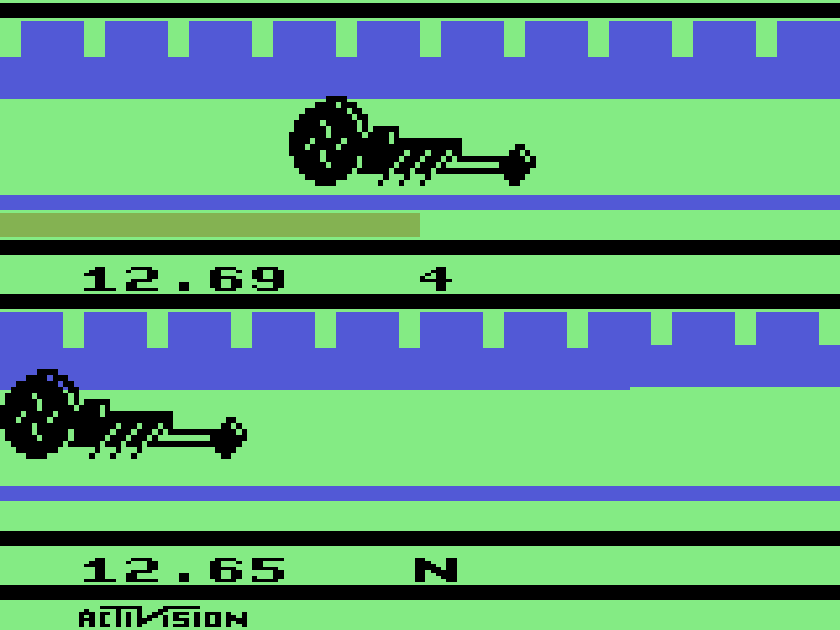
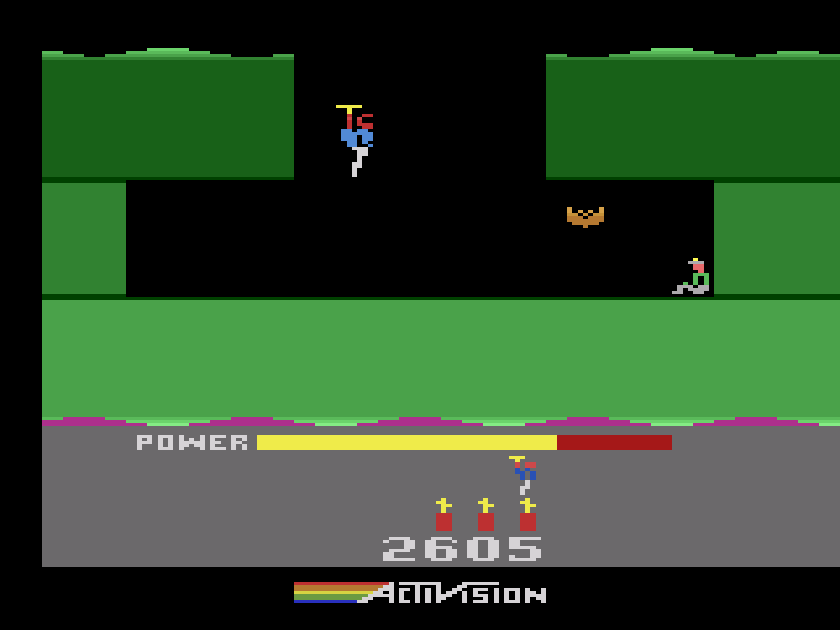
I’ll go with the default alphabetical order, meaning we’ll start with Boxing, a simple but surprisingly tactical top-down face‑puncher that’s fun in short bursts if you’ve got a friend to play with, but not so much if not. First 2600 game I ever played too! Less glamorous next but I really like Checkers, a bare‑bones but competent digital board game with three computer skill levels or two-player, and you know exactly what you’re in for either way. Cosmic Commuter is the other extreme – a quirky mix of Lunar Lander, Chopper Command and Space Taxi that’s fun for a while but I’d play any of them first. Dragster was a bit of a graphical showcase at the time, as well as being a lightning‑fast test of timing and precision that only lasts a few seconds but is once again great fun with a friend and less so solo, where you’re playing a two-player game but against the clock alone like a proper sad case while the other car never moves! You don’t often see H.E.R.O. on compilations like this but it’s an undoubted highlight here, giving you a brilliantly ambitious cave‑rescue adventure that’s one of the system’s greats!
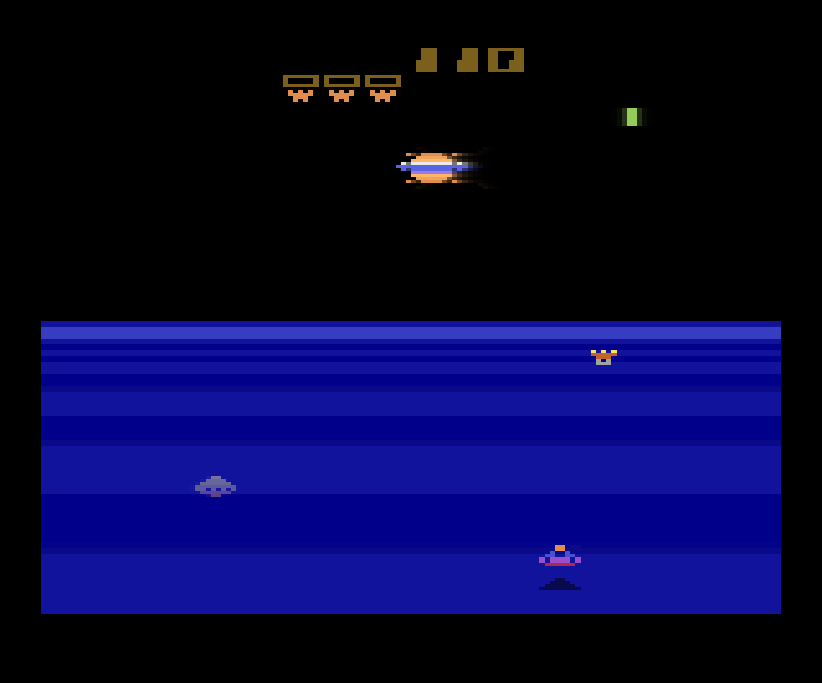
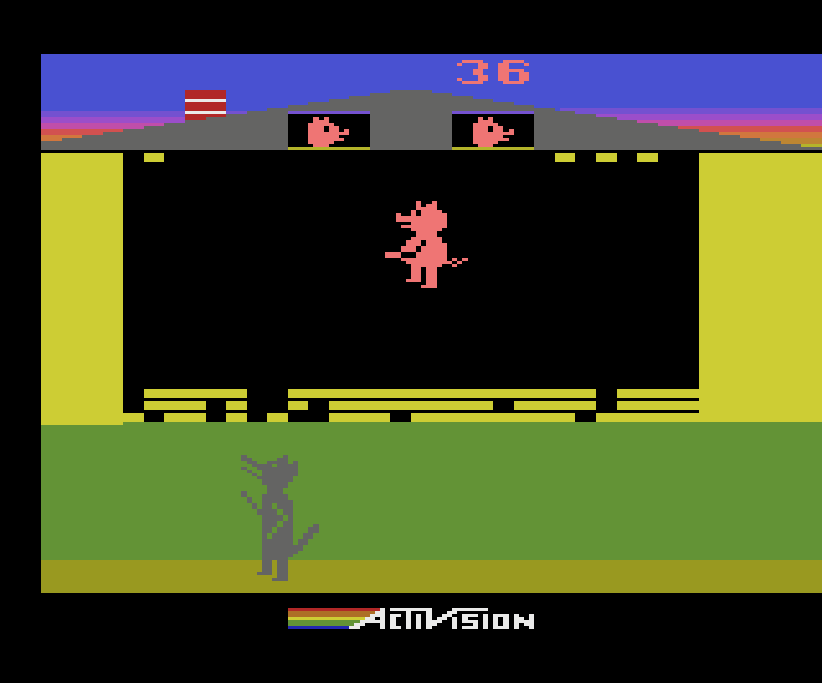
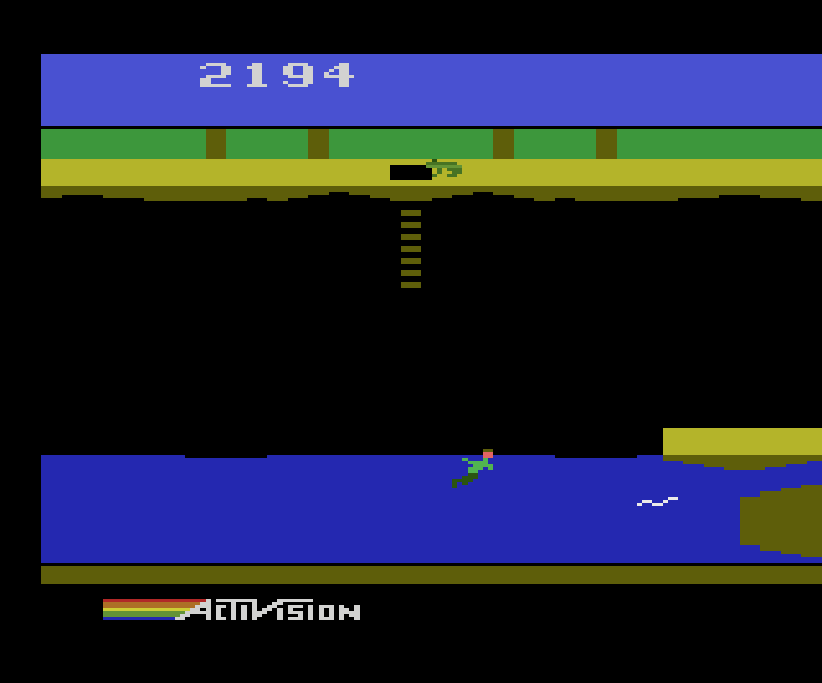
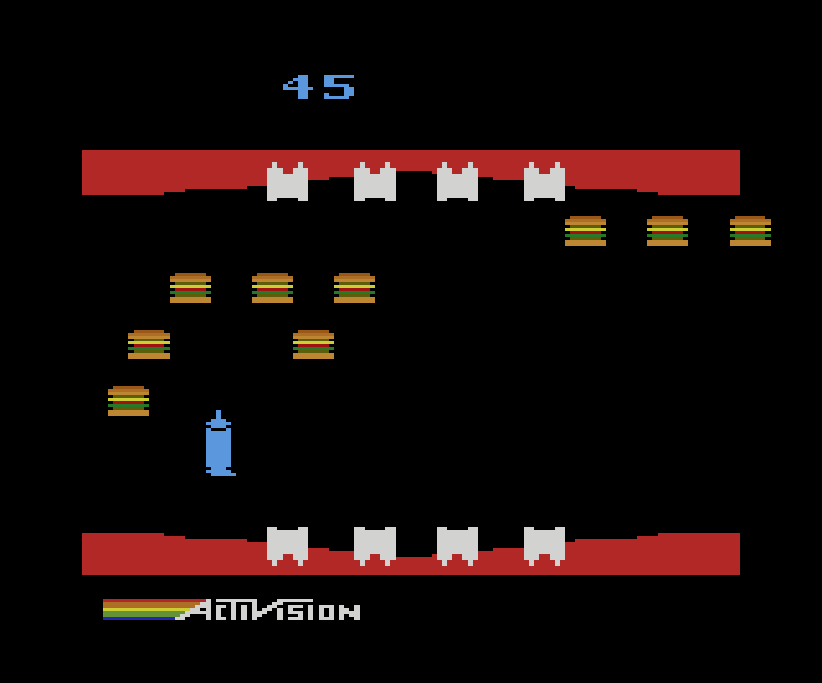
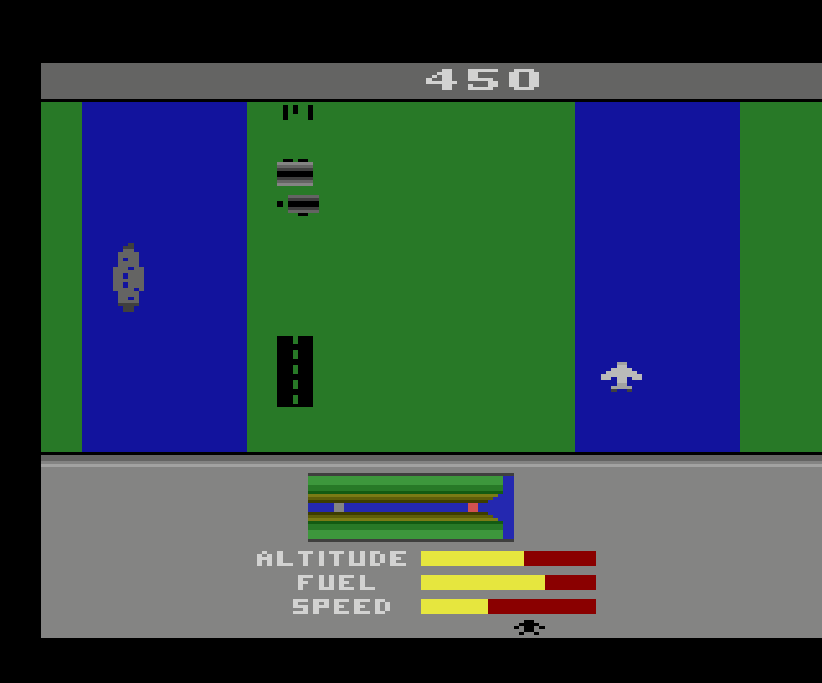
Speaking of which, Moonsweeper is a flashy (and flashing), fast‑moving pseudo-3D shooter that mixes space combat and surface rescues with a unique rhythm. One of two games I’d have bought this compilation for alone… Which isn’t necessarily the case for Oink! but it’s alright for an oddball kind of reverse-Breakout take on the Three Little Pigs that’s far more frantic than its cute exterior suggests. Next is Pitfall II: Lost Caverns, another you don’t see a lot of on compilations like this, and is a sprawling, atmospheric platforming quest that pushed the system to outrageous heights, even if I’d rather be playing the more immediate original. I was glad to see Plaque Attack on here too because I’ve never really played it before – bizarre but addictive tooth‑defence shooter that’s way more fun than its dental theme implies! River Raid II is a tougher, more complex sequel to another of the system’s greats that trades some elegance for intensity and challenge, and is another one you don’t see much on these things, so also glad to have it here.
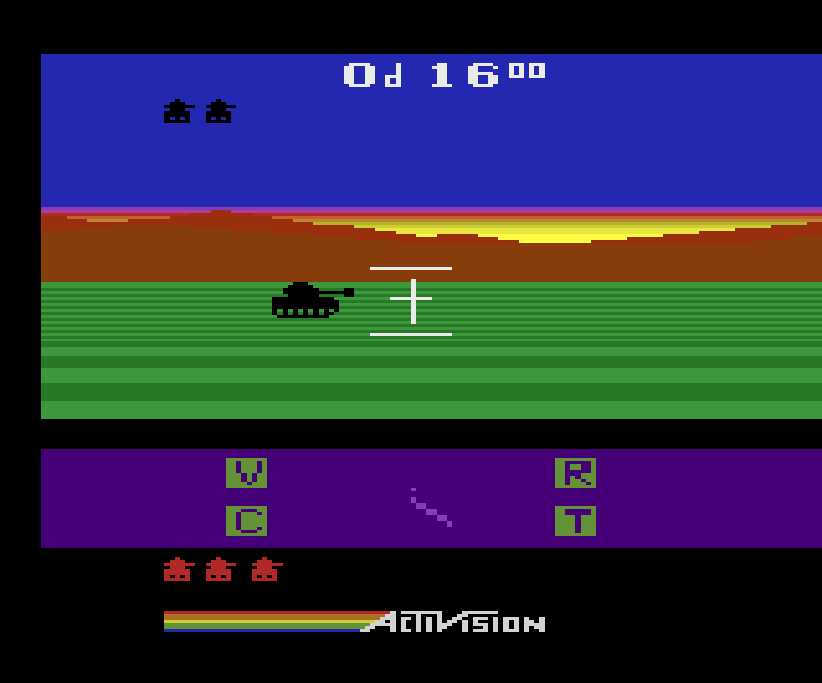
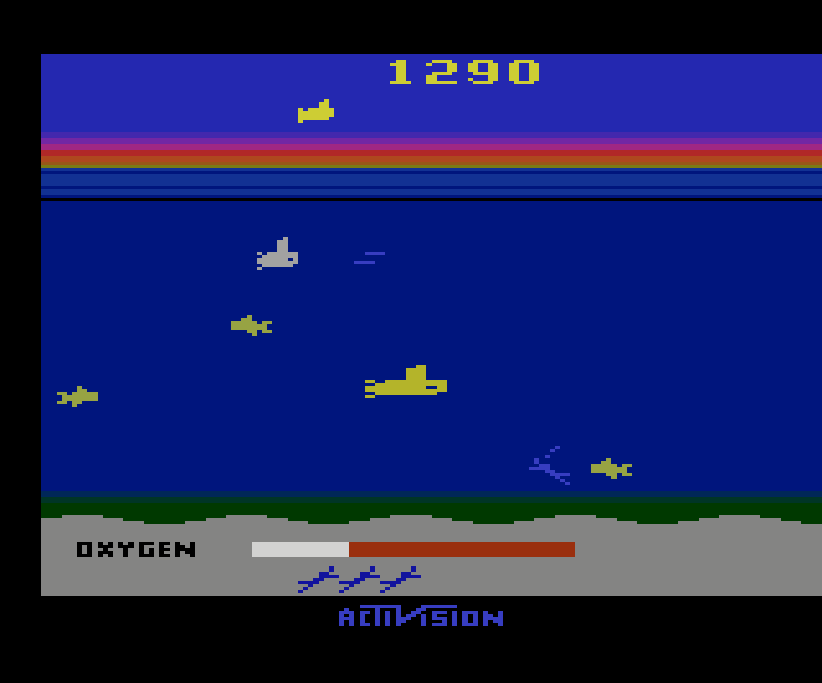
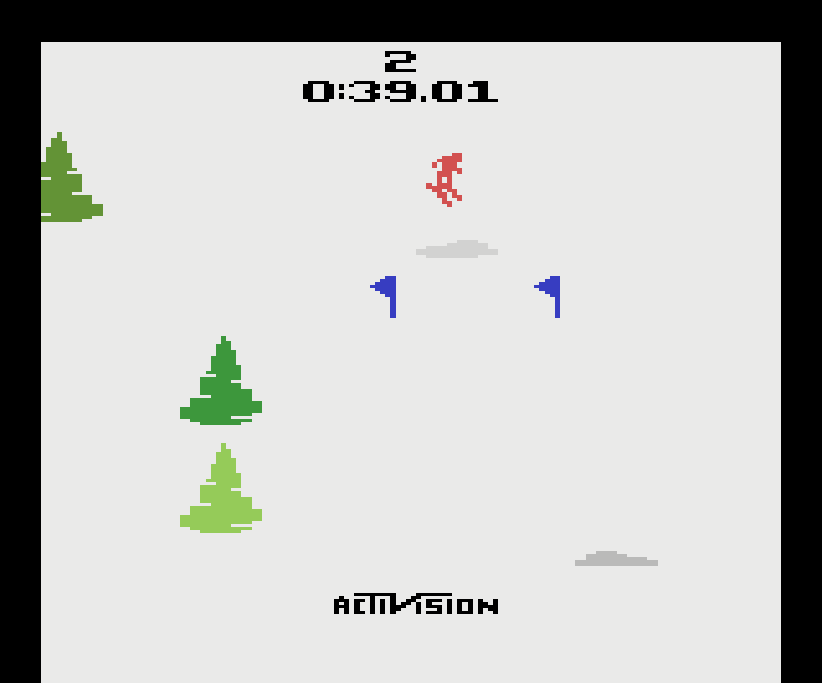
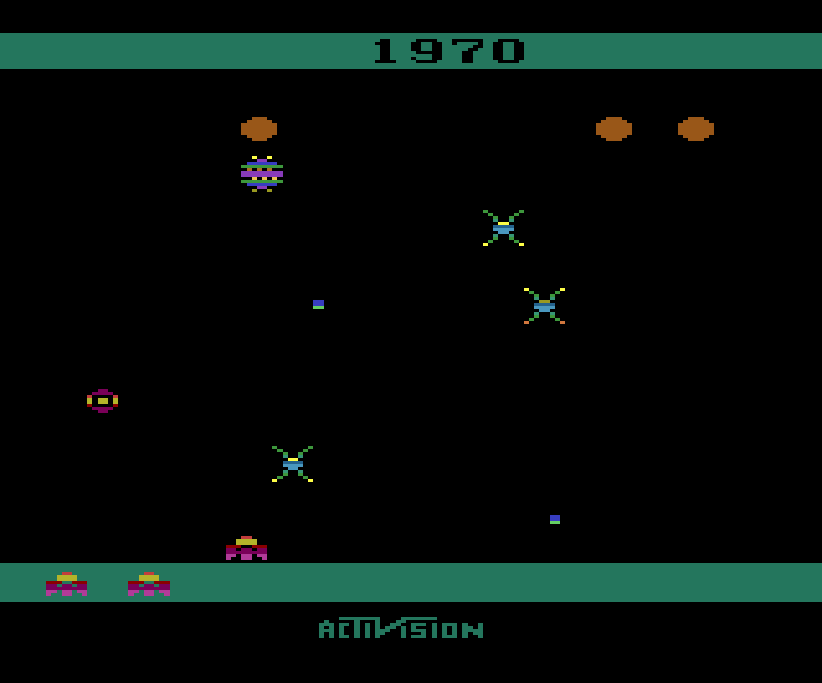
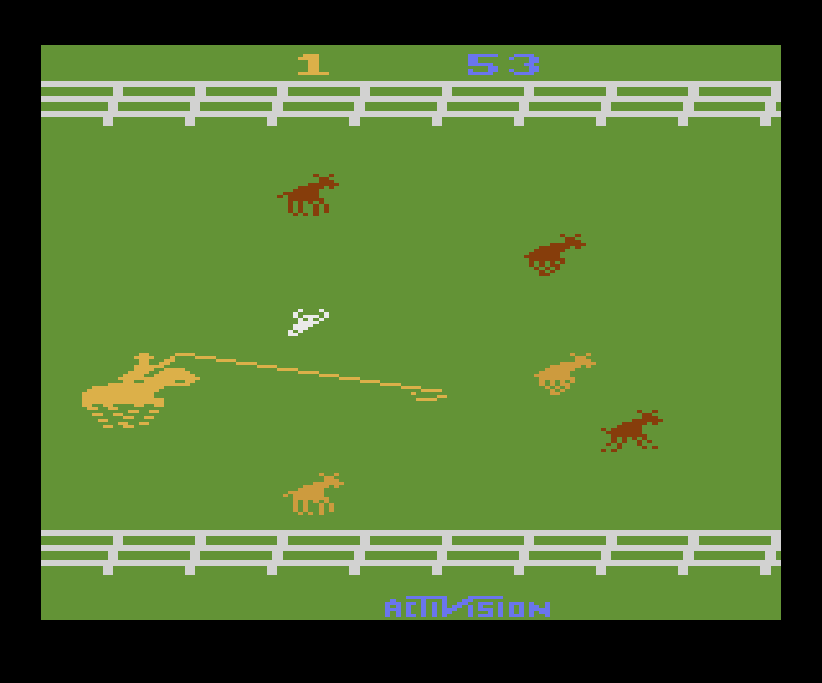
Onto the last few games now with Robot Tank, a smooth, polished futuristic 3D tank shooter that I’ll always take over Battlezone on the 2600 or anywhere else for that matter. My beloved Seaquest is next, a tight, fast underwater rescue-shooter that plays like single-screen defender and isn’t only that second game I said I’d have bought this collection for, but until fairly recently was my favourite game on the system as well. I’m also very partial to Skiing, a clean, minimalist downhill racer that’s all about shaving seconds off your best run and has plenty of modes to do it in. Spider Fighter is another one I knew but hadn’t played much of, and it’s really good – a relentless, high‑speed, old-school shooter that rewards concentration and reflexes I don’t have anymore! Finally, we’ve got Stampede, a unique cattle‑rope chase that’s equal parts rhythmic, odd and wildly addictive once it hits its stride. Which goes for a lot of what’s on here, and although you could possibly argue you could get one great compilation out of the two we’ve now got, I reckon this is excellent, and as I write there’s one more of these that’s just been announced, so maybe we’ll get to that next time as well! In the meantime, I hope you enjoyed this little selection of stuff I shouldn’t have been spending all my money on over the past three months for now though, and I also hope to see you for more of the same in three months’ time… Just don’t tell my wife!
As always, I’ll never expect anything for what I do here but if you’d like to buy me a Ko-fi and help towards increasingly expensive hosting and storage costs then it will always be really appreciated! And be sure to follow me on Instagram, X (formerly Twitter) or Threads for my latest retro-gaming nonsense, and also on Bluesky, which is under my real name but most of it ends up there too if you prefer!
 Retro Arcadia
Mario Sunshine is super janky but I love it so much. The vibes are just so great – and the music really peps me up. Reminds me of summer no matter time of year.
LikeLike