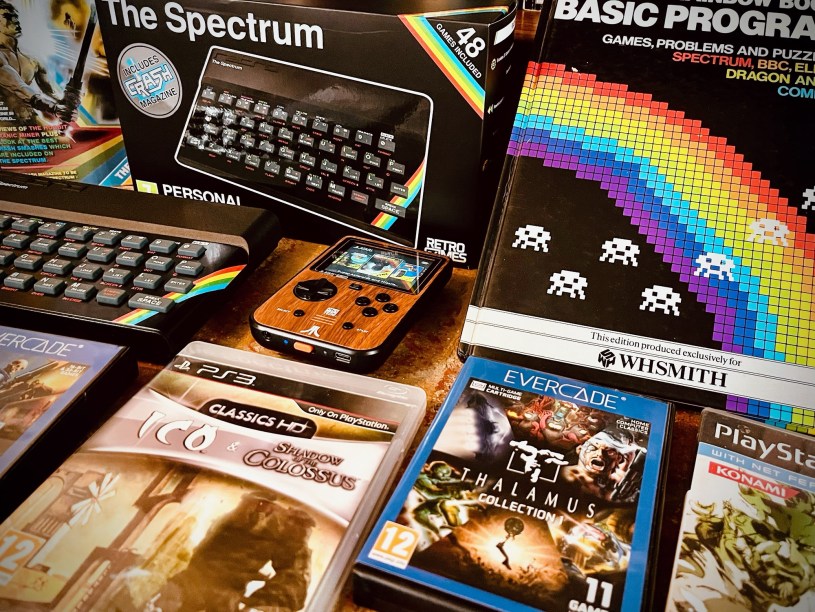
Welcome to another in a seasonal series of features covering everything I’ve been spending money on over the past three months that I probably shouldn’t have been! As usual, this was introduced to complement the various forms of weekly deep-dives at Retro Arcadia, in part to keep things fresh but also to take a bit of the pressure off me trying to juggle writing them alongside juggling work and family… Not to mention actually playing the things enough to properly get into them! Don’t worry though, because that’s not to say they won’t continue to make up the vast majority of what’s here, together with the Weekly Spotlights, the Retro Rewinds, and likewise the reviews when I’m kindly asked to do them (or the mood takes me). Right, the format here is a paragraph or two on each of the games and related things I’ve got hold of since last time, and as usual there seems to be loads, so let’s get on with it!
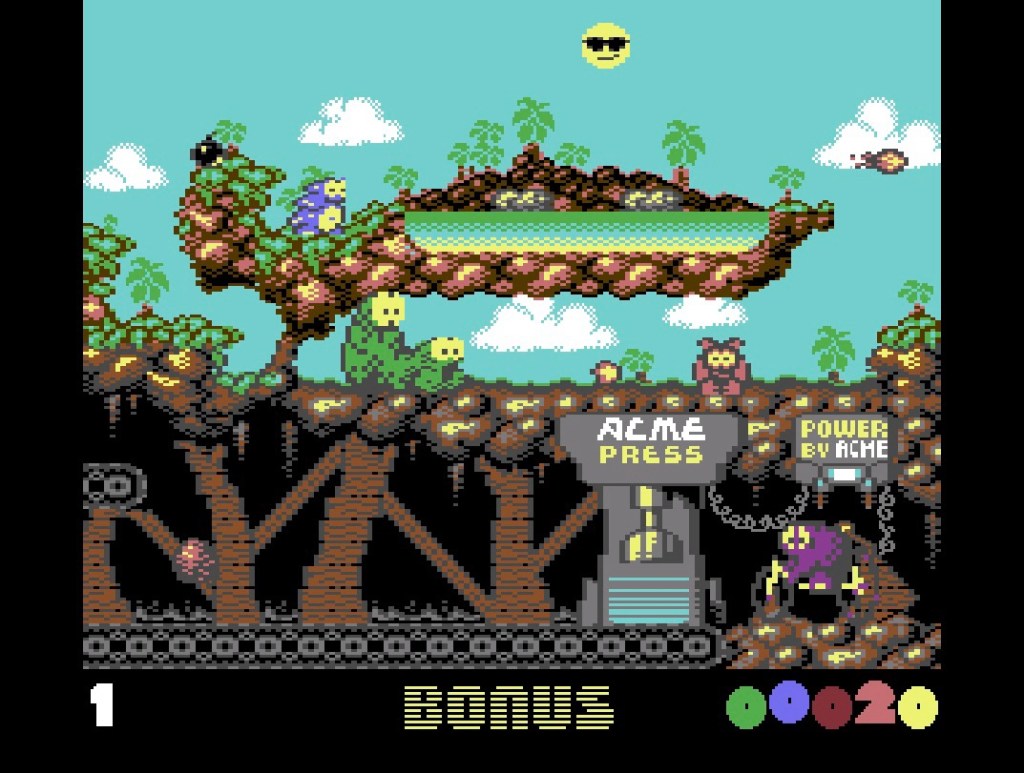
I’m going to start this time with the first of a few Evercade bits and pieces we’re going to look at, and it’s Thalamus Collection 1, which was delayed to right at the end of August so just missed the cut here last time. I did do a full review just after that too if you want a deeper look at every game on there but for now, I’ll just do a quick sentence or two here on each of the eleven Commodore 64 (mostly!) classics. We start with Armalyte: Competition Edition, a 2009 mod of the gorgeous but very old-school tough horizontal shooter from 1988. Ahead of its time with loads of enemies at once and arcade-style bosses too, and a great start! Creatures, from 1990, is probably one of the best-known games here and is a crazy addictive, crazy difficult puzzle-platformer that’s about as good-looking as anything ever got on the C64! Its classic Torture Chamber boss levels became the focus in 1992’s Creatures II: Torture Trouble, but with various mini-games on top of their equally tough puzzling and platforming. Looks and sounds brilliant too! Hawkeye might just be my highlight of this collection… It’s a totally mindless run and gun platformer from 1988 that’s got loads of polish, loads of energy and is just loads of fun! Unfortunately the opposite is true of Heatseeker, an unnecessarily weird and inaccessible bouncing and platforming thing that’s also unnecessarily brown, even for a C64!

Don’t like that one at all but Hunter’s Moon Remastered more than makes up for it – it’s a 2018 overhaul of the 1987 strategic, multi-directional shoot ‘em up, complete with one of the earliest examples of procedural generation in a game that I know of! It’s a stunner in all respects, full of movement and life and the most gorgeous, shimmering graphical effects and some of the best imagery I’ve ever seen on the platform in its newly-added cutscenes. Nobby the Aardvark marked the end of Thalamus in 1993 but at least it took them out with a bang! It starts out as a multi-directional find the exit platformer, then you’re flying balloons, diving the wreck of the Titanic, escaping mazes and all-sorts else! It’s full of character, the music is great and the level of challenge is outrageous but it’s definitely worth the effort. Retrograde, from 1989, also starts as one thing and evolves into something else, with a Dropzone-style first part disguising what’s effectively an RPG-style grind getting you prepared for a downward-platforming section part before a big boss fight at the end of each level. It’s an acquired taste but it works for me, with some lovely animation and parallax effects, and it’s all very atmospheric with plenty to keep you busy for a long time! Snare is another one that will take a bit of effort to penetrate, but when it clicks, you wouldn’t have it any other way! It’s a top-down, methodical, puzzling exploration through twenty maze-like levels in an armoured glider but the literal twist is that when you turn left or right, the whole screen turns with you – imagine you’re always pointing up! It’s jarring and it’s tough, with simple but effective graphics and some exquisite sounds, and it’s totally worth it!

“Tough” has been a recurring theme here but it goes too far with Summer Camp from 1990, which is a cute cartoon platformer with some clever ideas that is unfortunately way too frustrating in too many respects to persevere with. I do have more patience for its 1992 sequel, Winter Camp, though! You’ll be ice skating, skiing, in a boat, doing rhythmic button-mashing, climbing Kong-style, playing memory games and generally having a much better (albeit still very challenging) time through some lovely, humour-filled and surprisingly colourful wintry scenes. Most of these games passed me by at the time but there’s no denying it’s more or less a fantastic collection, demonstrating trademark Thalamus challenge, polish and more than meets the eye gameplay across a variety of genres (often within a single game!) and including some real classics. Great value and essential Evercade.
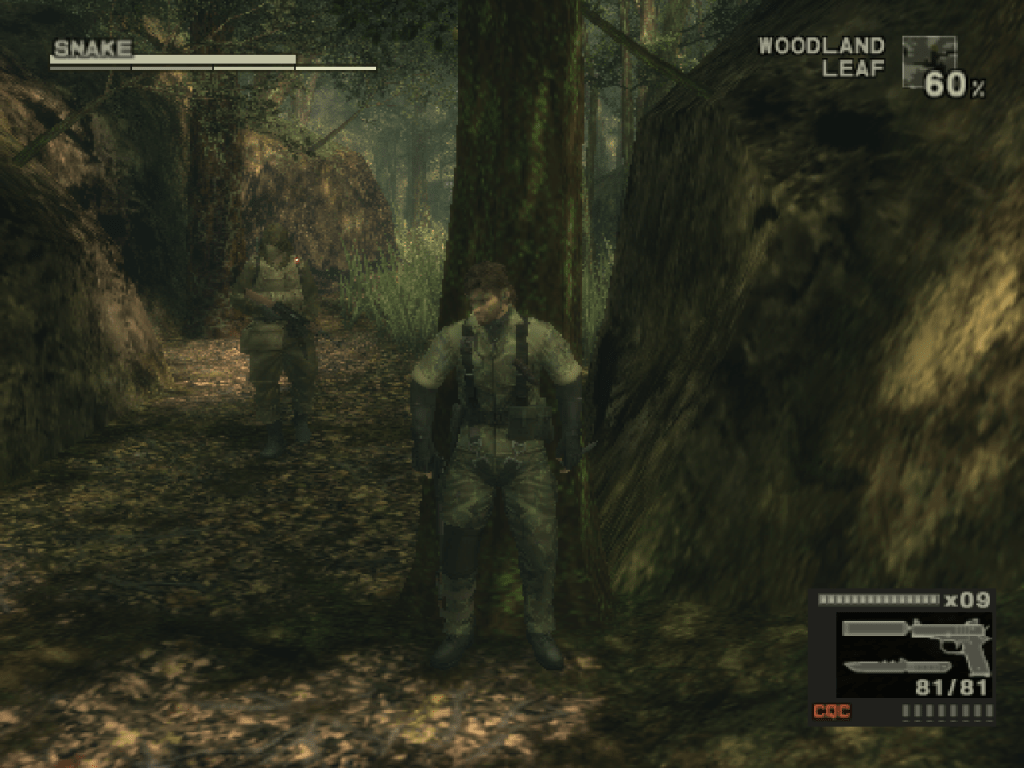
Just to recap how we’ve got to 2024 and I’m playing ancient Metal Gear Solid games for the very first time, I’ve actively avoided stealth stuff for as long as it’s existed, but a Retro Gamer article from earlier this year got me interested enough to fire up Metal Gear Solid on the PlayStation Classic, then I was hooked, and by the end it was making a play for the business end of my big list of favourite games ever! I quickly picked up the sequel for PlayStation 2, which was covered here while I was still playing last time back, but I can since confirm I also adore that one, so here we are now with the third, which we recently heard will be getting the remake / remaster treatment soon too, so all well timed after all! Anyway, I managed to grab a pristine copy of Metal Gear Solid 3: Snake Eater, also for PS2, for less than a fiver on eBay, and I’ve certainly had my money’s worth over the past few weeks! This one is actually a prequel to the rest of the series, set in the Russian jungles of 1964, thirty-one years prior to the original Metal Gear, where you, Naked Snake, are trying to rescue a rocket scientist, destroy a super-weapon and kill your defector former boss. As usual, there’s way more to it than that but it will do for now! Despite the time and the setting, it’s familiar territory to a born-again fanboy, although we’re now relying on the jungle itself to keep us alive, while damage can be taken anywhere on your body and requires specific treatment depending on what and where, and there’s a new camouflage system for sneaking around, as well as a nicely balanced close-quarters combat system. As usual, it’s all groundbreakingly cinematic too, with masses of cutscenes and narrative to try (but mostly fail!) to keep on top of, and the sound design is typically wonderful, and there’s very atmospheric, albeit very of the time visuals. Still feels good to play though, and it’s mostly gripping and well-paced, and this series just keeps getting better and better, so maybe onto the PS3 next time!
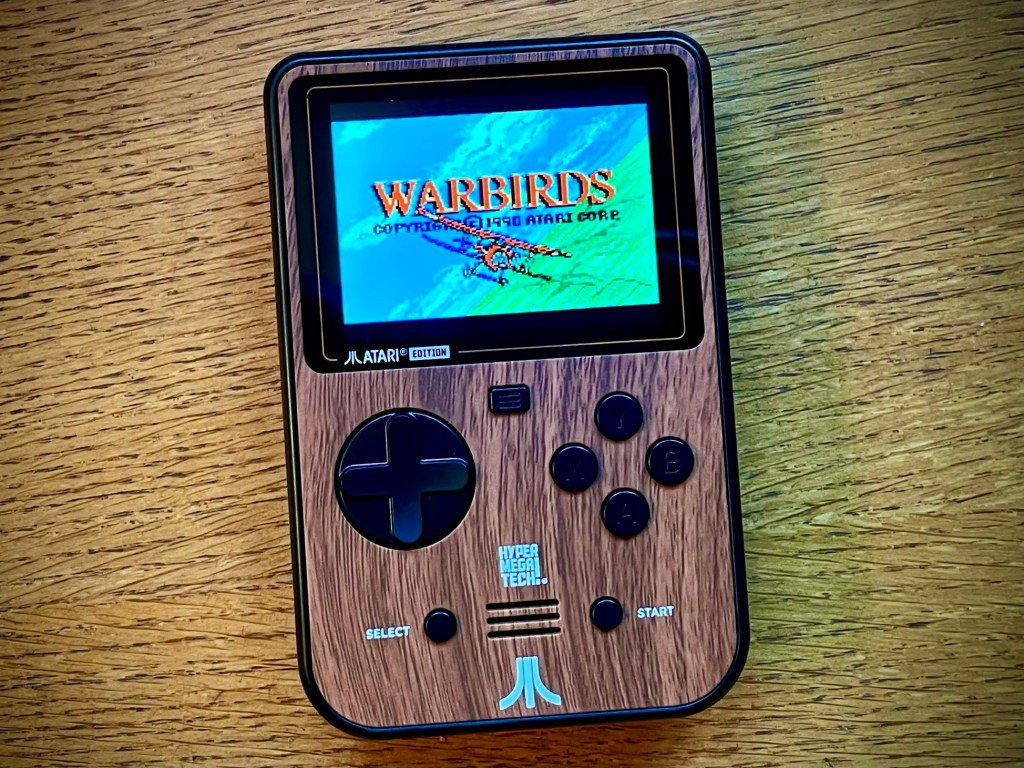
Next up, I think I’ve got my favourite recent buy, which I absolutely didn’t need and wouldn’t have bought if I wasn’t so shallow, in the shape of the limited (to 2600 units!) woodgrain version of the new Super Pocket Atari Edition handheld console by Hyper Mega Tech, spun out of Blaze Entertainment, the Evercade people. Which it’s also got a cartridge slot for in the back! I do already have the Taito edition of one of these from last year, and I still use it a ton, so I’m sure I’ll also get my £60’s worth from this as well but even if I don’t, just look at it… That Atari 2600-inspired woodgrain effect, with the orange front and rear buttons, all so lovingly inspired by the original console I remember so fondly from decades ago – it’s simply irresistible! It doesn’t hurt that I’m a sucker for old Atari games either, and while I do own everything here on a dozen compilations on a dozen systems already, including on Evercade, I’ll very gladly play them all again anywhere else too, and there’s no less than fifty included on this thing, spanning the Atari 2600, 5200, 7800 and Lynx, as well as thirteen arcade games!
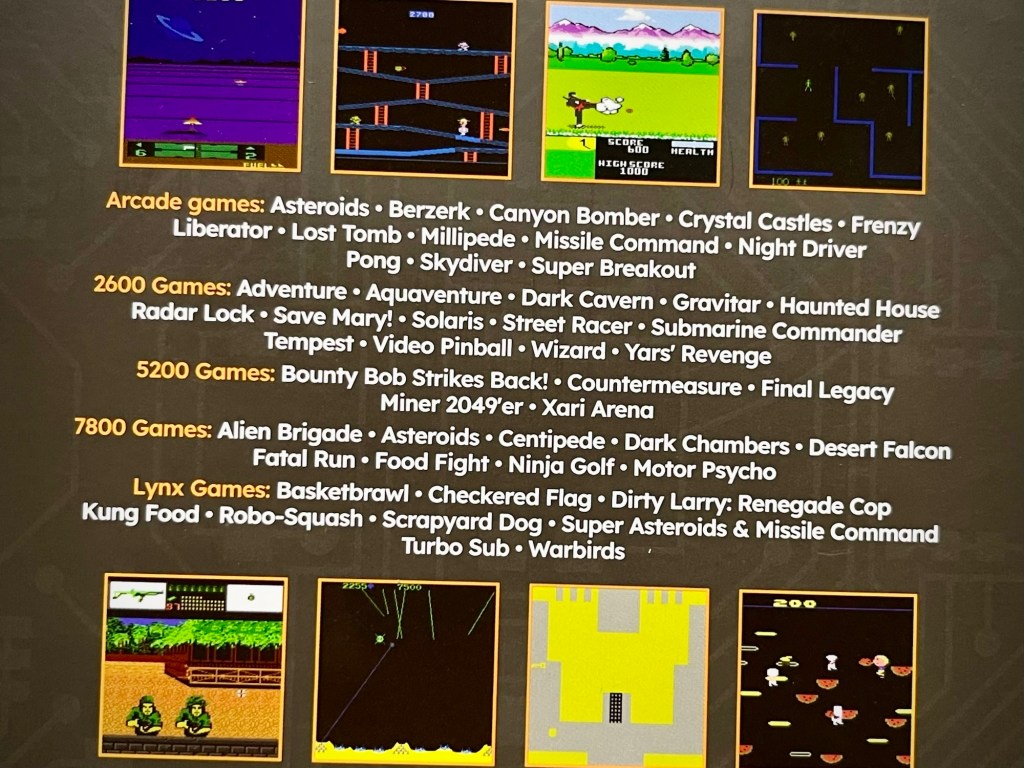
All the games are listed on the picture here but a few highlights include the original arcade versions of Asteroids, Night Driver and Millipede; then on the 2600 there’s stuff like Dark Cavern, Yar’s Revenge and Solaris; and we’ve got Miner 2049er, Final Legacy and a handful more on the 5200 (but sadly no Star Raiders); the 7800 includes the likes of Desert Falcon, Ninja Golf and MotorPsycho; and finally some fantastic stuff on the Lynx, including Warbirds, Checkered Flag and Basketbrawl (but also no California Games unfortunately). It’s a genuinely well-curated and generous selection on the whole, with a good mix of originals and ports, although it’s not too heavy on the latter at all, and there’s only one or two instances of different versions of the same game included. Really good value then, especially when you can stick any Evercade cart in the back too, and like the Taito version I already have, a great build for the price, with an excellent screen, surprisingly decent sound and plenty of battery life, but once again, it is properly pocket-sized, which makes me appreciate having girly hands, especially on the shoulder buttons, although fortunately, there won’t be many times the games included on here are crying out for them. Apart from that, there are various display options, as well as save states, but not much else, which is exactly the idea, and overall I already love this thing, and will very likely be carrying it around all over the place for a very long time to come!

Something else I’ve always been a sucker for is a book full of type-in program listings, hence my new (old) copy of The Rainbow Book of BASIC Programs, produced exclusively for WHSmith in 1984, long before it became the sorry shell for knock-down stationary, energy drinks and a handful of magazines it is today. Anyway, it contains fifty programs for you to type in, including games, educational problems and puzzles, and they all work on the ZX Spectrum, VIC-20, BBC, Electron and Dragon 32, with a common main program then subroutines handling the quirks of each individual machine. There’s also a bunch of variations suggested for some of the programs, such as upping the difficulty in a car racing game by increasing the scrolling speed. It’s all presented in a very educational way too, so stuff like this is there for understanding and advancement as much as adding challenge or variety, and each program is also explained line-by-line. There’s a good variety of relatively simple games – fruit machines, golf, dungeon crawlers, fishing games, Battleship and so on, plus loads of puzzle-types like Mastermind, crosswords, word-searches and pick-up sticks, and the educational stuff is pretty fun too, with things like Pascal’s Triangle in action in an old pinball game, and the theory behind that even gets an explanation. All seems to work too! It’s definitely aimed at kids but I’d have loved this at the time, and I’ll hopefully report back on what I’ve tried out in my Weekly Spotlight features here soon!

The Castlevania Dominus Collection shadow-dropped after a Nintendo Direct right at the end of August, and the second I was back from holiday then I bought it on Switch, although it is also available elsewhere. It includes three hard to get (meaning very expensive) titles from one of my all-time favourite game series, previously released on the Nintendo DS long before I ever owned one, so to say I was very excited about this when it appeared is an understatement! We have Castlevania: Dawn of Sorrow from 2005, Castlevania: Portrait or Ruin from 2006 and Castlevania: Order of Ecclesia from 2008, then it also includes the 1987 arcade take on Castlevania, Haunted Castle, and the brand new Haunted Castle Revisited, a reimagined, redesigned and redrawn version that seriously balances the original’s brutally difficult gameplay and applies a heavy on the gothic, almost painterly meets pixel-art style to what was already a stunner for the time! Quality of life features like rewinds, save states and difficulty levels (tucked away in individual game settings) do make the arcade game a bit more approachable now too. On the DS front, I think Dawn of Sorrow is a masterpiece, really nailing the best of the series’ epic metroidvania heritage while adding more RPG-like tactical depth, although the Pokémon-style presentation here takes a bit of getting used to when you’re so familiar with what came before it!

The next two games are less reliant on old DS lower-screen touch functions but all of these have been replaced by quick-time events if, like me, you’ve once again forgotten your permanently docked Switch has a touchscreen (where I think they still work), and there’s a bunch of neat and surprisingly seamless options to handle the two screens throughout, and it all the translates beautifully. Coming to Portrait of Ruin, it adds a second on-screen character who’s instantly switchable and makes for some neat situational puzzles but it looks even more like a Pokémon game! Order of Ecclesia begins a bit of a slow-burn, and doesn’t go easy on you from the outset either, but looks more the part, overhauls the game mechanics again and plays really nice in the end! I also want to mention the bonus material included, which is phenomenal – unreleased artwork, development sketches, original instruction booklets and packaging, then an encyclopedia with an insane amount of information on enemies, equipment, items and more for each game, and a music player where you can listen to every sublime track for every game too! Oh yeah, you can also switch between regional versions of them, although that’s something else I’ll need to come back too to see where any differences lie, which is often the case with Castlevanias (especially that original Haunted Castle). Overall though, this compilation is a dream come true, and despite being a total surprise when it came, is way above expectations in pretty much every respect too. Good work Konami!

Back in March, I very belatedly played 2001’s Ico on PlayStation 2 for the very first time and not for the first time here, quickly decided it was one of my favourite games ever. Way too good for emulation, in fact, so I bought a nice boxed version not long after, and then more recently, a copy of the 2011 PlayStation 3 high-definition remaster, bundled with the same for its spiritual sequel-prequel Shadow of the Colossus. And I never have and never will like that game, so that’s the last you’ll hear of it here! Ico, on the other hand, I can’t get enough of! In case you didn’t know, it’s a minimal 3D action-platforming adventure with maximum scale and immersion as “different” boy (called Ico) meets princess girl while they’re both locked up in a castle, which they then try to escape together, in the face of vertigo-inducing obstacles, puzzles and her evil mother’s terrifying magical minions. The gameplay is as sublime as the art style, simple and logical but – in combination with the deceptively intense narrative – emotionally draining, frequently exhausting and utterly wonderful all at once! This version, on the whole, is about fancy new presentation, as well as stereoscopic 3D support and PlayStation trophies if either float your boat. I was also impressed to see a few gameplay tweaks, particularly to a long-winded trial and error section by a waterfall, which they’ve not only now signposted with a big new waterwheel but you can climb over it too, taking away the need to land a horrible jump, There’s also a very distinct new smoothness to everything too, and not just things like the sweeping cinematic vistas of the game world, but also how it feels to play – I think the controller just better doesn’t hurt either! That said, there’s also a bit of the original’s magic lost, as its forlorn gloominess is brushed aside by clean lines and crisp colours; it’s all so polished and clinical and so PS3 now! It’s so Ico too though, adding embellishments and flourishes to the original but staying totally authentic, and if this was the only way I had to play it I’d still love it just the same.

Not so many games to cover on the next Evercade cartridge I’ve got for you today, and that’s The Bitmap Brothers Collection 2, which includes five games and one expansion, and I’m very pleased to say that unlike the first Bitmap Brothers collection, these are the Amiga versions (where applicable) this time, rather than some crappy console knock-offs! There is one console game on there too though, and its the original PlayStation version of real-time sci-fi strategy classic Z from 1996, which is like a more accessible, more focussed, heavy metal version of Command & Conquer, and is arguably a lot more fun as a result! Bit small on an Evercade EXP or Super Pocket handheld, and would always have felt better with a mouse, but what the hell, the new button mapping helps and it’s great wherever and however you play all the same, and I’m also pleased to report you’ve got extensive but to-the-point instructions for this one in the manual too, which you really couldn’t do without. That’s also the case on the home computer front, where we’ll start with Cadaver from 1990, an isometric fantasy action-adventure with a sprinkling of RPG, in the spirit of old Ultimate games on the Spectrum, and one that I liked a lot on my Atari ST but will concede is alright on the Amiga too! Huge game, loads of logic-pushing puzzles, gorgeous art style and some really atmospheric sounds make it a main draw on here for me!

That said, its expansion, Cadaver: The Payoff, which I’d never played before, is a bit more than just more of the same, with all-new sights and sounds, more nuanced enemy interactions, and even more fiendish puzzles to solve and traps to avoid, and has been a really nice discovery! I guess if Cadaver isn’t your personal highlight here then Gods probably is! This iconic platformer from 1991 remains an undisputed masterpiece, mixing well-paced action-platforming with thoughtful puzzles and pretty much unsurpassed presentation on the Amiga. On the surface, Magic Pockets, also from 1991, isn’t a million miles away from that either, just a bit more comedic and with a bit more cutesy attitude, but I’m probably in the minority thinking it’s a good-looking but far more average platform game with some annoying music! I’d like to like The Chaos Engine 2 a lot more than I do too – maybe I just need a second player rather than its split-screen, top-down, methodical run and gun contest against the computer; I think it lost a bit of the atmosphere of the first game along the way too but it’s alright… As is this compilation, which is as well presented as always and perfectly at home here, although I am left still pining for Amiga versions of Speedball 2 and Xenon 2 on Evercade instead of those Mega Drive monstrosities we got last time!
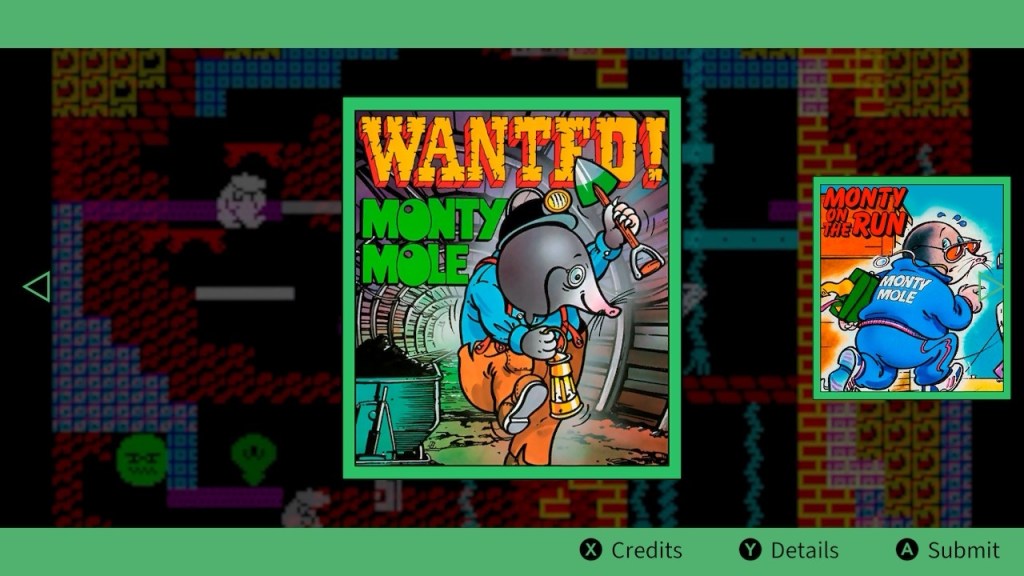
I’d been waiting for a rainy day to pull the trigger on The Monty Mole Collection since it appeared on Nintendo Switch earlier this year, and while I am still waiting for such a day, I also know £3.99 of total bargain in a sale when I see it! This is a comprehensive coming together of the original 8-bit saga, including the main trilogy of Wanted! Monty Mole, Monty on the Run, and (another of my all-time favourites!) Auf Wiedersehen Monty, plus two bonus games, Moley Christmas, given away with Crash magazine, and Sam Stoat: Safebreaker, a spin-off featuring Monty’s cell-mate from the second game, which I’ve always known about but excitingly have never played before now. As well as both Spectrum and Commodore 64 versions of each game available to play (where applicable), you’ve also got multiple difficulty modes if some of the most brutal, unforgiving platformers ever created get a bit much, plus display filters, save states and up to ten seconds of rewind, which I’m glad I never had at the time but is my new best friend today! Hell of a collection, half price or not, so let’s have a quick look at the games…
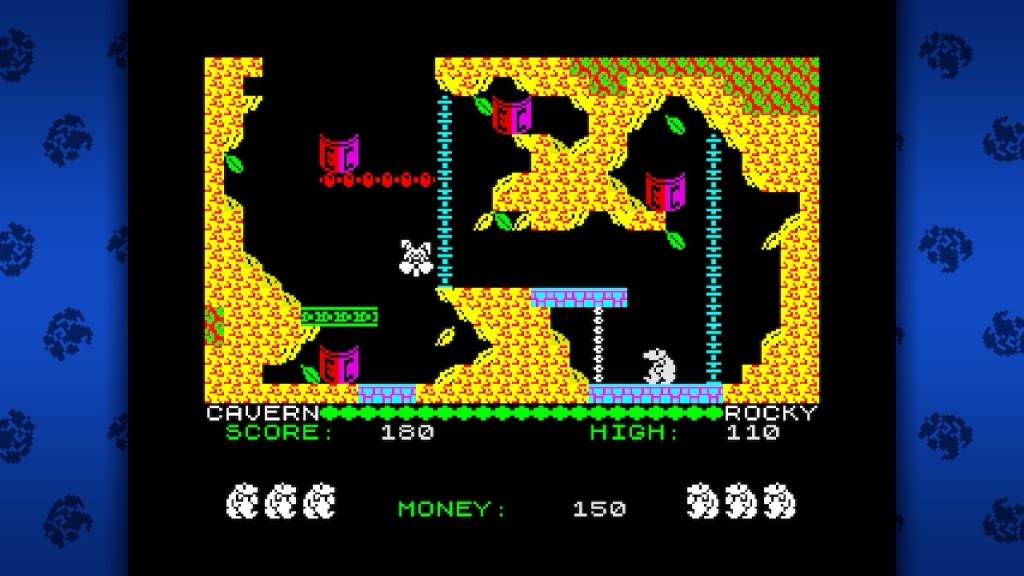
Wanted! Monty Mole is a madcap reflection of the 1984 miners’ strike, with you nicking coal from a Yorkshire pit, assuming you get off the first screen! It’s a bit rough but there’s still fun to be had in both versions once you get into their flow, and each is very different to play in this case. Only differences in presentation from here though, especially the wonderful C64 music, as Monty on the Run sees us sprung from prison and collecting money to head off on the cross-Channel ferry. Brilliant game with fiendish but fair design that more than stands up today. And the same goes for Auf Wiedersehen Monty, a more ambitious jaunt across Europe, as Monty collects cash to settle down on his own private Mediterranean island. The 128K Spectrum nailing the music this time too, with some of the most memorable on the system! Moley Christmas is a short mix of classic platforming and simpler challenges, as you try to get the game you’re currently playing to the magazine in time for publication. Spectrum only too, given where it was for, and one of its greatest cover-tapes as a result! A true curio and no mistake to finish with – Sam Stoat: Safebreaker could only be a Spectrum game, full of colour-clash, bonkers characters, weird gameplay and more of that insane difficulty to keep you honest… Rewinds aside!

My Computer & Video Games magazine collection spans 1985-1992 without any interruptions but I’m still always on the lookout for a few remaining gaps to fill further back, as well as pretty much anything from then onwards. Neither direction is getting any cheaper though, so I was chuffed to pick up this May 1994 issue for about what it cost at the time! Such a wonderful time capsule too, with Virtua Racing for the Mega Drive headlining a load of reviews this month that also include Star Trek: 25th Anniversary on PC, NHL Hockey and Jurassic Park on Mega-CD, Pac Attack and Kick Off 3 on the SNES, Jungle Book and Kirby’s Pinball on the Game Boy, Battletoads on Game Gear, John Madden’s Football on 3DO, and the incredible Lotus Trilogy on Amiga CD-32! It’s the previews that really caught my eye though, with big work in progress reports on Daytona USA, The 7th Guest, Streets of Rage 3, Another World II: Heart of the Alien and Spiderman / Venom: Max Carnage, although they probably went on to regret the five page spread they dedicated to the dreadful fighting game Rise of the Robots! There’s also news of the upcoming “Mega Drive 32” add-on, which no doubt plenty of others would also go on to regret, and the Super Game Boy colour converter for the SNES, which, on the other hand is a must-have to this day! Lots more CD-based stuff on the way for your PC, 3DO, CD-32 or Mega-CD, and I think I’ll go with the spectacular and surprisingly playable FMV spin on Top Gun for the latter, Tomcat Alley, as my pick of the bunch from those. NBA Jam is heading-up the all-formats chart this month, followed by Sonic 3 and Sim City 2000, and there’s also a big feature on the best racing game ever, which is apparently Indy Car on PC, although Micro Machines scores almost the same and across the board on loads of platforms, so take your pick. No Chequered Flag on the Spectrum though? Rubbish list but a fantastic read all the same!
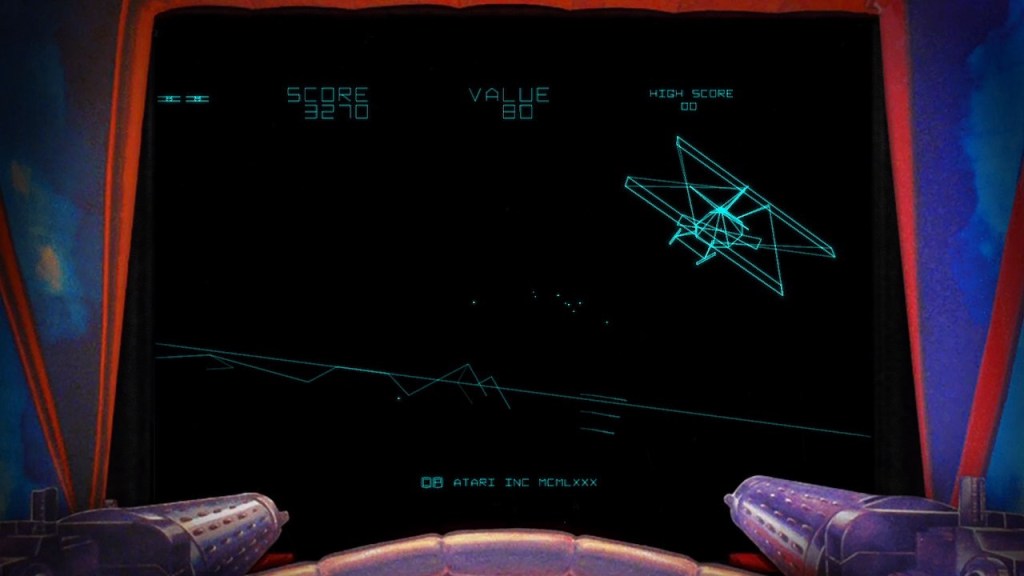
I went physical with Atari 50: The Anniversary Collection, and the cartridge has been a pretty much permanent fixture in my Nintendo Switch since it first came out at the end of 2022, so I was over the moon when two new DLC packs were announced a few months back, and the first then dropped almost straight away! That one is called The Wider World of Atari, and for less than £7 extends the compilation’s wonderful interactive timeline with nineteen new games and eight new video documentary segments, including Pong-guy Al Acorn’s story on the creation of Breakout, the search for rare prototype games, a deep-dive into Berzerk and a spotlight on artist Evelyn Seto, who helped create the famous Atari Fuji logo. It’s all high-production and all worth a watch though, and I love the way the DLC maintains the same high-bar set by the base compilation for this stuff, and continues to tie it all together with bits of trivia, archival images and other source material, and, of course, the games themselves, which you can also just jump into like before if you only want to play them! They’re all on the existing carousel, organised by platform, and include various flavours of Berzerk (with the wonderful voice-enhanced 2600 port always a favourite way to play!), then it’s mostly arcade and 2600 titles, plus a couple on 5200 and Atari 800. Highlights for me include Red Baron, the arcade vector shooter in bi-planes; Avalanche (arcade and 800), which is Breakout with a twist; the remarkable 2600 port of Ancient Egpytian Zaxxon-like Desert Falcon; clever depth-charging arcade shooter Destroyer; and a real curio, Football, an ancient (and exhausting!) trackball-based American football game from 1979! Absolutely fascinating!

After all that, I was really counting down the days for the second batch to arrive… The First Console War DLC reflects gaming’s oldest rivalry, spanning all the way back to 1979, then continuing until Atari finally bought up what was left of Intellivision earlier this year. It was never hotter than in those early days though, when Mattel, originally behind the Intellivision console, decided it was going to start making games for the Atari 2600 as well, a lot of which are represented in the nineteen included here. I’ll come back to those but as you’d expect from Digital Eclipse, this is again way more than just a bunch of old games, with another new interactive timeline containing loads of cool artefacts, together with eight new video segments covering the back and forth between the Intellivision and the 2600 (or VCS as it was also known), including interviews with M Network (the brand for these crossover games) programmer Jane Terjung, Activision’s David Crane & Garry Kitchen, homebrew programmer Dennis Debro, and historians Leonard Herman & Mike Mika. As for the games, once again they’ve been integrated into the original compilation’s carousel, and include twelve of those 2600 M Network titles from the Intellivision, such as Astroblast, Frogs & Flies, International Soccer, Super Challenge Baseball, Air Raiders and Star Strike.

There’s also three unreleased M Network games, including Antbear (based on a Stern IP), Swordfight and Sea Battle, and the recently rescued unreleased prototype for Tower of Mystery. The regular 2600 library also got expanded with Basketball and Video Pinball, which I’ve had such a blast going back to – being primitive never stopped anything being fun, even if the ball is just a square! Over on the 5200, we’ve got another prototype of an Atari 8-bit port, Final Legacy, which got as far as being advertised before being pulled then disappearing until 1998, and is a real-time war game linked by three pretty basic but still fun mini-games set in different nuclear theatres. Another one I’ve really been enjoying as well is Desert Falcon for the Atari 7800 this time, where this isometric shoot ‘em up properly shines. Finally, those 8-bit computers haven’t been left out this, with the addition of Xari Arena and the graphically impressive Hardball, which I’ll hopefully get into in an upcoming Weekly Spotlight because I do love discovering a new baseball game! And I do love this DLC, a total bargain at £6.69, and will no doubt be coming back to plenty more from it too!
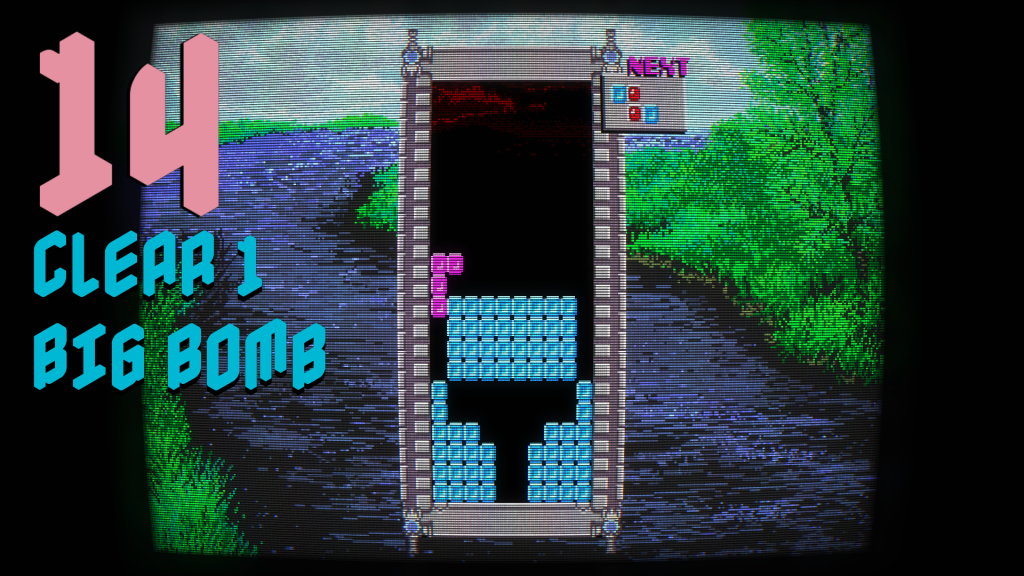
I’ll be a bit more brief on yet another one from the same people behind Atari 50, and that’s Tetris Forever, which I’m playing on PC, and is the latest luxurious compilation-meets-celebration from the masters of their craft. Coinciding with the fortieth anniversary of what I’d consider to be the perfect game, on the surface this looks like all the downright-genius and outright-iconic falling-block puzzling you could ever wish for, with no less than fifteen classic and more obscure Tetris titles included, including a brand new game (pictured here) called Tetris Time Warp, where up to four players “warp” between different eras of Tetris in real-time to experience a variety of classic graphical styles and gameplay mechanics with some modern finesse on top. You’ve also got over an hour of all-new documentary features exploring the creative partnership between Tetris creator Alexey Pajitnov and The Tetris Company founder Henk Rogers, and it really is quite the tale! As we’ve come to expect from Digital Eclipse’s Gold Master series, it’s all presented beautifully too, with slick interactive timelines like we’ve just seen on Atari 50 and all kinds of other media to explore. What more could you want? Well, remember I mentioned “perfect” just now? Obviously, I was referring to the Game Boy version, but like the juiciest Tetris games on any other Nintendo platform too – and yes, that also includes the last word in competitive Tetris on the NES – it ain’t here! And unfortunately, all the cult favourites like Tetris Battle Gaiden or Super Bombliss in the world don’t quite make up for that for me! The accurate recreation of the first version of Tetris on the Electronika 60 computer from 1984 is very cool though, and so is everything else here, including all sorts of other Nintendo goodies; it’s just that what isn’t here really stinks!
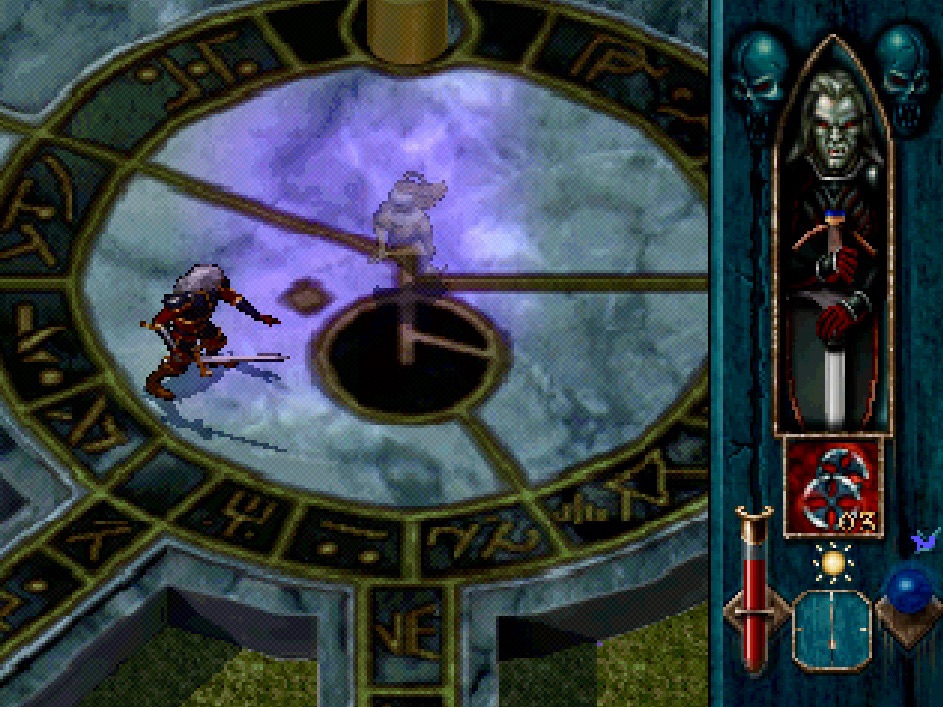
“Night dawns, and with it the vampire grows stronger!” We’ve reached the last of those new Evercade compilations, and this should be quick because there’s only two games on this one! It’s the Legacy of Kain Collection, released a couple of months ago and featuring Crystal Dynamics’ Blood Omen: Legacy of Kain from 1996, and its sequel, Legacy of Kain: Soul Reaver from 1999, both for the original PlayStation and now squeezed onto the new higher capacity Giga Cart format cartridge for the Evercade system of your choice, although there were times when things got a bit too dark for comfort for my old eyes when I was playing the first game handheld in particular, although it still amazes me that I’ve got either running perfectly in my hands at all! They’ve been well adapted for Evercade too, with the controls properly remapped and even listed as such in the reworked in-game options, which reminds me, a full reworking of the original instructions for both is included in the box too! I never had the first game when it came out, so it’s been a treat getting to know Blood Omen, a rich and exuberant top-down (but slightly 3D) action-RPG-lite with you playing the vampire Kain on his quest for vengeance against his murderers (then a bit more) and a cure for his curse. Monster of a game in all respects, with so many weapons and spells and shape-changing abilities all within easy reach, some decent puzzles and a decent narrative too, with its admittedly hammy delivery juxtaposed by some delightfully vintage cutscenes, a wonderfully haunting soundtrack, and just fantastic Hammer Horror audio in general. It’s of its time to look at but there’s attention to detail everywhere you look and atmosphere galore, and while there is also some contemporary jank, I’ve had a great time sinking my teeth (and Kain’s!) into this one. A genuine classic!
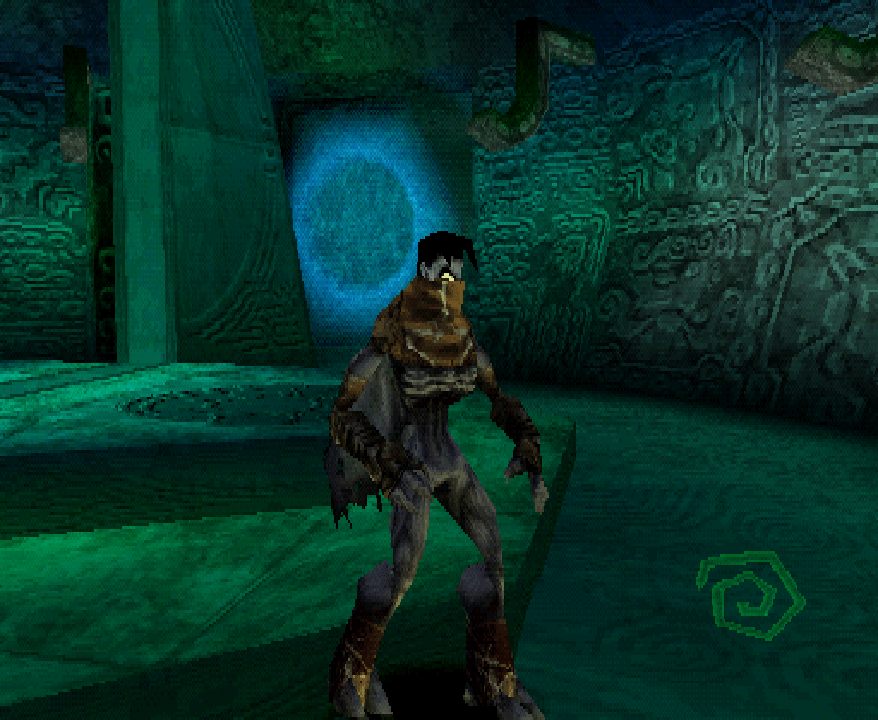
I am more familiar with the second game, Soul Reaver, which I did have on PS1 and was far more to my taste than Blood Omen seemed to have been at the time but I still never got anywhere near beating it… It’s not just more action-heavy this time around either but is proper 3D too, like all proper games were supposed to be by then, with you playing the ghost of an executed vampire out for another batch of vengeance, this time against Kain, his former master, who was responsible for this predicament. Once again, it’s had some excellent remapping treatment, with the correct controls fully integrated into the game itself, and they feel good and not too dated at all. And it’s all luxuriously gothic and very cinematic, in a Metal Gear Solid in and out of the action kind of way, with another strong and very dynamic soundtrack complementing some cool visuals and special effects. As much as it all holds up though, I’m really hoping to stick with it longer than I did first time around because I had zero patience for some of the stupid, near-impossible puzzles it threw at you, where I think I might even relish them now. Maybe! Really enjoying this cart regardless so far though – was a nice surprise when it was announced and I’m glad to see both games holding up so well on here because you can never be sure with PS1 at the best of times, and no amount of subtle scanlines or save states can change that!! They top off a good package though, and exactly where I’d like to see Evercade keep going in future. By the way, I will try and get to the new Toaplan and Data East collections on Evercade next time here – I had to leave something for people to get me for Christmas!
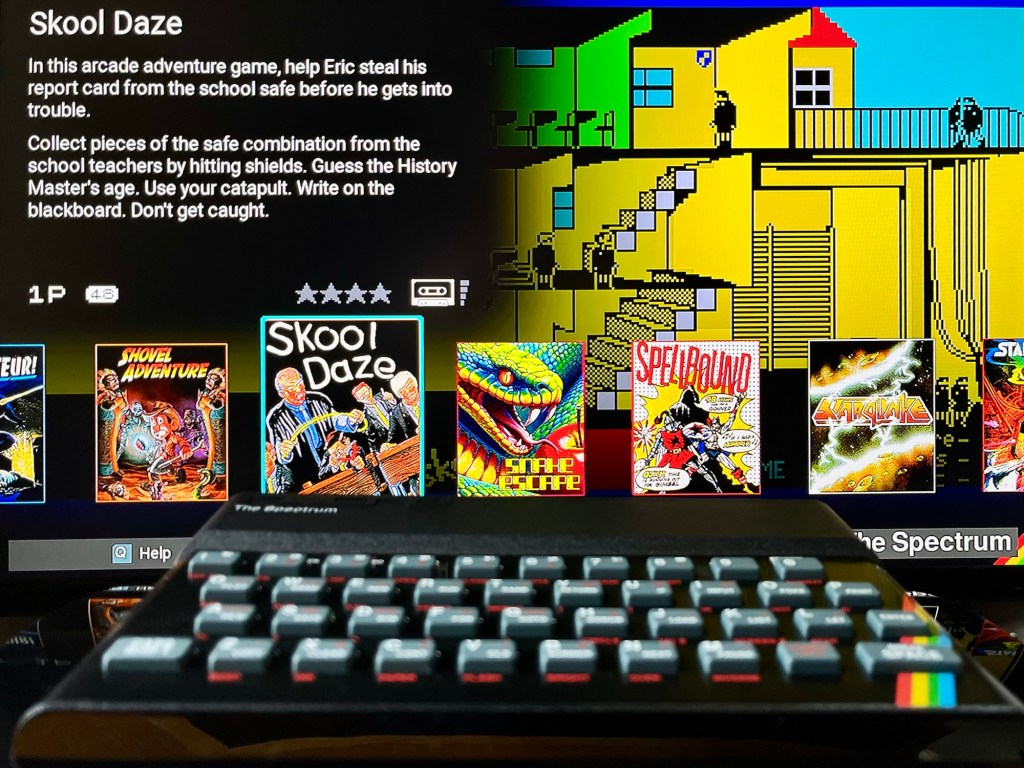
Right, the grand finale, and it’s The Spectrum! I can’t resist these things at the best of times but a full-size, modern take on the machine I loved was the fastest I’ve ever preordered anything ever… Fully working authentic rubber keyboard too, and I’m already flicking through all my old BASIC books and magazine type-ins to give that a proper workout! Likewise The Hobbit, for that authentic text adventure experience you don’t normally get with a Mini (although this isn’t really one) and that’s one of forty-eight games built-in, together with classics like Manic Miner, Match Day II, Head Over Heels, Target Renegade and Exolon (and I could keep going on and on with those!), as well as old essentials like Horace Goes Skiing and Firelord, some modern homebrews like Alien Girl, and a remastered version of Saboteur. By the way, it might look like a 48K Spectrum but it’s got full support for 128K and its AY sound chip, as well as ULAplus extended colour palettes too. Game selection and the user interface will be familiar if you’ve ever tried a C64 Mini, A500 Mini and so on from the same folk, with save states, display options and plenty of other under the hood settings if you need them. Of course, you can also add your own old favourites via a USB stick, and I have, and Feud and Renegade and Gauntlet and Shao-Lin‘s Road haven’t felt this fresh in forty years!
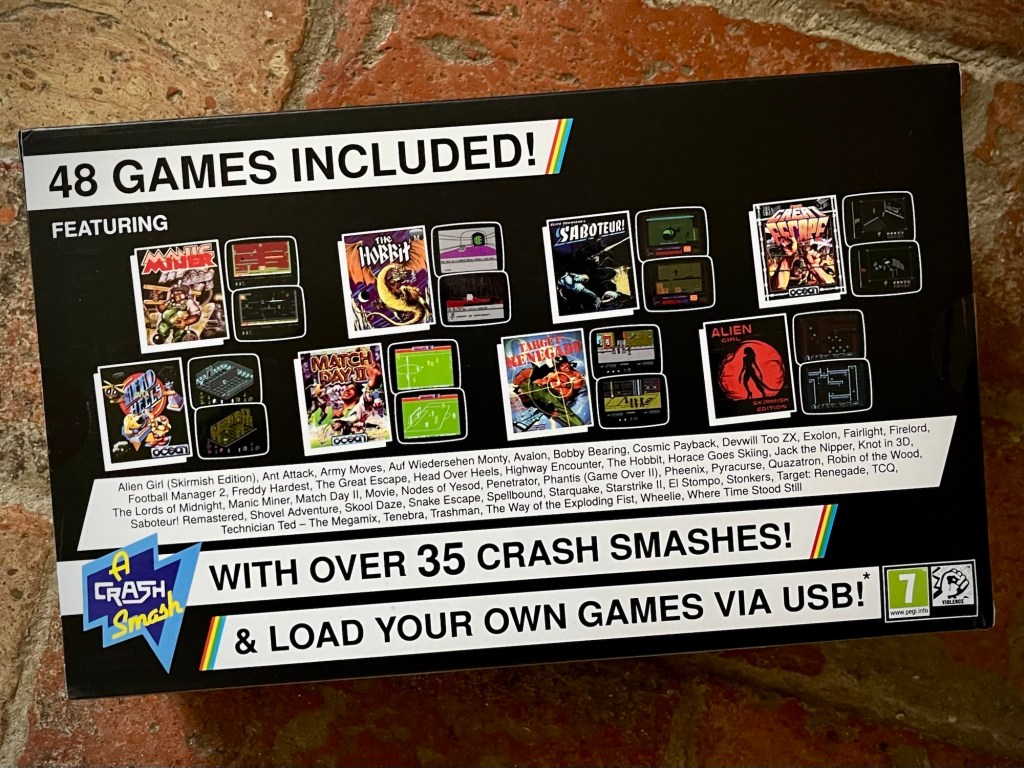
What else? There’s a nice new special mini-edition of Crash magazine covering all the games in the box, and you can easily hijack the family’s main TV via the 720p HDMI output, and there’s also support for your USB controller of choice too, although you won’t find one of those in the box. A bold decision but I reckon an authentic one – no one had a joystick on the original Spectrum, and a lot more than The Hobbit on here was built with keyboard control first in mind, but it’s easy to just plug one in; everything included has had extensive button mapping treatment too, and you can mess around with your own games if necessary. With a thousand ways to play every Spectrum game ever already, and my old Spectrum+2 plugged in mere inches away from me as I type, I definitely don’t need this, but it really is irresistible, and what a fantastic way of rediscovering a beloved old machine! Assuming you don’t brick it with a dodgy firmware update… I got an instant refund from Amazon and a lucky pickup from elsewhere the same day though, so not the end of the world, annoying as it was. And I reckon that’s as good a place as any to draw this disturbingly bumper recap to a close! I hope you’ve enjoyed reading about all this stuff I probably shouldn’t have been buying over the past few months though, and don’t forget to join me around the end of February for that next instalment… But as always, don’t tell my wife!
As always, I’ll never expect anything for what I do here but if you’d like to buy me a Ko-fi and help towards increasingly expensive hosting and storage costs then it will always be really appreciated! And be sure to follow me on Instagram, X (formerly Twitter) or Threads for my latest retro-gaming nonsense!
 Retro Arcadia